


Living with missing teeth can affect more than just your appearance. It can change how you chew, speak, and even how your bite feels over time. A dental bridge helps restore that balance, but many patients feel unsure because they do not know what happens during treatment.
Understanding each stage of the Dental Bridge Procedure makes everything feel more straightforward. When you know what to expect ahead of time, you can approach your visits with confidence, especially if you are planning care in Henderson.
What Happens During Each Stage of Treatment
Consultation and Evaluation
Your first visit focuses on understanding your needs. The dentist examines your teeth, checks the gap, and evaluates the strength of the surrounding teeth. Digital scans or impressions may be taken to map out how your bite comes together.
This step ensures that the bridge will fit comfortably and function properly.
Preparing the Supporting Teeth
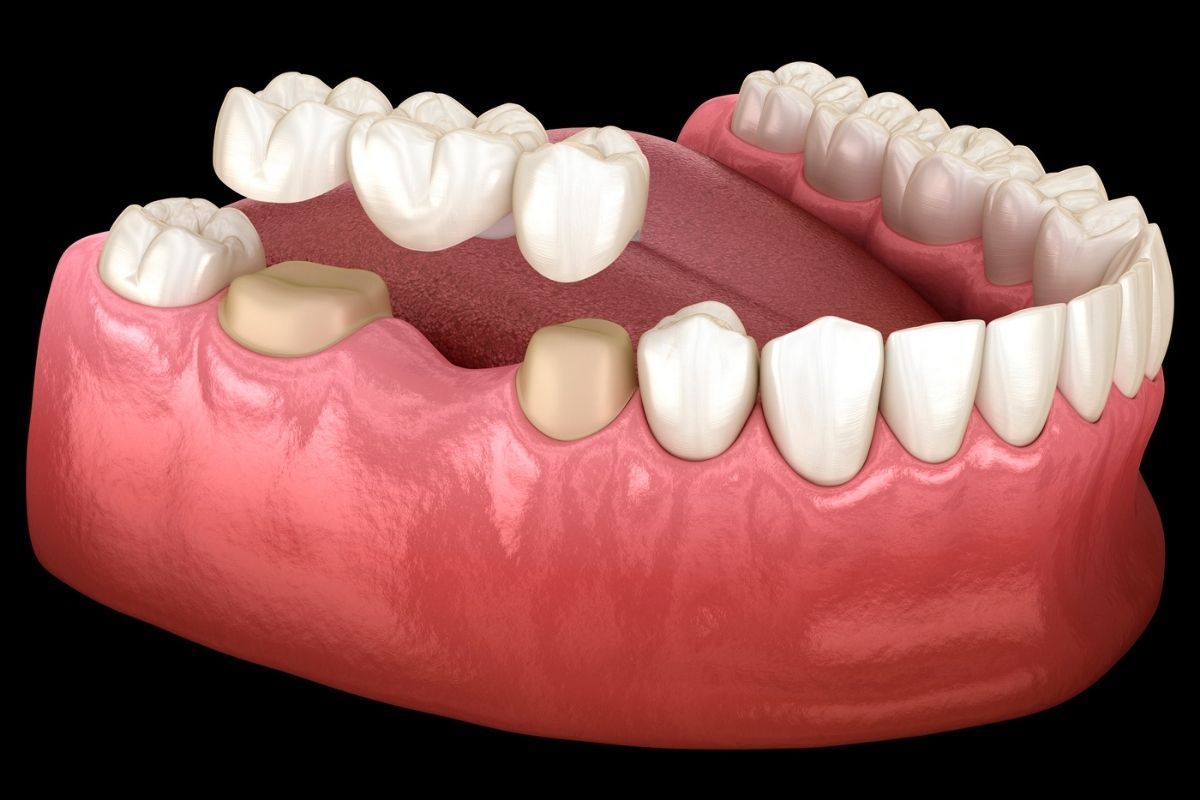
The teeth next to the gap play an important role. They are gently reshaped so that crowns can fit securely over them.
This step is done with precision to maintain strength while creating space for the final restoration.
Creating Accurate Impressions
Once the teeth are prepared, detailed impressions are taken. These impressions guide the creation of your custom bridge.
Shade selection also happens here, so the final restoration blends naturally with your existing teeth.
Temporary Bridge Placement
Before leaving the office, you will receive a temporary bridge. This helps:
- Protect the prepared teeth
- Maintain spacing
- Allow normal speaking and eating
You may need to avoid very hard or sticky foods during this time.
Final Placement and Fine Tuning
When your permanent bridge is ready, you return for placement. The dentist checks the fit and bite carefully. Small adjustments may be made to ensure comfort.
Once everything feels right, the bridge is secured in place, restoring both function and appearance.
Adjusting After Your New Bridge
It is normal to feel slight sensitivity or pressure for a few days after placement. Your bite may feel different at first, but this usually improves quickly as your mouth adapts.
Starting with softer foods can make the transition easier. Within a short time, most patients return to their usual routine without difficulty.
Helpful Tips for a Smooth Experience
- Be mindful during the temporary phase
Stick to softer foods to avoid dislodging it - Keep the area clean every day
Pay extra attention around the bridge - Use flossing tools designed for bridges
This helps clean underneath effectively - Do not ignore discomfort
Small adjustments can improve comfort quickly - Stay consistent with dental visits
Regular checkups help maintain long-term results
Why Each Step Matters
Every stage plays a role in how your bridge looks and feels. Careful planning, precise preparation, and proper placement all work together to create a result that feels natural and stable.
When done correctly, a bridge does more than fill a gap. It supports your bite, keeps nearby teeth from shifting, and improves daily comfort.
Take the Next Step Toward a Complete Smile
Taking action feels easier when you know what lies ahead.
• Care designed around your comfort
• Attention to detail at every stage
• Support from start to finish
If you are ready to restore your smile, connect with Green Valley Smile Care today. Visit our dental office in Henderson and take the next step toward a healthier, more confident smile.
FAQs :
How many visits are needed?
Most treatments take two to three visits over a few weeks.
Will the preparation hurt?
The area is numbed, so you stay comfortable during the visit.
What if the bridge feels uneven?
Minor adjustments are common and can be made easily.
Can I eat normally afterward?
Yes, once you adjust. Starting soft helps at first.
How long does a bridge last?
With proper care, it can last for many years.