


You made it through the procedure. Now you’re home, your mouth is sore, and your brain is doing the thing — spiraling.
Is this normal? Did something go wrong? Should I call the dentist?
Here’s the honest answer: yes, some pain after a root canal is completely normal. Your body just went through something significant. But there’s a difference between expected healing discomfort and a warning sign you should not ignore.
This guide breaks it all down so you know exactly what to watch for — and when to relax.
Why Does Your Tooth Hurt After a Root Canal?
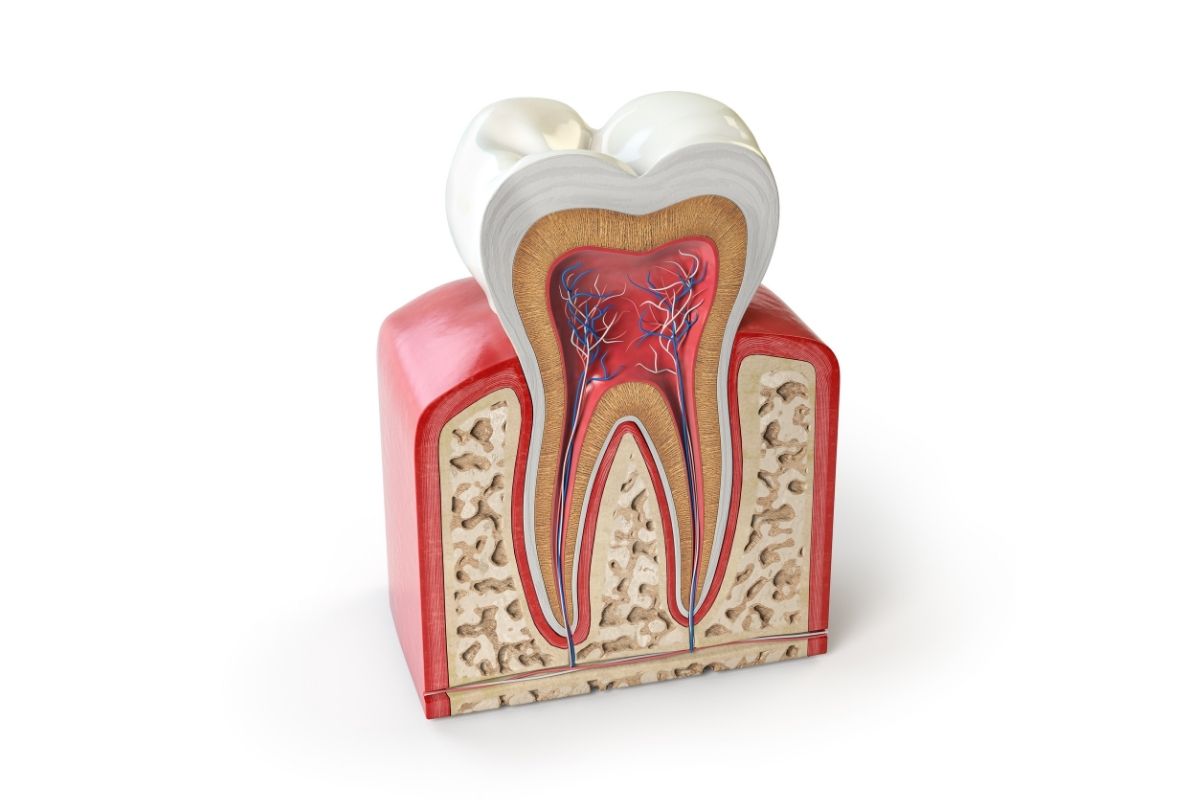
During a root canal procedure, your dentist cleans out the infected pulp — the soft tissue inside the tooth containing nerves and blood vessels. The pulp is gone, but the tooth’s surrounding ligaments, tissues, and bone are still very much alive.
Those tissues just got worked on. They respond the way any tissue does after a procedure: with inflammation. And inflammation brings soreness.
Think of it like a deep cut on your finger. The wound is cleaned and closed, but the area still throbs for a few days. That’s not a complication — that’s healing.
What Does Normal Post-Root Canal Pain Actually Feel Like?
Most patients describe the discomfort as:
- A dull ache or tenderness around the treated tooth
- Sensitivity when biting down or chewing
- Mild throbbing that gradually improves each day
- Jaw soreness from keeping your mouth open during the appointment
This is expected and usually peaks within 24 to 48 hours, then steadily fades.
Over-the-counter medications like ibuprofen (Advil) or acetaminophen (Tylenol) handle it well for most people. Your dentist may also prescribe a short course of prescription-strength pain relief if the case is more complex.
Normal Discomfort vs. Warning Signs: A Quick Reference
Not all post-procedure pain is created equal. Here’s how to tell the difference at a glance:
| Normal — Part of Healing | Warning Sign — Call Your Dentist |
| Mild to moderate soreness (1–5 days) | Severe pain that gets worse after day 3–4 |
| Tenderness when chewing | Swelling in the face, jaw, or gums |
| Slight throbbing that improves daily | Fever developing after the procedure |
| Jaw ache from the appointment itself | Pus, discharge, or a bad taste near the tooth |
| Sensitivity to pressure | Temporary crown or filling feels loose or falls out |
These warning signs don’t always mean something went seriously wrong. But your dentist needs to evaluate them promptly to rule out reinfection, an incomplete seal, or a cracked root.
How Long Does the Pain Last?
For most people, noticeable discomfort resolves within two to five days. Some patients feel mild sensitivity for a few weeks, especially before they receive their permanent crown.
Once your tooth is fully restored, sensitivity typically fades significantly. Since the nerve is no longer inside the tooth, extreme hot or cold sensitivity usually disappears. What can linger is pressure sensitivity through the periodontal ligament — the connective tissue anchoring your tooth to the jawbone.
Understanding what Root Canal Treatment involves helps set realistic expectations, so patients don’t mistake normal ligament sensitivity for a failed procedure.
How to Speed Up Your Recovery
A few smart habits make a real difference in how fast you bounce back:
- Avoid chewing on the treated side until your permanent crown is placed
- Skip hard, crunchy, or sticky foods for at least a few days
- Take pain medication as directed — don’t wait until the pain peaks
- Stick to your oral hygiene routine, but brush gently near the treated area
- Attend your follow-up appointment even if you feel completely fine
Skipping the follow-up is one of the most common mistakes patients make. That visit confirms the area is healing correctly and allows your dentist to place the permanent restoration before the temporary one fails.
Does Pain Mean the Root Canal Failed?
This is the fear behind every aching tooth — and it’s usually unfounded.
Post-procedure soreness does not mean the treatment failed. Failure looks different: it typically involves pain that returns weeks or months later after a pain-free period, or swelling that won’t resolve.
Immediate post-procedure discomfort is simply your tissues adjusting. Give it a few days and track whether it’s improving or worsening. Improving means healing. Worsening means a call to your dentist.
The Bottom Line
Some pain after a root canal is not a red flag — it’s your body doing exactly what it’s supposed to do.
Mild soreness, pressure sensitivity, and tenderness in the first few days are all part of a normal healing process. What matters is the direction that discomfort is moving. If it’s easing up, you’re on track. If it’s intensifying or coming with swelling, fever, or discharge, pick up the phone.
You don’t have to guess — and you shouldn’t have to.
Still Not Sure If Your Pain Is Normal? Let’s Find Out.
Post-procedure discomfort is usually part of healing — but you should never have to guess. Visit our dental clinic in Henderson and let our team take a look. Whether it’s a quick check-in or a full follow-up, we’ll give you a clear answer and a clear plan.
Book your appointment at greenvalleysmilecare.com — Green Valley Smile Care is here when you need us.
Frequently Asked Questions :
How long does pain last after a root canal?
Most discomfort clears up within two to five days. Mild sensitivity can persist for a few weeks until the permanent crown is placed and the area fully settles.
Can I go back to work the next day?
Most patients return to normal activities the same day or the following morning. If your work is physically demanding or involves a lot of talking, give yourself one day to rest.
Why does my tooth feel high when I bite?
The temporary filling can sit slightly higher than your natural bite. If this doesn’t resolve within a day or two, contact your dentist to have it adjusted — this is a quick and simple fix.
What if my pain comes back weeks after the procedure?
Late-returning pain after a pain-free period can indicate reinfection, a missed canal, or a cracked root. Do not wait on this — contact your dentist right away for an evaluation.
Do I really need a crown after a root canal?
In most cases, yes. A root canal-treated tooth loses moisture over time and becomes more brittle. A crown protects it from cracking under the pressure of normal chewing — which could cost you the tooth entirely.
Is it okay to take ibuprofen for the pain?
Yes, ibuprofen is often the first recommendation because it reduces both pain and inflammation. Always follow the dosage instructions on the label, and check with your dentist if you have any conditions that affect what you can take.