
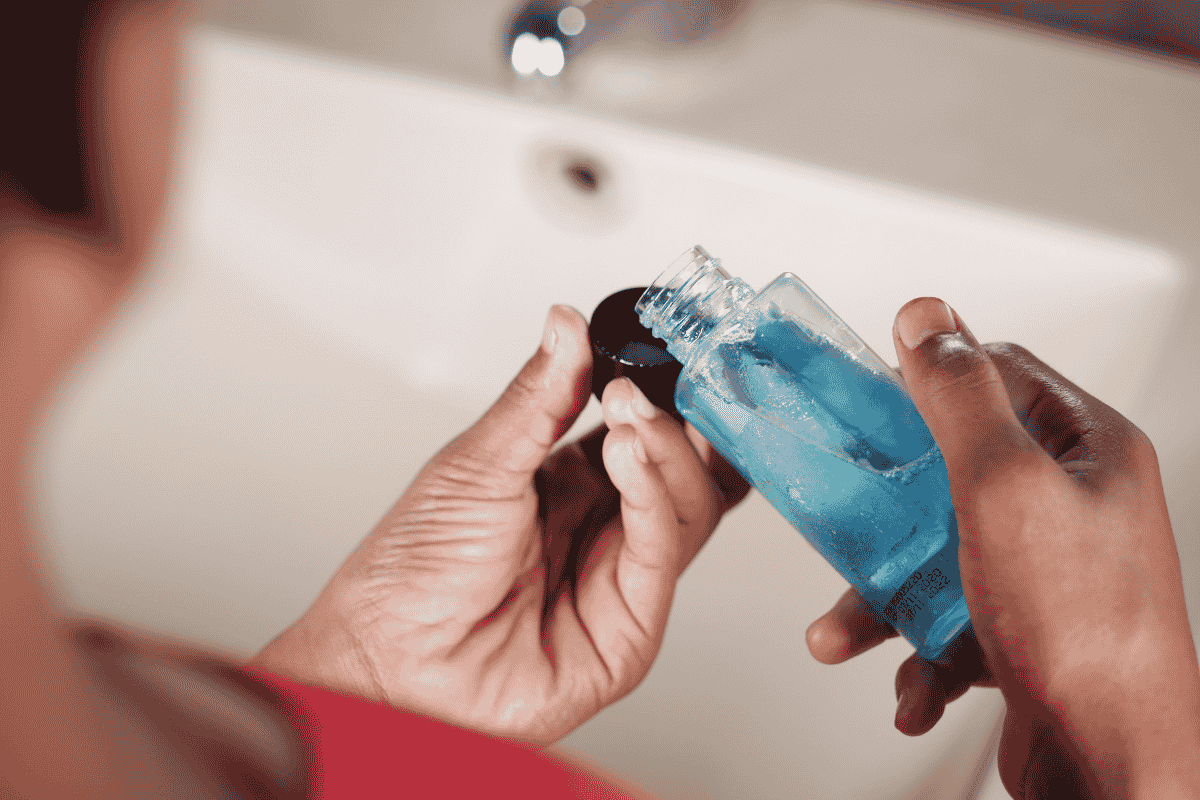
Choosing a mouthwash sounds simple until you stand in front of a store shelf packed with dozens of options. Some promise fresher breath, while others focus on gum care, enamel protection, or relief from sensitivity. The best choice depends on your specific dental concerns, not just the flavor or branding on the bottle.
A good starting point is identifying your primary goal. Are you trying to prevent cavities? Improve gum health? Manage dry mouth? Once you understand what your smile needs, it becomes much easier to pick the right rinse.
It is also smart to choose a therapeutic formula that carries the ADA Seal of Acceptance. This seal means the product has been independently tested for safety and effectiveness.
Most importantly, remember that mouthwash supports your routine but does not replace brushing and flossing.
Cavity Prevention
What to Look For
Fluoride mouthwash.
Best For
People who are more likely to develop cavities or those who do not get enough fluoride exposure through drinking water.
How It Works
Fluoride helps strengthen enamel and repairs weak areas before decay has the chance to form. Using a fluoride rinse regularly may help reduce the risk of future cavities while keeping teeth stronger over time.
Gum Health and Plaque Control
What to Look For
Antibacterial or antiseptic rinses.
Best For
People dealing with bleeding gums, plaque buildup, or early signs of gingivitis.
How It Works
These mouthwashes target bacteria that collect near the gum line. Ingredients like cetylpyridinium chloride or chlorhexidine help reduce bacterial growth and support healthier gums. They are often recommended for people trying to improve their daily oral hygiene routine and lower plaque accumulation.
Dry Mouth or Tooth Sensitivity
What to Look For
Alcohol free formulas designed for sensitive mouths.
Best For
People who experience dryness, irritation, or a burning sensation after using certain rinses.
How It Works
Alcohol based products can dry out oral tissues and make sensitivity worse. Alcohol free rinses provide a gentler experience while helping the mouth stay more comfortable and hydrated throughout the day.
Bad Breath Control
What to Look For
Breath freshening rinses.
Best For
People who want to manage temporary bad breath caused by food, coffee, or morning dryness.
How It Works
These products are usually cosmetic rather than therapeutic. They help neutralize odors and leave a cleaner taste in the mouth, often with mint or cinnamon flavors. While they freshen breath quickly, they may not treat the underlying cause of persistent bad breath.
Important Things to Keep in Mind
Check the Label Carefully
Not every mouthwash offers the same benefits. Reading the label helps you understand whether the rinse is cosmetic or therapeutic. Products with the ADA Seal of Acceptance provide added confidence because they have gone through scientific review for safety and performance.
Timing Matters
Most rinses work best when used after brushing and flossing. If you use a fluoride mouthwash, avoid eating or drinking for at least 30 minutes afterward so the fluoride has time to absorb properly.
Strong Burning Does Not Mean Better Cleaning
Some people assume a powerful burning sensation means the rinse is working harder. In reality, overly harsh formulas can irritate sensitive gums and dry out the mouth. A comfortable rinse that supports your dental needs is usually the better long-term choice.
Make Your Daily Routine Work Smarter
The right mouthwash should fit naturally into your routine while helping you address your personal dental concerns. Whether you need cavity protection, fresher breath, or relief from sensitivity, choosing the correct formula can make your daily care more effective.
If you are unsure which rinse is right for your smile, Green Valley Smile Care can help you make a confident decision. Visit our Henderson dental office for personalized recommendations and practical guidance tailored to your needs.
Frequently Asked Questions :
Should mouthwash be used every day?
Most mouthwashes are safe for daily use when used as directed on the label.
Can mouthwash replace brushing?
No. Mouthwash works as an extra step but does not replace brushing or flossing.
Is alcohol free mouthwash better?
Alcohol free rinses are often a better choice for people with dry mouth, sensitive gums, or irritation.
How long should I wait to eat after using fluoride mouthwash?
It is best to wait about 30 minutes before eating or drinking.