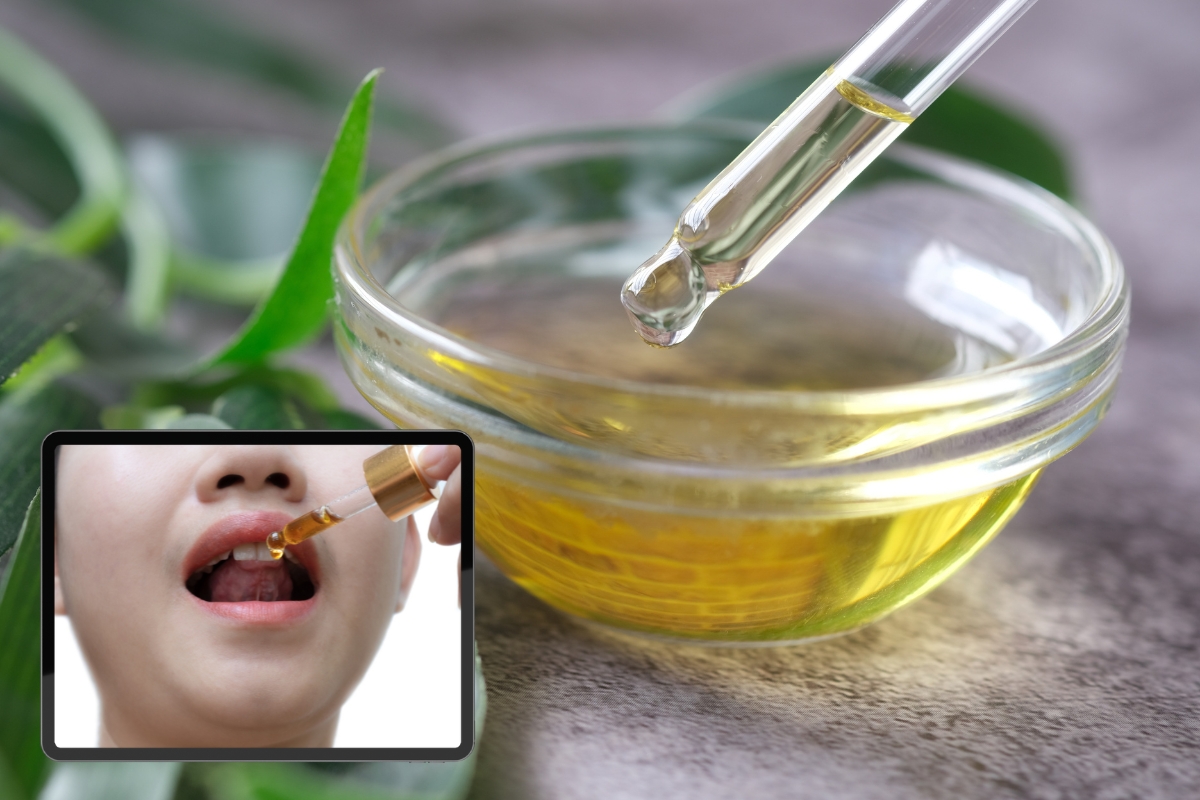



Cancer treatments, like chemotherapy and radiation, can take a toll on your mouth. I know it can make eating, drinking, and even talking uncomfortable. We understand these challenges at Green Valley Smile Care and want you to know you’re not alone. I’m here to share some simple ways to help ease mouth ulcers and combat dry mouth so you can feel more comfortable between visits.
Chemo Mouth Blues? Easy Relief Tips Inside
Why Mouth Ulcers and Dry Mouth Happen During Chemotherapy
Chemotherapy, a vital tool in your fight against cancer, unfortunately comes with some side effects. It targets fast-growing cells, including some healthy cells in your mouth, leading to painful mouth sores, or ulcers. Dry mouth, or xerostomia, is another common issue, occurring when your saliva production drops, leaving your mouth parched and sensitive. It’s important to know that you’re not alone in these challenges, as over half of patients receiving chemotherapy experience these oral complications. This understanding underscores the importance of paying attention to oral care during your treatment.
If you’re noticing these symptoms, scheduling a visit with a dentist in Henderson can help you get a personalized care plan.
Gentle Ways to Soothe Mouth Ulcers at Home
Mouth sores can be painful, but you don’t always need medication for relief. Here are some gentle, at-home options I often suggest:
- Baking Soda Paste: Mix a little baking soda with water and apply it to the sore. It helps neutralize acids and reduce irritation.
- Saltwater Rinse: To calm inflammation, swish a warm saltwater solution (½ teaspoon salt in a cup of water) several times a day.
- Honey Application: Dab some raw honey on the ulcer. Its natural antibacterial properties help soothe and support healing.
- Coconut Oil Swish: Swishing coconut oil in your mouth can reduce inflammation and moisturize sore areas.
These remedies are safe to use alongside your medical treatments, but it’s always best to check with your healthcare team if your sores are persistent. Your healthcare team is there to support you and ensure that you’re receiving the best care possible, so don’t hesitate to reach out if you have any concerns.
Can ice really help during chemo?
Yes! Sucking on ice chips while receiving chemotherapy can help reduce the chance of ulcers forming. The cold constricts blood vessels in the mouth, which may lessen irritation. It’s a simple trick, but ask your oncology team before trying it during treatment.
Prescribed Solutions: Magic Mouthwash and More
Sometimes, home remedies aren’t enough, and that’s okay. Your doctor might prescribe “magic mouthwash,” a special medicated rinse that coats sores, eases pain, and prevents infection. This rinse usually contains a combination of medications, such as an antibiotic, an antifungal, and a corticosteroid. Combined with topical gels or antimicrobial rinses, these treatments can make a noticeable difference in comfort.
Safe Oral Hygiene Tips During Chemotherapy
Keeping your mouth clean is essential, even when it’s sore. I recommend:
- Use a soft-bristle toothbrush to avoid aggravating sensitive tissue.
- Brush gently after meals and rinse with mild saltwater or baking soda solution.
- Avoiding alcohol-based mouthwashes—they can worsen dryness.
These simple steps can help prevent infections and keep your mouth healthy throughout treatment.
Managing Pain and Discomfort
Pain from mouth ulcers can be distracting, but there are ways to make life easier:
- Over-the-counter pain relievers can help, but always follow your doctor’s guidance.
- Topical gels or protective coatings can shield ulcers from irritation.
- Steer clear of spicy, acidic, or rough foods that can worsen sores.
A little planning can make a big difference in your daily comfort.
Eating and Drinking Tips
Eating with a dry or sore mouth can be tricky, but you can still enjoy meals:
- Choose soft, moist foods like yogurt, smoothies, and soups.
- Use sauces or gravies to make dry foods easier to swallow.
- Drink water frequently in small sips to keep your mouth hydrated.
- Chew sugar-free gum or suck on sugar-free candies to stimulate saliva production.
Staying nourished is key, and these tips make it much easier to manage mealtimes.
When to See a Dentist
It’s important to know when professional care is needed. You should see a dentist if:
- Mouth ulcers or dry mouth last longer than two weeks.
- Pain makes eating or drinking very difficult.
- You notice swelling, pus, or fever, which could indicate infection.
At Green Valley Smile Care, your dentist is ready to provide personalized guidance, support, and treatment to help you through these oral side effects. Dentists play a crucial role in managing oral health during cancer treatment, so don’t hesitate to seek their help.