
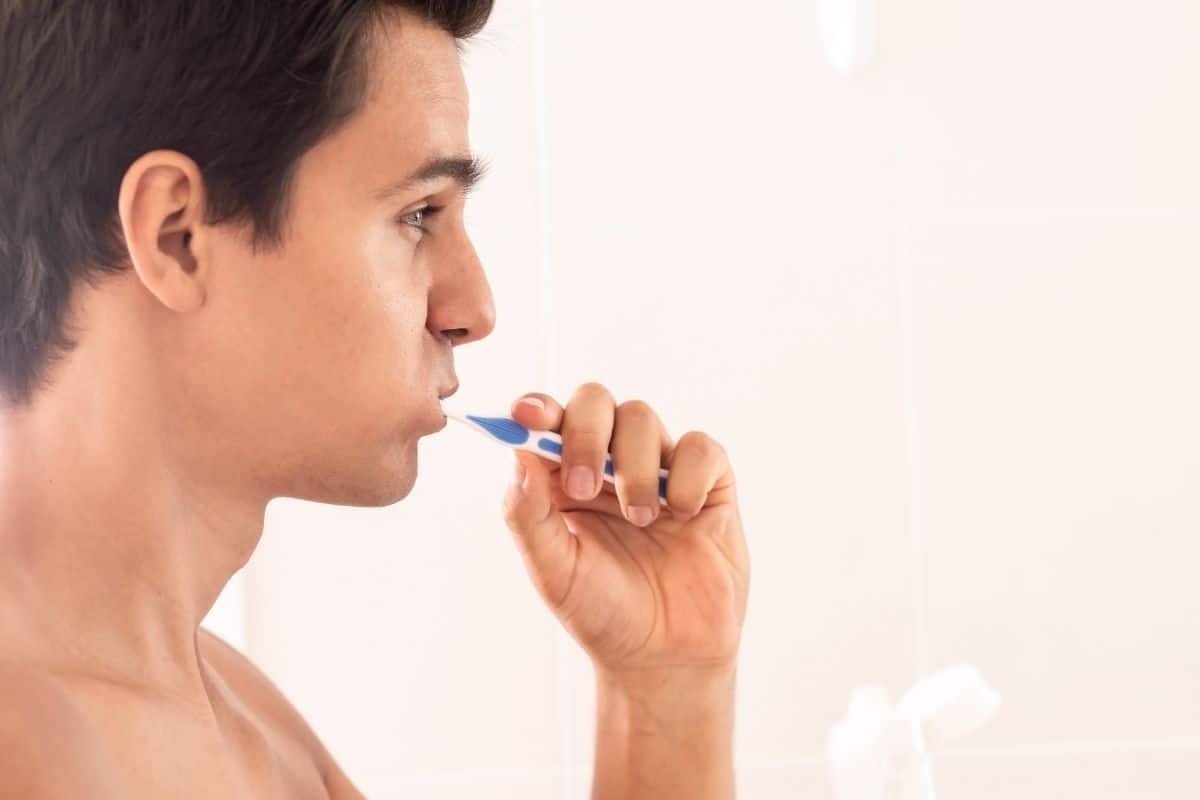
Yes. Brushing your teeth too often or too hard wears down enamel and pushes gum tissue away from the tooth root. Brushing is supposed to protect your smile, so this often surprises people. But scrubbing with too much force or too much frequency damages the very structures it’s meant to protect. Knowing where healthy brushing ends and harmful brushing begins can save you years of sensitivity, gum recession, and dental work you didn’t need to deal with.
How Overbrushing Actually Hurts Your Mouth
Most people assume that more brushing means cleaner teeth. It doesn’t work that way.
Your enamel is strong, but it isn’t invincible against constant, aggressive scrubbing. Once you brush past a certain point, especially with a hard-bristled brush or heavy hand pressure, you start thinning that protective layer instead of simply clearing away plaque.
Your gums take a hit too. Gum tissue is soft, and repeated abrasive brushing pushes it away from the tooth root. Over time, this leads to gum recession, where the root of the tooth becomes exposed. Exposed roots have no enamel covering them, so they’re far more vulnerable to decay, sensitivity, and even small fractures.
Signs You Might Be Brushing Too Hard
Your mouth usually sends warning signals long before the damage turns serious. Here’s what to watch for.
- Increased tooth sensitivity. Cold drinks, ice cream, or even a gust of cold air causing you to wince often points to worn enamel or exposed roots.
- A receding gum line. Teeth that look longer than they used to, or a small notch forming near the gum line, usually reflects years of heavy-handed brushing.
- Notches at the gum line. These grooves, called abrasion lesions, form where the brush repeatedly scrapes the same spot with too much pressure.
- Frayed toothbrush bristles. Bristles that splay out and flatten within a few weeks of use are a strong sign you’re brushing harder than needed.
- Gums that bleed often. Occasional bleeding after flossing is normal, but gums that bleed regularly from brushing may be inflamed or thinning from friction.
How Much Brushing Is Actually Enough
Dentists generally recommend two sessions a day, about two minutes each. That’s the full amount your teeth need.
Brushing five or six times a day, or scrubbing for five minutes at a stretch, doesn’t make your teeth any cleaner. It just gives plaque less time to build up between sessions while giving your enamel more exposure to friction.
Technique matters just as much as frequency. A soft-bristled brush, gentle circular motions, and light pressure remove plaque effectively without grinding away tooth structure. If you’re pressing hard enough to bend the bristles flat, that’s your cue to ease off.
Better Habits That Protect Your Smile
A few small changes go a long way toward protecting your enamel and gums.
Switch to a soft brush. Soft bristles flex around the curves of your teeth and gums, lifting plaque without scraping enamel. If you use an electric toothbrush, look for one with a built-in pressure sensor that alerts you when you’re pressing too firmly.
Mind your timing. Brushing right after eating something acidic, like citrus fruit or soda, can be harmful because acid softens enamel temporarily. Waiting about thirty minutes gives your saliva a chance to neutralize the acid and let the enamel re-harden first.
Don’t skip flossing. Cleaning between teeth once a day removes debris that a toothbrush can’t reach, so you’re less tempted to compensate with extra scrubbing. Pair it with a fluoride toothpaste for full coverage.
When to See a Dentist
Talk to a dentist if you notice any of the following:
- Sensitivity that’s gotten worse over time
- Visible notches near the gum line
- Gums that seem to be pulling away from your teeth
Enamel that has worn away doesn’t grow back, and gum recession tends to keep progressing if the underlying habit isn’t corrected. A dentist can assess how much wear has occurred, recommend treatment if needed, and show you the brushing technique that fits your mouth best.
Ready for a Checkup That Actually Protects Your Smile?
If you’re unsure whether your brushing habits are helping or hurting your teeth, don’t guess. Visit our dental clinic and let our team take a proper look at your enamel and gum health. Green Valley Smile Care in Henderson is here to guide you toward habits that keep your smile strong for years to come. Schedule your visit and give your teeth the care they actually need.
Frequently Asked Questions :
1. Can brushing too hard cause gum recession?
Yes. Brushing with excessive pressure, especially with a hard-bristled brush, gradually pushes gum tissue away from the tooth and exposes the root over time.
2. Is it bad to brush more than twice a day?
Brushing beyond two or three times daily generally offers no extra protection and raises the risk of enamel wear, particularly when a hard brush or firm pressure is involved.
3. How do I know if my toothbrush is too hard?
Check the packaging for “soft” bristles, and pay attention to how fast the bristles fray. Bristles that flatten within a few weeks usually mean too much pressure is being applied.
4. Can worn enamel be repaired?
Enamel doesn’t regenerate once it’s gone. Treatments like fluoride application or bonding can manage sensitivity and protect the tooth, but the enamel itself won’t grow back naturally.
5. What’s the correct amount of pressure for brushing?
Use the same pressure you’d use to clean a piece of ripe fruit without bruising it. If the bristles are bending significantly, you’re pressing too hard.