

If your tooth is still aching days or even weeks after a root canal, the most likely explanation is mild inflammation in the tissue around the tooth that hasn’t fully settled down yet. This kind of soreness is common and usually fades within a few days to about a week. But if the pain is sharp, throbbing, or getting worse instead of better, it can point to something that needs a dentist’s attention, such as a missed canal, a crack in the tooth, or an infection that hasn’t cleared. Here’s how to tell the difference and what to do next.
Is It Normal to Feel Pain After a Root Canal?
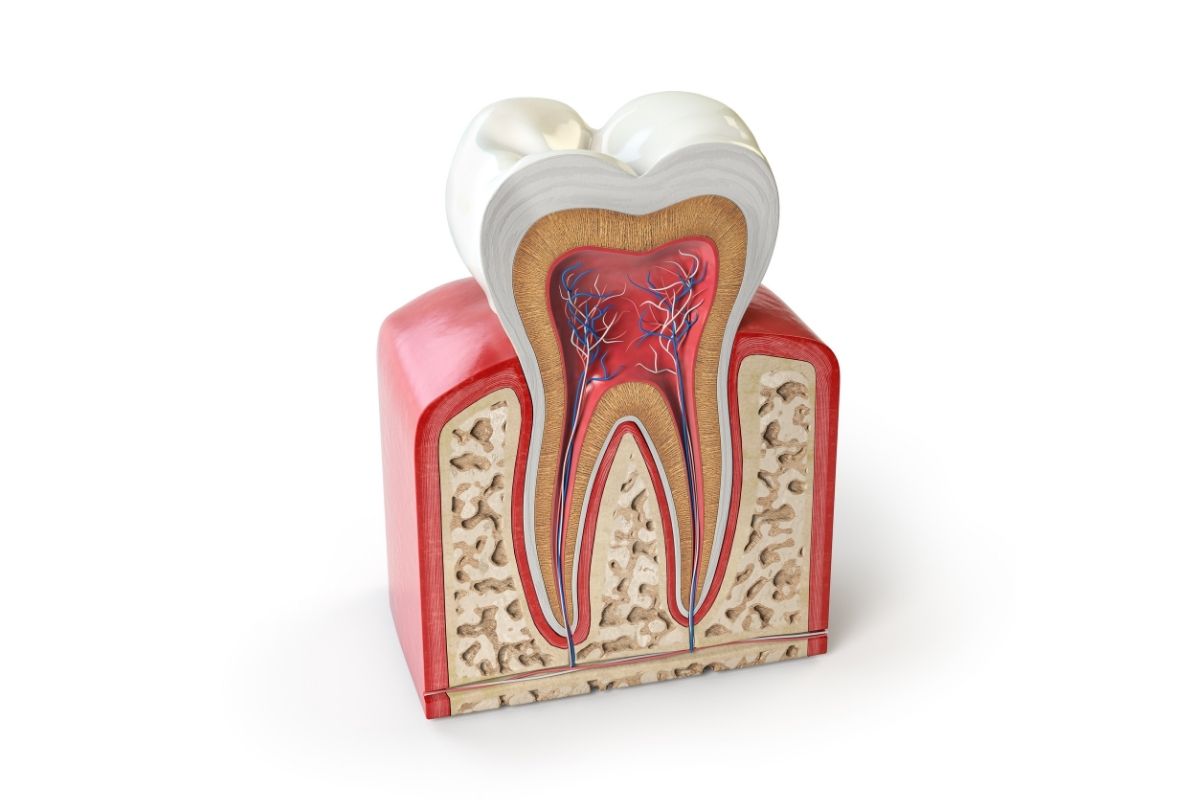
Yes, to a point. A root canal removes infected or inflamed pulp from inside the tooth, but the tissue surrounding the root, called the periodontal ligament, has just been through a procedure and needs time to calm down. Think of it like a bruise that sits beneath the surface. You might feel tenderness when you bite down, a dull ache, or mild sensitivity to pressure for several days.
Most patients notice this discomfort easing steadily, day by day. A short window of soreness is expected. Ongoing or worsening pain is not. If you’re past the one- to two-week mark and things haven’t improved, or they’ve gotten worse, that’s your signal to check in with your dentist rather than wait it out.
Common Reasons Your Tooth Still Hurts
There isn’t just one explanation for lingering pain after a root canal. Here are the reasons dentists see most often.
Residual Inflammation
This is the most frequent and least concerning cause. The area around the tooth’s root was disturbed during treatment, and inflamed tissue takes time to heal. It typically responds well to rest and over-the-counter pain relief.
A Missed or Hidden Canal
Teeth, especially molars, can have extra canals that are narrow, curved, or hard to detect. If one is left untreated, bacteria can remain inside the tooth and continue causing pain. This is one of the more common reasons a root canal needs to be redone.
A Cracked Tooth
Sometimes the pain that led to the root canal in the first place was caused by a crack that extends below the gumline. A crack like this can be difficult to spot on an X-ray and may continue to cause discomfort even after the infected pulp is removed, particularly when chewing.
Reinfection
Bacteria can occasionally re-enter the tooth if the temporary or permanent filling doesn’t create a tight seal, or if the crown placed afterward isn’t fitted correctly. This can lead to a new infection weeks or months down the road.
A High Bite
If the filling or crown placed after treatment sits even slightly too high, your tooth will absorb more pressure than it should every time you bite down. This creates a dull, persistent ache that a quick adjustment can usually fix.
Sinus Pressure
Upper back teeth sit close to the sinus cavities. If you have a cold, allergies, or sinus congestion, that pressure can be mistaken for tooth pain, especially in the upper molars and premolars.
If you’re preparing for treatment and want to understand what happens step by step, reading about root canal therapy beforehand can make the whole process feel far less intimidating.
Red Flags: When Tooth Pain After a Root Canal Means Trouble
Most soreness resolves on its own, but certain symptoms shouldn’t be brushed off. Call your dentist promptly if you notice:
- Pain that intensifies rather than improves after the first few days
- Swelling in your face, gums, or jaw
- A bad taste or persistent odor near the treated tooth
- A fever along with tooth pain
- Pain that wakes you up at night or worsens when lying down
- Visible pus or a bump on the gum near the tooth (this is called a fistula)
None of these should be ignored. They’re the body’s way of saying the infection hasn’t fully resolved.
How to Manage Discomfort at Home
While you’re in the normal healing window, a few simple steps can make a real difference.
- Take pain relievers as directed. Over-the-counter options like ibuprofen or acetaminophen usually handle the soreness well.
- Avoid chewing on that side of your mouth for a few days, especially with hard or crunchy foods.
- Apply a cold compress to the outside of your cheek in short intervals if there’s any swelling.
- Keep up with gentle brushing and flossing. Skipping oral hygiene near the healing tooth can slow things down, not speed them up.
- Stick to soft foods for the first day or two after treatment.
These steps are meant for mild, expected discomfort, not for pain that’s sharp, spreading, or paired with swelling.
When to Call Your Dentist
Reach out if pain lasts longer than a week without improvement, returns after initially going away, or is accompanied by any of the warning signs above. Catching a problem early, whether it’s a missed canal, a bite that needs adjusting, or a new infection, almost always means a simpler fix than waiting until it becomes an emergency.
If you’re in Henderson and dealing with lingering pain after a root canal, getting it checked out sooner rather than later gives your tooth the best shot at healing properly and staying in your mouth for the long run.
Still Have Questions? Let’s Put Your Mind at Ease
Tooth pain that lingers longer than it should isn’t something to push through on your own. Visit our dental clinic in Henderson and let our team take a look, figure out exactly what’s going on, and get you back to chewing, smiling, and living without that nagging ache in the back of your mind. Reach out to Green Valley Smile Care today and get the answers your tooth has been waiting for.