

If you have a missing tooth, you’ve probably heard the term ‘dental bridge’ mentioned before. But what exactly does that mean for you? Patients in Henderson ask Dr. Brian Sanford these same questions every week. Understanding the answers can help you feel confident before your first consultation. These are the 5 questions about dental bridges your dentist wishes you’d ask in Henderson — and the honest answers you deserve.
Question 1: What Exactly Is a Dental Bridge and How Does It Work?
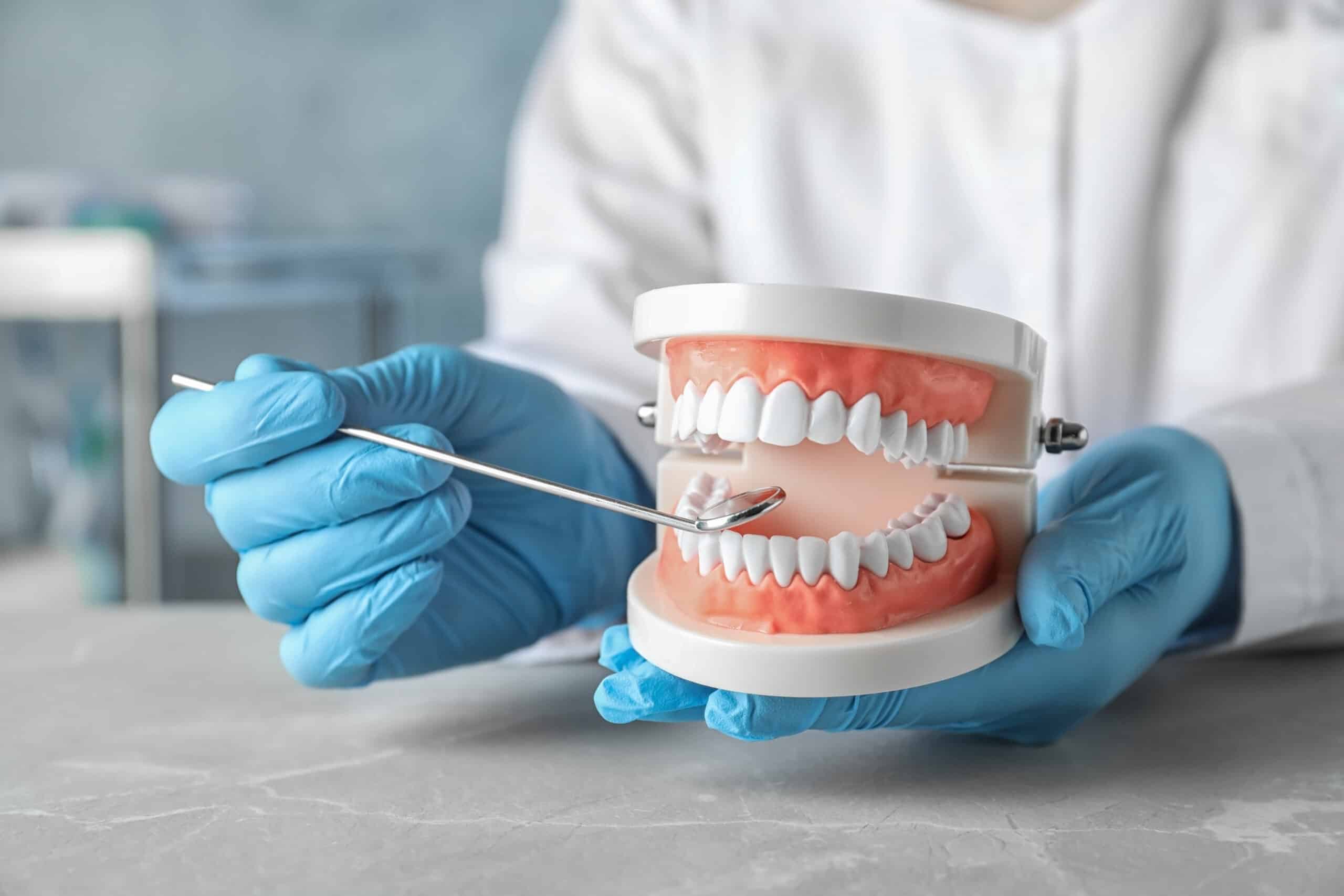
A dental bridge is a fixed restoration that replaces one or more missing teeth. It uses the teeth on either side of the gap as anchors. These anchor teeth are called abutment teeth. A false tooth — called a pontic — sits in the middle and fills the space.
The bridge is cemented permanently into place. Unlike removable dentures, you don’t take it out at night. It functions much like your natural teeth for eating and speaking. Most patients adapt to their bridge within a few days.
Bridges are a well-established solution within Restorative Dentistry Henderson patients have relied on for decades. Dr. Sanford customizes every bridge to match the color and shape of your surrounding teeth. The goal is a result that looks completely natural. You should feel proud to smile after treatment.
Question 2: Am I a Good Candidate for a Dental Bridge in Henderson?
Most patients with one or more missing teeth are candidates for a bridge. However, a few important factors affect eligibility. The abutment teeth on either side must be healthy and strong enough to support the restoration. Dr. Sanford will examine these teeth carefully during your consultation.
Good candidates typically meet these criteria:
- They have one to three consecutive missing teeth
- The neighboring teeth are structurally sound
- Their gum tissue is healthy and free of active infection
- They are committed to consistent oral hygiene habits
- They do not have uncontrolled gum disease or significant bone loss
Patients with active periodontal disease will need that treated first. Placing a bridge on compromised gums would put the whole restoration at risk. Dr. Sanford will always address underlying issues before moving forward. Your long-term health is the priority.
Question 3: What Does the Dental Bridge Process Actually Look Like?
Many patients feel anxious simply because they don’t know what to expect. Knowing the steps ahead of time makes the process far less stressful. Here is what a typical dental bridge treatment looks like at Green Valley Smile Care:
- Consultation and X-rays: Dr. Sanford evaluates your teeth, gums, and bone structure.
- Abutment preparation: The anchor teeth are gently reshaped to accept the crowns that will hold the bridge.
- Impressions: Detailed impressions or digital scans are taken and sent to the dental lab.
- Temporary bridge: A temporary restoration protects your teeth while your permanent bridge is crafted.
- Final placement: Your permanent bridge is checked for fit, bite, and appearance before being cemented.
Most patients complete the process in two appointments over two to three weeks. The first visit involves preparation and impressions. The second visit is for placement of the final bridge. Dr. Sanford ensures you’re comfortable at every stage.
The preparation step often raises the most questions. Reshaping the abutment teeth is necessary but permanent. This is why Dr. Sanford discusses all options thoroughly beforehand. An informed patient makes the best decisions for their own smile.
Question 4: How Long Will My Dental Bridge Last?
Longevity is one of the most practical questions patients ask — and rightly so. A well-made dental bridge can last 10 to 15 years. Some bridges last even longer with excellent care. The quality of your oral hygiene plays the biggest role in lifespan.
Here are the habits that help your bridge last as long as possible:
- Brush twice daily with a soft-bristled toothbrush
- Use floss threaders or a water flosser to clean under the bridge
- Avoid biting hard objects like ice or hard candy
- Attend regular professional cleanings and checkups
- Wear a night guard if you grind your teeth during sleep
Dr. Sanford provides personalized maintenance guidance after placement. He also checks your bridge at every routine visit. Catching small issues early prevents bigger problems later. Consistent care is the single best investment you can make in your restoration.
Question 5: How Does a Dental Bridge Compare to Other Tooth Replacement Options?
This is a question that genuinely helps patients make the right choice for their lifestyle. The three most common tooth replacement options are bridges, implants, and dentures. Each has distinct advantages depending on your situation. Dr. Sanford will always explain all options clearly — never push one over another.
A bridge is often preferred when patients want a fixed solution without surgery. It typically costs less than a dental implant and requires fewer appointments. It also delivers reliable results that look and feel natural. For many Henderson patients, it’s the ideal middle ground.
Dental implants are excellent but require a surgical procedure and a longer timeline. Cosmetic Dentistry Henderson patients sometimes pursue implants for their long-term bone preservation benefits. Bridges don’t preserve bone the same way, but they’re highly effective restorations. Your individual needs and goals determine the best path forward.
Removable partial dentures are another alternative, especially when multiple teeth are missing across different areas. They are less stable than bridges during eating and speaking. However, they may be the right solution in certain clinical situations. Dr. Sanford will never recommend a treatment that isn’t genuinely right for you.
Making the Right Choice for Your Smile in Henderson
Replacing a missing tooth is one of the most important decisions you’ll make for your oral health. Gaps left untreated can cause neighboring teeth to shift over time. This leads to bite problems, jaw discomfort, and additional tooth loss. Acting sooner rather than later protects your entire smile.
Dr. Brian Sanford and the team at Green Valley Smile Care are here to guide you every step of the way. We believe education is the foundation of great dental care. The more you understand your options, the more confident you’ll feel in your choice. We welcome every question — no matter how small it seems.
If you’re ready to explore whether a dental bridge is right for you, our Henderson practice is here to help. Book Now to schedule your appointment with our team.
Frequently Asked Questions
Does getting a dental bridge hurt?
Most patients are surprised by how comfortable the process is. Dr. Sanford uses local anesthesia during the abutment preparation, so you won’t feel pain. You may experience mild sensitivity between appointments. Over-the-counter pain relievers typically manage any post-procedure discomfort effectively.
Can I eat normally with a dental bridge?
Yes, most patients resume a normal diet after a short adjustment period. Hard or very sticky foods should be avoided to protect the restoration long-term. Chewing on both sides of the mouth helps distribute pressure evenly. Dr. Sanford will give you specific dietary guidance after your bridge is placed.
How do I clean under my dental bridge?
Standard floss cannot slide under a bridge the same way it does between natural teeth. Floss threaders, interdental brushes, and water flossers are excellent tools for cleaning beneath the pontic. Dr. Sanford’s team will walk you through the proper technique at your appointment. Keeping this area clean is essential to the health of your bridge and gums.
Will my dental bridge look natural?
Absolutely. Modern dental bridges are made from high-quality porcelain materials that closely mimic the appearance of natural teeth. Dr. Sanford matches the shade and contour to blend seamlessly with your surrounding teeth. Most people cannot tell the difference between a well-made bridge and a natural tooth.
What happens if I don’t replace a missing tooth?
Leaving a gap untreated causes neighboring teeth to gradually drift toward the empty space. This shifting can change your bite and create problems with chewing and jaw alignment. Bone loss also occurs in areas where teeth are missing. Replacing a tooth promptly with a bridge helps preserve the structure of your entire smile.