


You have a damaged or discolored tooth and your dentist mentions two options: a crown or a veneer. Both can transform a smile, but they serve very different purposes. Understanding crowns vs. veneers — which one does your tooth actually need in Henderson — starts with knowing the clinical reasoning behind each choice. At Green Valley Smile Care, Dr. Brian Sanford takes a tooth-first approach to every recommendation he makes.
What Is the Core Difference Between a Crown and a Veneer?
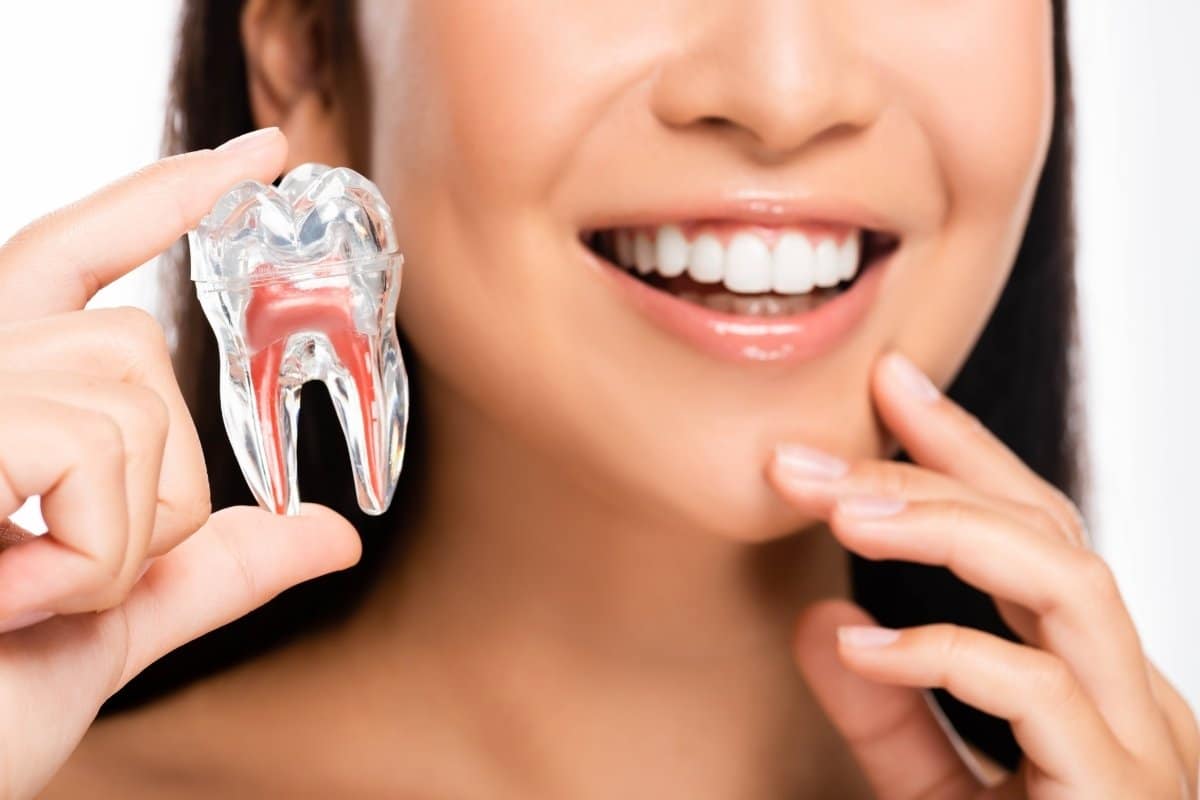
A dental crown covers the entire tooth. It wraps around all sides, from the gumline up. Crowns are used when a tooth has lost significant structure, strength, or integrity. They protect and restore the whole tooth.
A veneer, by contrast, is a thin porcelain shell. It bonds only to the front surface of a tooth. Veneers address cosmetic concerns — shape, color, and minor alignment issues — without altering the back of the tooth. This distinction matters enormously when deciding which treatment is right for you.
The choice is not about which option looks better. Both can look excellent. The decision comes down to what the tooth structurally needs. Your dentist evaluates the health, strength, and condition of the tooth before recommending either option.
When Dr. Sanford Recommends a Crown in Henderson
Crowns become the clinically correct choice in specific situations. Dr. Sanford at Green Valley Smile Care recommends a dental crown when the tooth meets one or more of the following conditions:
- The tooth has a large cavity that a filling cannot adequately repair
- The tooth is cracked or fractured below the surface
- The tooth has already had a root canal and needs protection
- More than half of the original tooth structure is missing
- The tooth is severely worn from grinding or acid erosion
- A dental bridge needs to be anchored to the tooth
In each of these cases, the tooth’s strength is compromised. A veneer would not provide the structural support the tooth needs. Placing a veneer on a weakened tooth could lead to further damage. A crown encases the tooth and prevents that from happening.
Patients seeking Restorative Dentistry Henderson will often find that crowns are the recommended solution when structural problems are present. Restoration is about function first, aesthetics second.
When a Veneer Is the Right Clinical Choice
Veneers are ideal when the tooth is structurally sound but cosmetically imperfect. If the enamel is intact and the tooth is healthy, a veneer preserves much more natural tooth structure. That matters for long-term dental health.
Dr. Sanford considers veneers appropriate in these situations:
- Permanent staining that whitening cannot correct
- Minor chips on the front surface of a tooth
- Slight gaps or spacing between front teeth
- Teeth that are slightly too small or unevenly shaped
- Surface enamel irregularities affecting appearance
Veneers require removing only a thin layer of enamel — usually less than a millimeter. A crown requires removing significantly more tooth structure on all sides. When the tooth does not need full coverage, removing that much tooth unnecessarily is poor clinical practice.
Patients exploring Cosmetic Dentistry Henderson often find that veneers are the right fit when their primary concern is aesthetics and their teeth are otherwise healthy. The goal is always to preserve as much natural tooth as possible.
The Exam Determines Everything — Not the Patient’s Preference
Patients sometimes arrive with a preference already decided. They may have seen veneers on social media or heard about crowns from a friend. Dr. Sanford listens carefully to those preferences. However, the clinical exam always guides the final recommendation.
During your evaluation at Green Valley Smile Care, Dr. Sanford will assess the following:
- X-rays: These reveal decay, fractures, and bone levels that are invisible to the naked eye.
- Bite analysis: Veneers on teeth with heavy bite pressure may not hold up long-term.
- Enamel thickness: Veneers need sufficient enamel to bond to safely.
- Existing restorations: Teeth with old large fillings often need crowns, not veneers.
- Gum health: Periodontal issues must be resolved before any restoration is placed.
There is no shortcut to this process. A dentist who recommends a veneer or crown without a thorough exam is not giving you the care you deserve. The Henderson community deserves treatment based on evidence, not convenience.
Durability, Maintenance, and What to Expect Long-Term
Crowns and veneers both offer long-lasting results, but their durability differs. A well-placed crown can last 15 to 30 years with proper care. Veneers typically last 10 to 20 years before they may need replacement.
Both restorations require the same daily habits: brushing twice daily, flossing, and attending regular checkups. Patients who grind their teeth may need a night guard to protect either restoration. Dr. Sanford often discusses this proactively with patients in Henderson who show signs of bruxism.
Veneers are more susceptible to chipping under heavy forces. If you bite your nails, chew ice, or clench frequently, a veneer on a heavily stressed tooth may not be the wisest long-term choice. This is another reason why clinical judgment must override cosmetic preference.
Crowns carry a higher initial investment in tooth structure — more enamel is removed. That is irreversible. Dentists weigh this carefully before recommending a crown for a tooth that is otherwise strong and healthy.
Making the Right Decision for Your Smile in Henderson
The crowns vs. veneers question does not have a universal answer. It depends entirely on the condition of the specific tooth being treated. A cosmetically motivated patient may want a veneer, but if the tooth is cracked and weakened, a crown is the only responsible recommendation. Likewise, placing a crown on a healthy tooth just for aesthetics removes structure unnecessarily.
Dr. Brian Sanford and the team at Green Valley Smile Care are committed to honest, clinically driven care. Every Henderson patient receives a thorough evaluation before any treatment recommendation is made. Your long-term oral health always comes before a quick cosmetic fix.
If you are weighing your options and want a clear, honest assessment of what your tooth actually needs, our team is here to help. Book Now to schedule your appointment with our team.
Frequently Asked Questions
Can I choose a veneer even if my dentist recommends a crown?
You can always ask questions and discuss your preferences. However, if your dentist recommends a crown, it is because the tooth’s structural integrity requires full coverage. Placing a veneer on a compromised tooth risks further damage. It is best to understand the clinical reasoning before making a final decision.
Do crowns look as natural as veneers?
Yes. Modern porcelain crowns are designed to match your surrounding teeth in color, shape, and translucency. Most patients find it difficult to tell the difference between a well-made crown and a natural tooth. An experienced dentist like Dr. Sanford prioritizes aesthetic outcomes alongside structural function.
Is the procedure for a crown more involved than for a veneer?
Yes, generally. A crown requires more tooth preparation because it covers all surfaces of the tooth. A veneer only requires removing a thin layer from the front surface. Both procedures are performed with local anesthetic and are well tolerated by most patients.
How do I know if my tooth needs a crown or a veneer?
The only reliable way to know is through a dental examination, including X-rays. A dentist evaluates the structural health of the tooth, your bite, existing restorations, and other factors before recommending a treatment. Self-diagnosing from online searches is not recommended for this type of decision.
Can a veneer be replaced with a crown later if needed?
Yes. If a tooth with a veneer later develops structural problems — such as decay or fracture — a crown can replace it. However, by that point, more tooth structure will need to be removed. Starting with the clinically correct restoration from the beginning avoids this situation.