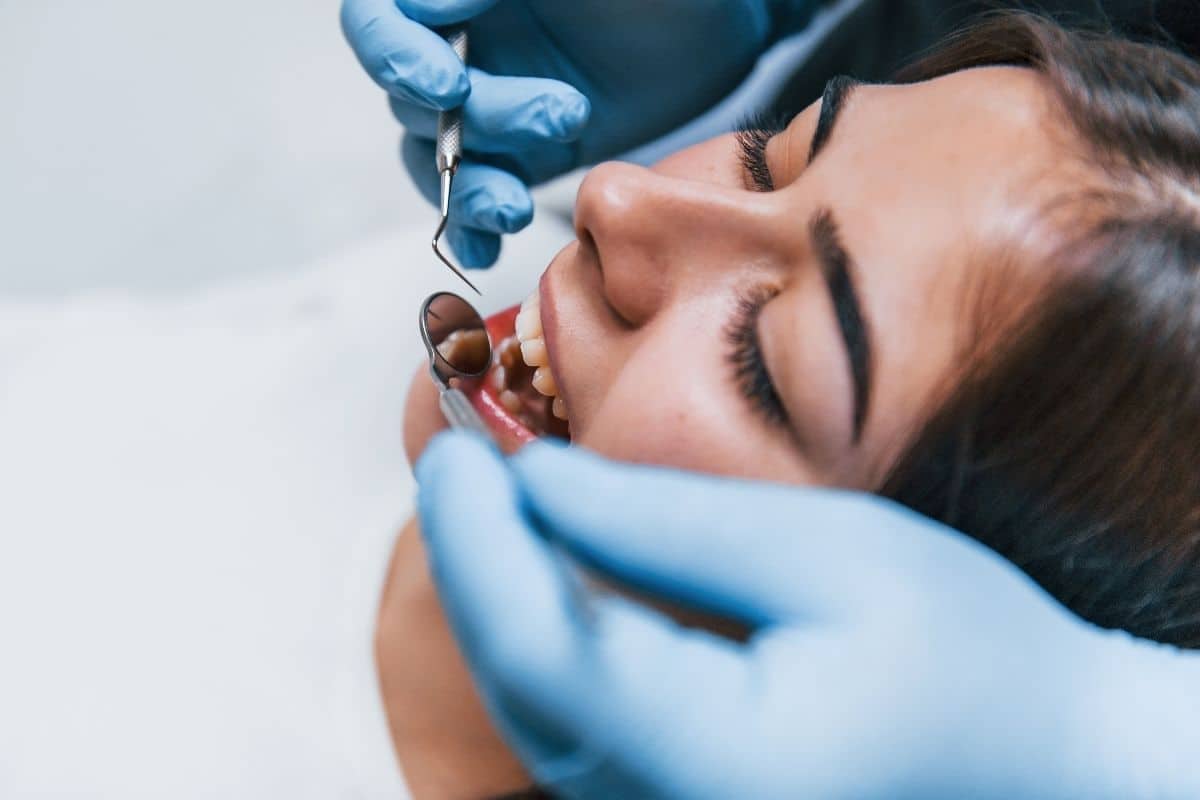


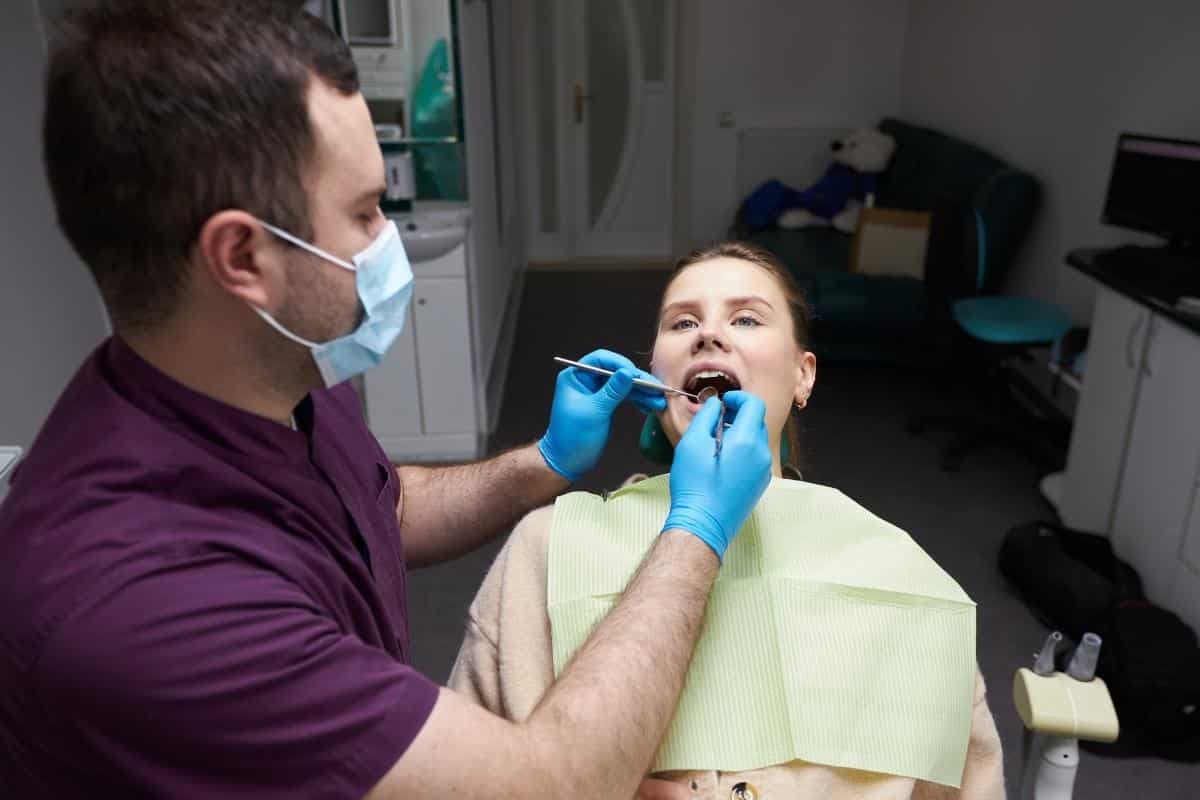
If a tooth has been damaged by decay, small fractures, or worn areas, a filling is often the most effective way to restore its shape and function before the problem becomes more serious. The earlier these issues are treated, the better the chance of preserving healthy tooth structure and avoiding more complex procedures. Knowing the signs can help you seek care before discomfort turns into lasting damage.
Tooth Decay Is the Most Common Reason
Cavities begin when bacteria in the mouth produce acids that wear away tooth enamel. In the early stages, you may not notice anything unusual. As decay progresses, you may experience sensitivity, discomfort, or visible dark spots on the tooth.
A filling removes the decayed portion of the tooth and seals the area to stop the cavity from getting larger. Early treatment also helps protect the inner layers of the tooth from infection.
You Have Tooth Sensitivity That Does Not Go Away
Occasional sensitivity is common, but ongoing discomfort when eating hot, cold, or sweet foods may point to enamel damage or a cavity.
If the sensitivity is limited to one tooth and keeps returning, it is worth having it examined. Restoring the damaged area may reduce discomfort and help prevent further wear.
Small Chips or Cracks
Not every chipped or cracked tooth needs a crown. Minor damage that affects only the outer portion of the tooth can often be repaired with a filling material that restores strength and appearance.
Treating small cracks early can also reduce the risk of the damage spreading over time.
Worn Teeth From Grinding
Many people grind or clench their teeth without realizing it, especially while sleeping. Over time, this habit can wear down the chewing surfaces and create small areas where bacteria can collect.
A filling can rebuild worn sections of the tooth and help protect it from additional damage. If grinding is the cause, your dentist may also recommend a custom night guard.
An Old Filling Has Failed
Fillings do not last forever. Years of chewing can cause them to wear down, crack, or pull away from the tooth. When this happens, bacteria can enter underneath the restoration and create new decay.
Replacing a damaged filling early helps protect the remaining healthy tooth structure and lowers the risk of needing more extensive care.
Visible Holes or Dark Areas
A tooth with a small hole, rough spot, or dark area may already have decay. While not every stain is a cavity, any noticeable change should be checked by a dentist.
A professional examination, along with dental X-rays when needed, can determine whether the tooth needs restoration.
Pain When You Bite Down
Sharp discomfort while chewing or biting may indicate decay, a crack, or damage to an existing restoration. This type of pain should not be ignored because it often means the tooth needs prompt attention.
The right treatment depends on the cause, but a filling is often enough when the damage is caught early.
Why Early Care Matters
Small dental problems rarely improve on their own. Delaying care gives decay more time to spread, increasing the chance that a simple repair could become a root canal or extraction.
If your dentist recommends dental filling treatment, it is usually because restoring the tooth now offers the best chance of preserving its natural structure and long-term function.
Protect Your Teeth Before Small Problems Grow
Ignoring early warning signs can lead to bigger dental concerns that are more difficult to treat. If you have noticed sensitivity, discomfort, or visible changes in a tooth, schedule an evaluation with Green Valley Smile Care in Henderson. Our team will identify the cause and recommend the right solution to keep your teeth healthy. Visit us today to receive personalized care in Henderson.
Frequently Asked Questions
How do I know if I need a filling?
Common signs include sensitivity, pain when chewing, visible holes, dark spots, or a cavity found during a routine dental exam.
Can a small cavity heal without a filling?
Once a cavity has formed through the enamel, it cannot repair itself. Prompt treatment prevents the decay from spreading.
Does getting a filling hurt?
Modern techniques and local anesthesia make the procedure comfortable for most patients.
How long do fillings last?
The lifespan depends on the material used, the size of the restoration, and your oral care habits. Many fillings last for years with proper maintenance.
Can a filling prevent a root canal?
Yes. Treating decay early can stop it from reaching the tooth’s pulp, reducing the likelihood of needing more extensive treatment.