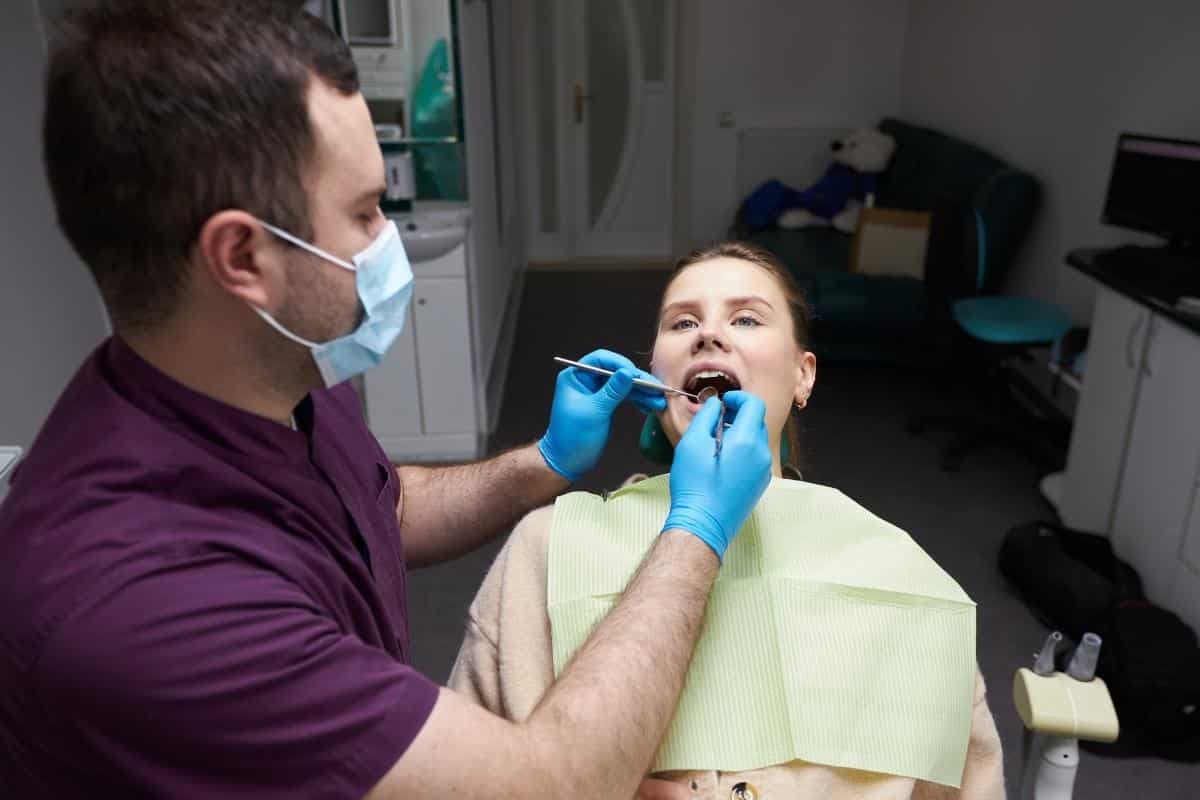


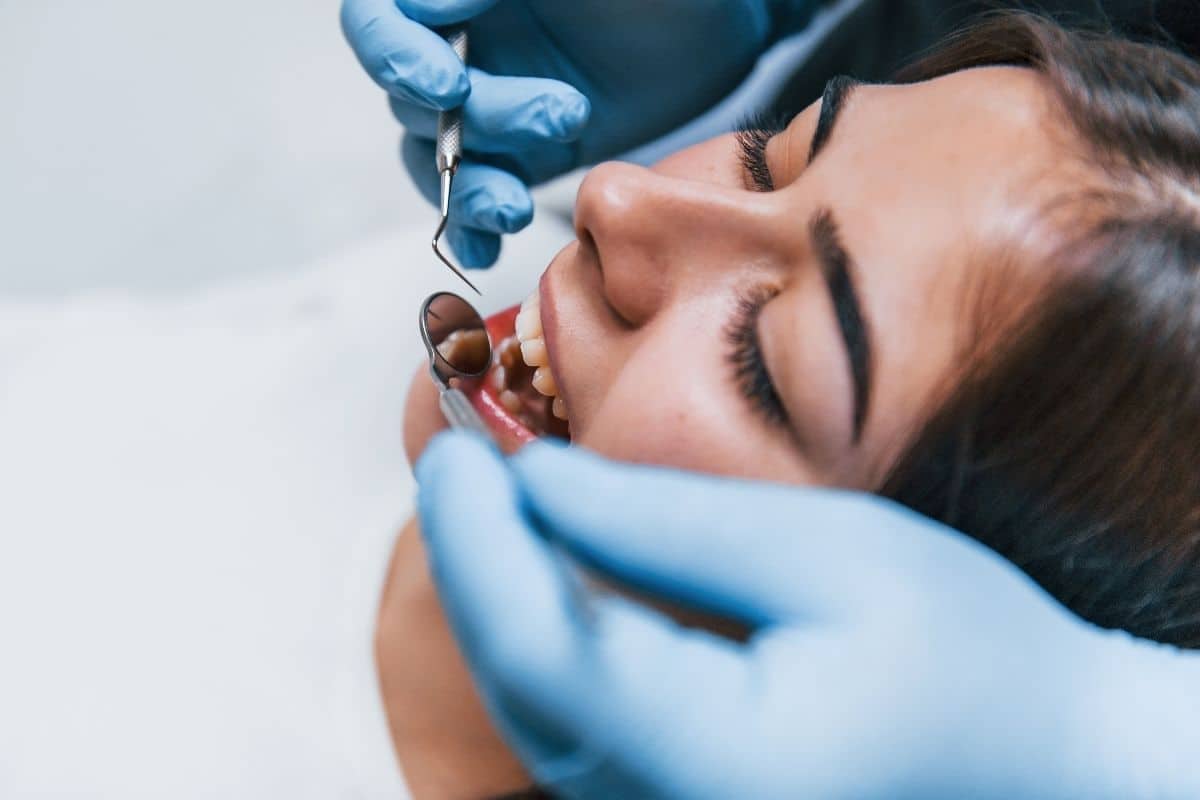
Finding a white patch in the mouth can be surprising, but it does not always point to a serious problem. In many cases, the cause is something simple, such as irritation from biting your cheek or wearing a dental appliance. However, some white patches can be linked to infections, long-term tobacco use, or changes that should be checked by a dentist. Knowing what might be behind the patch and when to seek care can help protect your oral health.
Common Reasons for White Patches in the Mouth
White patches can develop for several reasons, including:
Cheek or Tongue Irritation
Accidentally biting the inside of your cheek, rubbing from a rough tooth, or irritation from a dental appliance may create a white area. These patches often improve once the source of irritation is removed.
Oral Thrush
This fungal infection is caused by an overgrowth of yeast. It is more common in infants, older adults, people with weakened immune systems, and those using certain medications. Thrush usually appears as creamy white patches that may wipe away, leaving redness underneath.
Leukoplakia
Leukoplakia appears as thick white patches that cannot be rubbed off. It is often associated with tobacco use or ongoing irritation. While many cases are harmless, some may contain abnormal cells that require evaluation.
Oral Lichen Planus
This long-term inflammatory condition can create white, lace-like patterns inside the cheeks. Some people also experience soreness or sensitivity when eating spicy or acidic foods.
When Should You Be Concerned?
Many white patches disappear within a week or two. A dental evaluation is recommended if the patch:
- Lasts longer than two weeks
- Cannot be wiped away
- Becomes painful or starts bleeding
- Changes in size or appearance
- Is accompanied by difficulty swallowing or persistent soreness
Early assessment helps identify the cause and allows treatment before the condition becomes more serious.
How Is the Cause Diagnosed?
Your dentist will begin with a thorough examination of your mouth and ask about your symptoms, health history, and lifestyle habits. In some situations, they may recommend monitoring the area or performing additional testing. If there is concern about abnormal tissue, a small sample may be taken for further evaluation.
If you need a more advanced assessment, your Dental specialist can help determine the underlying cause and recommend the most appropriate treatment.
Treatment Depends on the Underlying Cause
The right treatment depends on why the white patch developed.
If irritation is responsible, removing the source often allows the tissue to heal naturally.
For oral thrush, antifungal medication is commonly prescribed.
Inflammatory conditions may be managed with medications that reduce irritation and discomfort.
If abnormal cells are detected, your dentist will discuss the next steps based on the findings and help you decide on the best approach.
Can White Patches Be Prevented?
Although not every case can be avoided, healthy habits can lower your risk.
- Brush and floss every day.
- Visit your dentist for routine checkups.
- Avoid tobacco products.
- Limit alcohol consumption.
- Eat a balanced diet that supports overall oral health.
- Replace damaged dental appliances if they are causing irritation.
Paying attention to changes inside your mouth is one of the easiest ways to catch problems early.
Protect Your Oral Health Before Small Changes Become Bigger Problems
If you notice a white patch that does not go away or seems unusual, do not ignore it. Schedule an evaluation with Green Valley Smile Care to get answers and peace of mind. Our team is committed to identifying concerns early and helping you maintain a healthy mouth. Visit our dental clinic in Henderson today to receive personalized care.
Frequently Asked Questions
Can a white patch in the mouth go away on its own?
Yes. If it is caused by minor irritation, it may heal after the source of irritation is removed. Patches that last more than two weeks should be examined.
Are all white patches a sign of oral cancer?
No. Many are caused by harmless conditions such as irritation or fungal infections. However, persistent patches should always be evaluated.
Can stress cause white patches in the mouth?
Stress itself is not a direct cause, but it may contribute to conditions that increase the likelihood of developing certain oral changes.
Should I try to scrape the white patch off?
No. Scraping the area may cause irritation or injury. It is better to have it examined by a dental professional if it does not improve.
Can children develop white patches in the mouth?
Yes. Oral thrush is a common cause of white patches in infants and young children, although other conditions are also possible. A dental or medical evaluation is recommended if the patches persist.