


Many patients expect a tooth to feel better after treatment, but they are surprised when they notice a change in color months or even years later. If you have looked in the mirror and wondered why a treated tooth appears darker than the surrounding teeth, you are not alone.
The good news is that tooth discoloration after treatment is relatively common. However, it is important to understand why it happens and when it may require attention from a dentist.
Why Can a Tooth Change Color After Treatment?
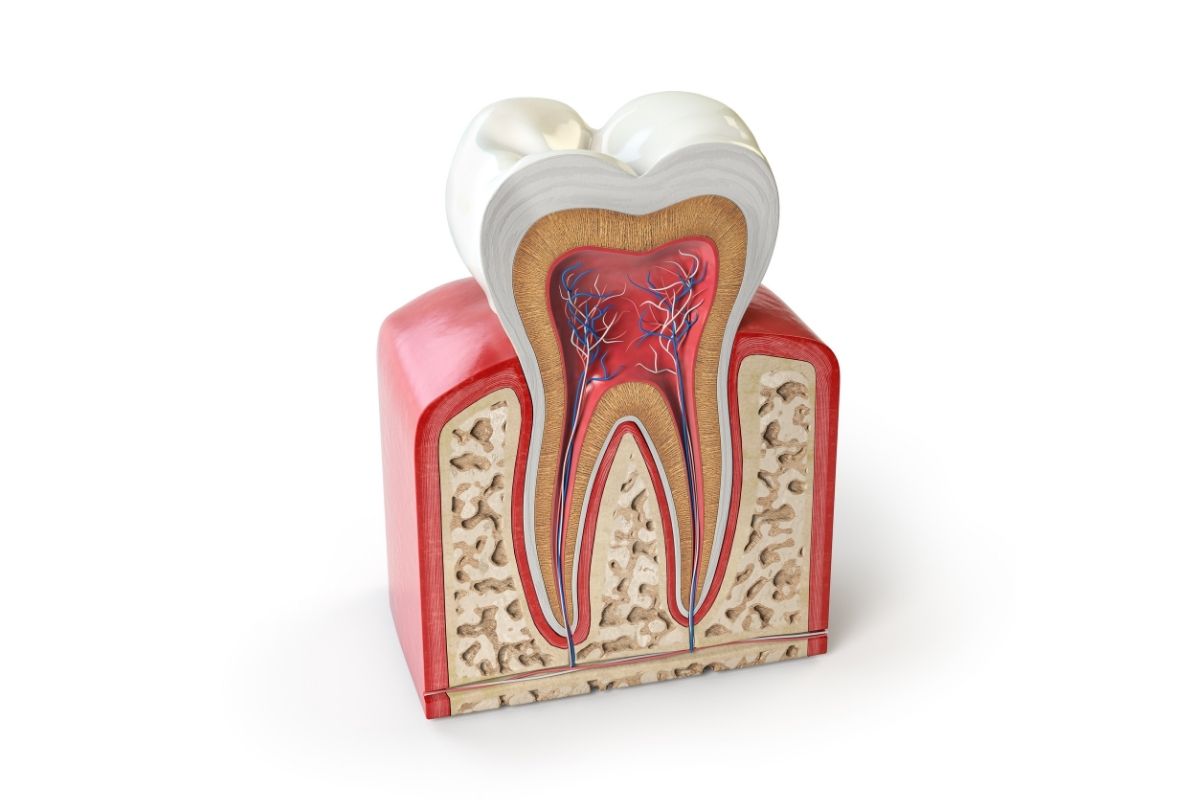
A tooth that has undergone root canal therapy is no longer supported by the living tissue that once existed inside the pulp chamber. Over time, changes within the tooth structure can affect its appearance.
In many cases, the darkening develops gradually. Some people notice only a slight yellow or gray tint, while others see a more noticeable difference compared to neighboring teeth.
Several factors may contribute to this change:
Internal Changes Within the Tooth
When the pulp is removed, the tooth loses its natural blood supply. Without that internal nourishment, the tooth can become less vibrant and appear darker over time.
Staining From Remaining Materials
Tiny amounts of tissue, blood components, or treatment materials can sometimes remain inside the tooth. As these materials break down, they may create discoloration that becomes visible through the enamel.
Previous Trauma
Many teeth that require treatment have experienced injury at some point. Trauma can damage the internal structures of the tooth, causing discoloration before or after treatment.
Natural Aging
Like all teeth, treated teeth continue to age. In some cases, the color change simply becomes more noticeable because the tooth responds differently to the aging process than surrounding teeth.
Is Discoloration a Sign That Something Is Wrong?
Not necessarily.
A darker tooth does not automatically mean the treatment has failed. Many successfully treated teeth remain healthy and functional while showing some degree of discoloration.
However, if the color change occurs alongside symptoms such as pain, swelling, tenderness, or sensitivity, it is worth scheduling an evaluation. These symptoms may indicate an issue that requires further examination.
Can a Darkened Tooth Be Whitened?
Traditional whitening products often do not produce the same results on a tooth that has changed color from the inside.
Fortunately, dentists have several cosmetic options available. Depending on the cause and severity of the discoloration, treatment may include internal whitening procedures, bonding, veneers, or crowns designed to restore a natural appearance.
The best approach depends on the condition of the tooth and your overall smile goals.
How Long Does It Take for Discoloration to Appear?
There is no universal timeline.
Some patients notice changes within a few months, while others may not see any difference for years. The timing often depends on the original condition of the tooth, the extent of previous damage, and individual biological factors.
Because the process is usually gradual, many people do not realize the tooth has darkened until they compare photographs or receive a routine dental examination.
Can Tooth Discoloration Be Prevented?
While it is not always possible to prevent discoloration completely, modern treatment techniques help reduce the likelihood of significant color changes.
Regular dental visits also allow your dentist to monitor treated teeth and address cosmetic concerns before they become more noticeable.
For residents of Henderson, staying consistent with preventive dental care can help protect both the health and appearance of your smile.
A Brighter Smile May Be Closer Than You Think
If a darkened tooth is affecting your confidence, professional treatment options can often restore a more natural look. At Green Valley Smile Care, our team can evaluate the cause of discoloration and recommend solutions tailored to your smile.
Visit our dental clinic in Henderson to learn about your options and take the next step toward a more confident smile. Schedule an appointment with Green Valley Smile Care today and discover how subtle improvements can make a big difference.
Frequently Asked Questions :
Is it normal for a tooth to darken after treatment?
Yes. A treated tooth can become darker over time due to internal changes, previous trauma, or staining within the tooth structure.
Does a dark tooth mean the treatment failed?
Not always. Many healthy treated teeth develop discoloration without any underlying problem.
Can whitening toothpaste fix the discoloration?
Usually not. Because the color change often occurs inside the tooth, professional treatment is generally more effective.
Should I see a dentist if my tooth changes color?
Yes. Even though discoloration is often harmless, a dental evaluation can determine the cause and confirm that the tooth remains healthy.
Can the appearance of a darkened tooth be improved?
Yes. Internal whitening, bonding, veneers, or crowns may help restore a more natural tooth color.