


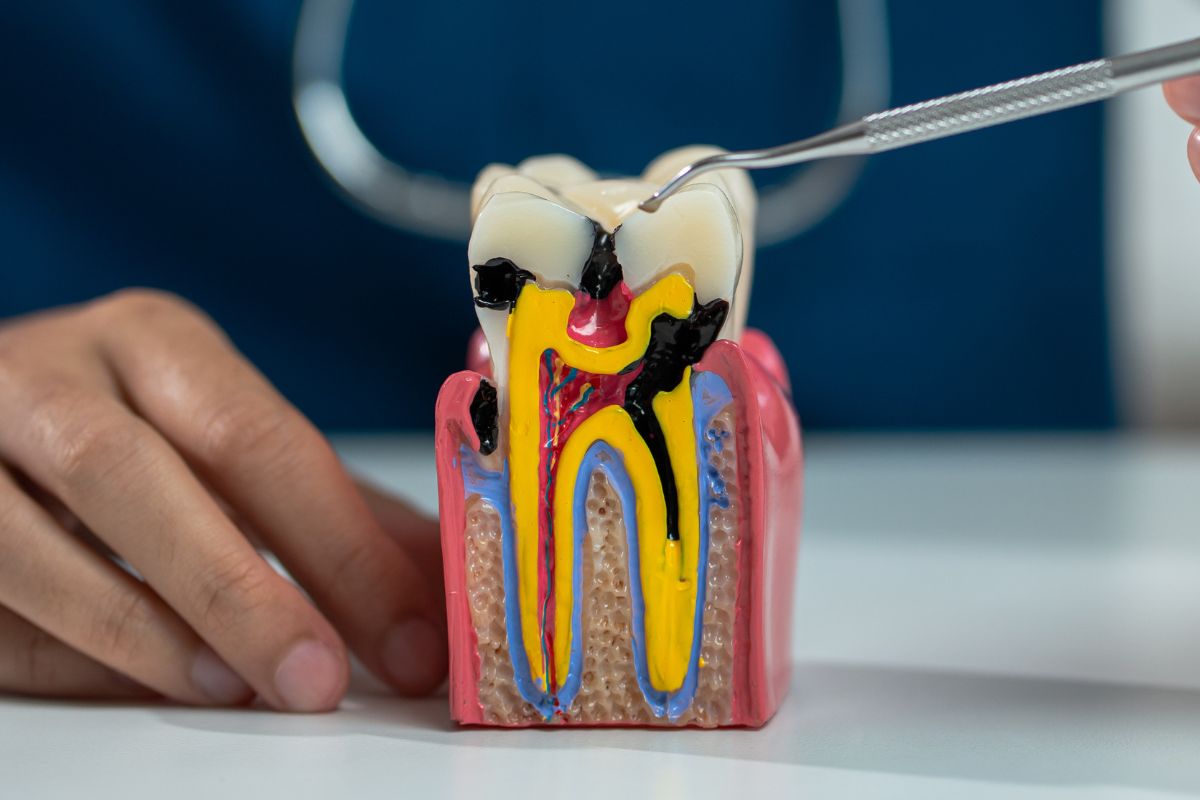
Endodontic treatment, commonly known as a root canal, is a specialized dental procedure used to save a badly damaged or infected tooth. The treatment focuses on the inside of the tooth, where the pulp is located. This soft tissue contains nerves and blood vessels that help support the tooth during development.
When the pulp becomes inflamed or infected, the tooth may become painful and sensitive. During the procedure, the damaged tissue is removed, the inside of the tooth is carefully cleaned and disinfected, and the canals are sealed to help prevent future infection. The goal is to preserve the natural tooth and restore comfort.
Why Is It Needed?
The inner pulp of the tooth can become irritated or infected for several reasons. If bacteria reach the deeper layers of the tooth, the infection may continue spreading without professional treatment.
Deep Tooth Decay
Untreated cavities can gradually extend into the inner portion of the tooth, allowing bacteria to infect the pulp.
Cracked or Chipped Teeth
A crack or fracture may expose the inside of the tooth to bacteria and increase the risk of infection.
Repeated Dental Procedures
Multiple restorations on the same tooth over time may weaken the tooth structure and irritate the pulp tissue.
Tooth Trauma
A strong impact on the mouth can damage the pulp, even when the tooth does not show visible signs of injury.
If the infection is left untreated, it may lead to severe pain, swelling, bone damage, or a painful abscess near the root of the tooth.
Common Signs You May Need Treatment
Some symptoms develop gradually, while others appear suddenly. It is important to seek professional care if discomfort continues or worsens.
Persistent Tooth Pain
Pain while chewing or biting may indicate inflammation or infection inside the tooth.
Sensitivity to Hot or Cold
Lingering sensitivity after eating or drinking something hot or cold can be a warning sign.
Tooth Discoloration
A tooth that becomes darker than the surrounding teeth may indicate internal damage.
Swollen Gums
Tender gums or a small bump near the painful tooth may signal infection.
Patients often delay care because symptoms temporarily improve, but untreated infections rarely heal on their own.
What Happens During the Procedure?
Modern dental techniques make treatment more comfortable and effective than many patients expect.
Diagnosis and Numbing
The dentist examines the tooth and takes X-rays to evaluate the infection. A local anesthetic is then used to numb the area and keep the patient comfortable.
Pulp Removal
A small opening is made in the tooth, so the infected or inflamed pulp can be carefully removed.
Cleaning and Disinfection
The inside of the root canal system is cleaned, disinfected, and shaped to prepare it for sealing.
Filling and Sealing
The canals are filled with a material designed to seal the space and reduce the risk of future infection.
Final Restoration
In many cases, the tooth is restored with a dental crown to strengthen and protect it during normal daily use.
If your dentist recommends Endodontic Treatment, it usually means the inner tissue of the tooth cannot heal naturally and requires professional care to save the tooth.
Benefits of Saving the Natural Tooth
The main goal of treatment is to help patients keep their natural teeth whenever possible. Preserving the original tooth can support long-term oral health and comfort.
Saving the tooth helps maintain normal chewing ability and keeps nearby teeth from shifting out of alignment. It may also reduce the need for more extensive restorative procedures later.
With proper care and regular dental visits, a treated tooth can continue functioning for many years.
Protect Your Smile Before Pain Gets Worse
Tooth pain and sensitivity should never be ignored. Visit our Henderson dental office to learn more about treatment options and receive personalized care in a comfortable setting.
At Green Valley Smile Care, our team proudly helps patients in Henderson restore healthy smiles and protect their natural teeth with compassionate dental care.
FAQs :
Is a root canal painful?
Most patients feel little to no pain during the procedure because the area is completely numbed beforehand.
How long does the procedure take?
Treatment time depends on the condition of the tooth, but many procedures can be completed in one or two visits.
Can the tooth last after treatment?
Yes. A properly treated and restored tooth can remain healthy and functional for many years.
What happens if I avoid treatment?
Delaying care may allow the infection to spread deeper into the tooth and surrounding tissue, which can eventually lead to tooth loss.