


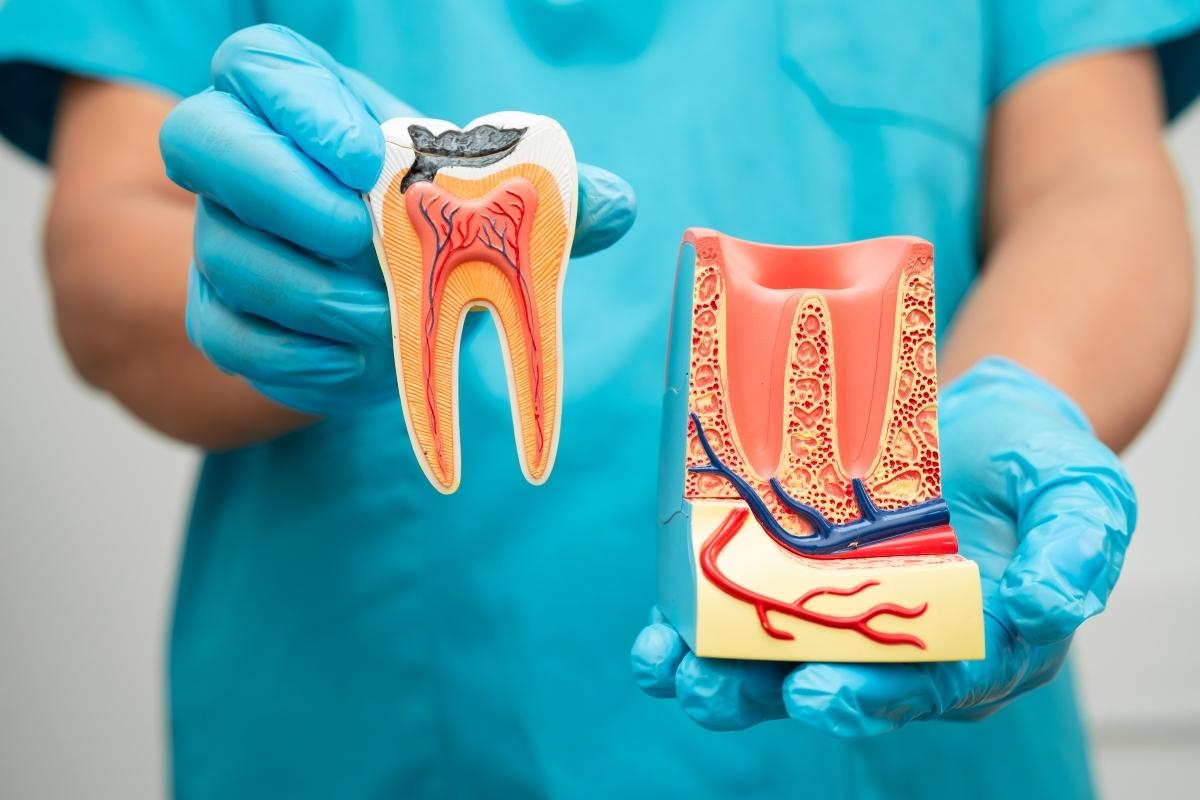
Getting through a dental procedure that involves the inner part of a tooth can feel like a big step. Many patients feel relief once it is over, but questions often follow. What should you expect next? Understanding what happens after treatment helps you recover comfortably and avoid unnecessary worry.
In many cases, a root canal treatment is done to remove infection and protect your natural tooth. After the procedure, your focus shifts to healing, protecting the tooth, and getting back to normal routines.
What You May Feel Right After the Procedure
It is completely normal to notice some changes in how your mouth feels once the numbness wears off.
Mild soreness and sensitivity
You may feel tenderness around the treated tooth for a few days. This usually comes from the surrounding tissues adjusting after the procedure. It should gradually improve.
Temporary numbness
The numbness from anesthesia can last for a few hours. Avoid chewing until it fully fades to prevent accidental bites.
Bite feels slightly different
Your tooth may feel a little off when you bite down. This is often temporary, but if it continues, your dentist can easily adjust it.
How to Care for Your Tooth While It Heals
Taking care of your tooth after treatment plays a big role in long-term success. Keep things simple and consistent.
Eating and drinking habits
Stick to soft foods for the first day or two. Avoid very hot or crunchy foods that could irritate the area.
Oral hygiene routine
Continue brushing and flossing as usual, but be gentle around the treated area. Cleanliness helps prevent further issues.
Protecting the tooth
If your dentist has placed a temporary filling, be mindful when chewing. A permanent crown is often recommended to restore full strength.
Signs Your Recovery Is on Track
Healing tends to be smooth for most patients. Here is what normal recovery often looks like:
- Discomfort that improves within a few days
- No swelling or only mild tenderness
- Ability to return to normal eating habits gradually
- No sharp or lingering pain
If something feels off or worsens over time, it is best to reach out for guidance.
When to Call Your Dentist
While complications are uncommon, it is important to know when to seek help.
- Pain that gets worse instead of better
- Swelling that does not go down
- A feeling of pressure that does not improve
- Any unusual discharge or bad taste
Prompt attention can prevent minor concerns from becoming bigger problems.
Long-Term Outlook After Treatment
Most treated teeth can last for many years with proper care. Once the tooth is restored and protected, you can use it just like your natural teeth.
Regular dental visits and good daily habits help maintain the results. Think of it as preserving a repaired structure rather than replacing it.
Ready to Take the Next Step Toward Comfort?
If you recently had treatment or still have questions about your recovery, getting the right guidance makes all the difference.
- Get personalized advice based on your case
- Ensure your tooth heals properly
- Plan for any follow-up care if needed
- Stay confident about your oral health
Visit our dental office in Henderson to speak with the team at Green Valley Smile Care and get the support you need. Your comfort and long-term dental health matter, and we are here to help you every step of the way.
FAQs :
How long does recovery usually take?
Most people feel normal within a few days, though minor sensitivity can last a little longer.
Can I go back to work the same day?
Yes, many patients return to normal activities the same day, depending on comfort.
Do I always need a crown afterward?
In many cases, a crown is recommended to strengthen and protect the tooth long term.
Is it normal to feel pressure when biting?
Mild pressure can happen early on, but it should improve. If it does not, your dentist can adjust it.
Can the treated tooth get infected again?
It is rare, but possible. Good oral hygiene and regular checkups reduce the risk.