
Losing more than one tooth can go beyond just changing your smile—it can affect how you eat, speak, and even your overall oral health. If you’re noticing gaps in your teeth, it’s important to consider solutions that restore both appearance and function. One effective option is a dental bridge, a reliable way to fill spaces and maintain your oral health.
Why Missing Teeth Matter
Having multiple missing teeth can have several unexpected effects:
- Chewing Struggles: Gaps make it harder to enjoy certain foods and can affect digestion.
- Speech Changes: Missing teeth can make some words harder to pronounce.
- Jawbone Health: Teeth help stimulate the jawbone; without them, bone loss can occur over time.
- Shifting Teeth: Nearby teeth may drift into the empty space, causing misalignment or bite issues.
Addressing missing teeth early can prevent further dental complications and protect your long-term oral health.
What a Dental Bridge Can Do
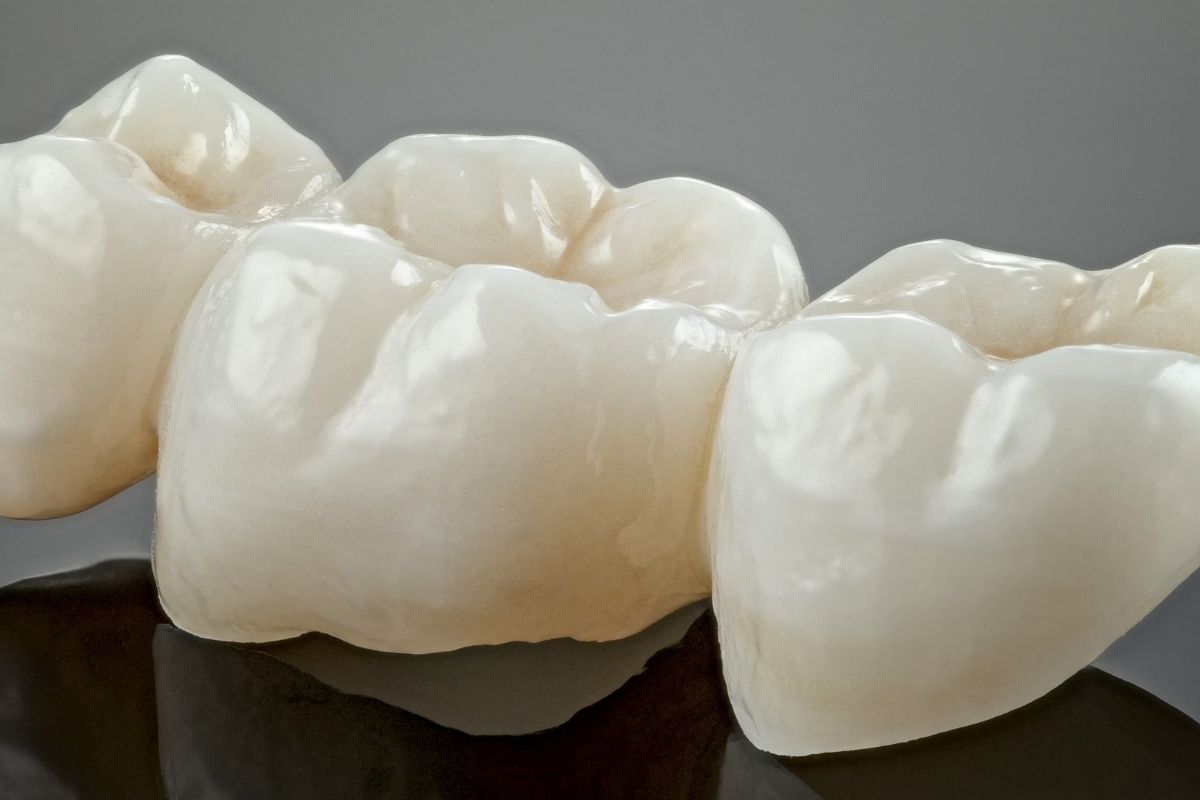
A dental bridge is designed to replace one or more missing teeth by “bridging” the gap between natural teeth or implants. The bridge is supported on either side by healthy teeth or dental implants, keeping it stable and functional.
How It Works
A typical dental bridge includes:
- Support Teeth (Abutments): Natural teeth on either side of the gap that anchor the bridge.
- Artificial Teeth (Pontics): The replacement teeth that fill the spaces.
- Connecting Framework: The structure that holds the bridge securely in place.
Once fitted, a bridge can restore normal chewing, improve speech, and maintain the shape of your face, all while preventing surrounding teeth from shifting.
Different Types of Bridges
Bridges can be customized to fit your needs:
- Traditional Bridges: Supported by natural teeth on both sides; usually made from ceramic or porcelain fused to metal.
- Cantilever Bridges: Anchored to only one supporting tooth, suitable when a full traditional bridge isn’t feasible.
- Implant-Supported Bridges: Held in place by dental implants instead of natural teeth, ideal for replacing multiple missing teeth without affecting neighboring teeth.
A dentist can help determine which type works best for your smile and lifestyle.
Advantages of Dental Bridges
Choosing a bridge to replace multiple teeth offers many benefits:
- Restores a natural, seamless smile.
- Makes chewing easier and more comfortable.
- Prevents adjacent teeth from shifting.
- Helps maintain jaw structure and facial appearance.
- Can last for many years with proper care, sometimes up to a decade or longer.
These advantages make dental bridges a practical and long-lasting solution for those with multiple missing teeth.
Maintaining Your Dental Bridge
Proper care keeps your bridge healthy and durable:
- Brush twice daily and floss around the bridge carefully.
- Consider a water flosser to clean hard-to-reach areas.
- Schedule regular dental check-ups and professional cleanings.
- Avoid overly hard or sticky foods that could damage the bridge.
Consistent care ensures your bridge continues to function well and look natural for years.
Rebuild Your Smile with Green Valley Smile Care
Missing teeth don’t have to hold you back from living confidently. A dental bridge can restore your smile, improve your bite, and make speaking and eating easier.
Ready to take the next step? Visit our dental clinic in Henderson, NV, for a tailored consultation. At Green Valley Smile Care, our team will guide you through the process, helping you find a comfortable, long-lasting solution that fits your needs.