

Dental crowns are one of the most effective solutions for protecting and restoring damaged teeth, yet many people hesitate to get them until a problem becomes painful. Knowing the early signs that your tooth may need a crown can save you from more complicated dental procedures down the line. Let’s explore how to spot these signs before it’s too late.
What a Dental Crown Does
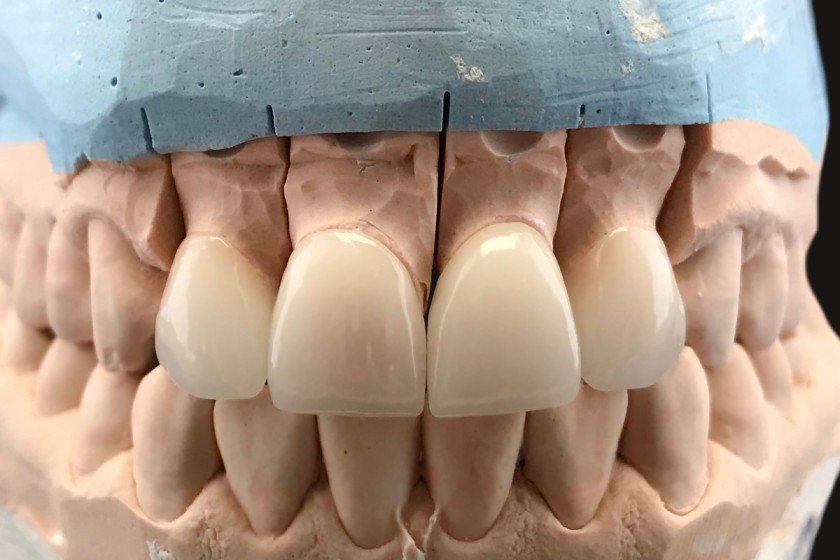
A dental crown is essentially a cap that covers your tooth, restoring its shape, strength, and appearance. Crowns protect teeth that are cracked, worn, or weakened due to decay or large fillings. They also play a critical role in maintaining proper bite alignment and preventing further damage.
Crowns for teeth are particularly helpful when a filling isn’t enough to restore the tooth’s structure. They provide durable protection and can last for many years with proper care. Knowing when you need one is key to avoiding more complex dental problems in the future.
Signs That Indicate You May Need a Crown
Persistent Tooth Sensitivity
If your tooth reacts sharply to hot, cold, or sweet foods, this could signal that the enamel is worn or the tooth has internal damage. While sensitivity can have multiple causes, it’s often a sign that your tooth is vulnerable and may benefit from a crown.
Visible Cracks or Chips
Even minor cracks can compromise a tooth’s strength. Over time, cracks can worsen, leading to pain or tooth loss. A dental crown acts as a protective shield, preventing further damage while restoring the tooth’s natural appearance.
Worn or Large Fillings
Teeth with large fillings can become fragile and prone to breaking. If a filling occupies a significant portion of the tooth, a crown can reinforce the structure, ensuring the tooth remains functional and healthy.
Bite Discomfort or Misalignment
Experiencing discomfort while chewing or noticing changes in your bite can indicate that a tooth is weakened or damaged. Addressing this early with a crown helps prevent more serious issues, such as jaw strain or uneven wear on other teeth.
Tooth Discoloration or Staining
Severe discoloration, particularly from internal damage, may not be treatable with whitening alone. A crown can restore both the strength and appearance of your tooth, giving you a healthier, more uniform smile.
Taking Action Before the Problem Escalates
Ignoring the signs can lead to tooth fracture, infection, or even tooth loss. Early intervention not only prevents pain but also saves time, money, and stress in the long run. Dental crowns are designed to restore function and aesthetics, so addressing potential issues early is always the smartest approach.
Protect Your Smile Today in Henderson, NV
If you’ve noticed any of these signs, don’t wait for the problem to worsen. Visit Green Valley Smile Care in Henderson, NV, to get a personalized evaluation and explore options for crowns that protect and restore your teeth. Our team is dedicated to ensuring your smile stays healthy, strong, and confident for years to come.
Frequently Asked Questions About Dental Crowns
Wondering what’s next for your tooth? Here are answers to some common questions:
How long do dental crowns last?
With proper care, crowns can last 10 to 15 years, and sometimes even longer. Regular dental checkups help ensure they remain in good condition.
Is getting a crown painful?
Most patients experience minimal discomfort during the procedure. Local anesthesia keeps the process comfortable, and any post-procedure soreness usually fades quickly.
Can I get a crown for a tooth that has never had a filling?
Yes. Crowns aren’t only for repaired teeth—they’re also used for teeth that are naturally weak or misshapen.
What materials are crowns made from?
Crowns can be made from porcelain, ceramic, metal, or a combination. Your dentist will recommend the best material based on durability, aesthetics, and location in the mouth.
Do crowns require special care?
No special care is needed beyond good oral hygiene. Brushing, flossing, and regular dental visits keep your crown and surrounding teeth healthy.