
Dental crowns are a reliable solution for restoring the strength and appearance of damaged teeth. However, like all dental restorations, they don’t last forever. Over time, wear and tear can affect their function and appearance, leading to the need for replacement.
If you’re a resident of Henderson, a community known for its outdoor activities like hiking at Lake Las Vegas or enjoying spring festivals, it’s essential to maintain your dental health so you can continue participating in these activities with ease.
Recognizing when your dental crown needs to be replaced can help you avoid complications and maintain your smile’s integrity.
When Do You Need A Dental Crown Replacement?
A dental cap is made to last many years, but there are a few signs that it may need to be replaced sooner. Here are some key indicators to watch out for:
1. Discomfort Or Sensitivity
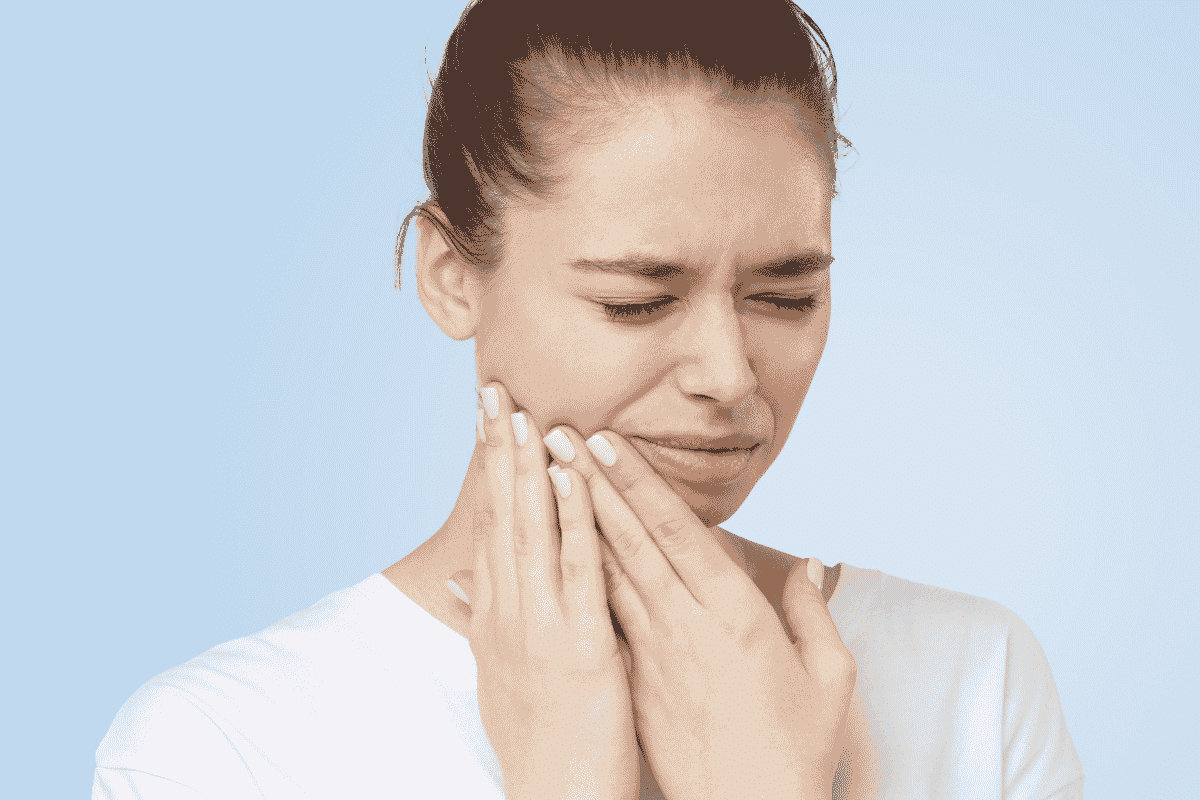
If you experience pain or heightened sensitivity, it may be a sign that the restoration is no longer functioning properly. This can happen if the cap is cracked or has become loose, allowing bacteria to enter and affect the underlying tooth.
2. Visible Damage To The Tooth Cap
Over time, they can wear down, become chipped, or show signs of staining. If you notice visible damage, such as cracks, chips, or discoloration, it may be time to consider dental crown replacement. When damaged, it not only affects your smile but also compromises the protection it provides to the underlying tooth.
3. Loose Or Shifting Crown
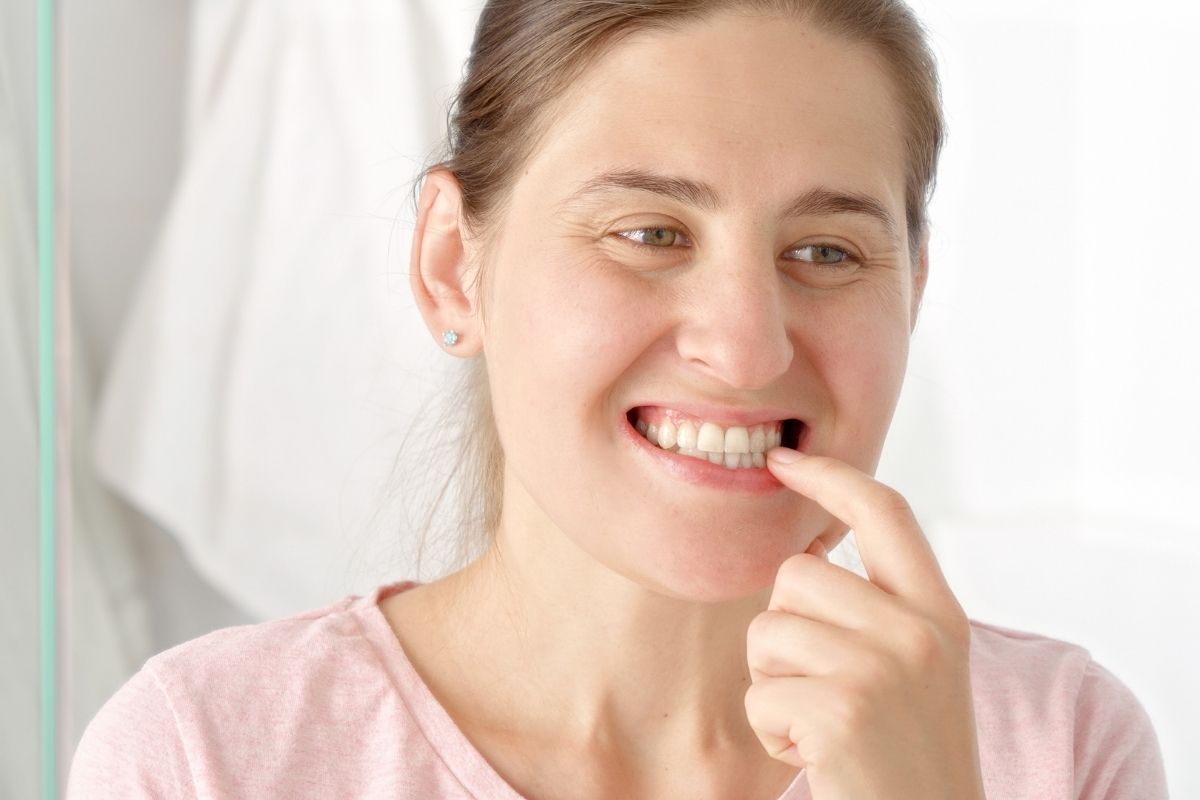
Sometimes it can become loose or shift out of place, especially if the cement holding it in place has worn down. If you notice that your capped teeth feel loose or are moving around, this is a clear sign that they need replacement. It causes discomfort and further damage to the underlying tooth.
How To Prevent Capped Teeth From Damaging?
To extend the lifespan of your dental work, maintain optimal oral hygiene by brushing and flossing consistently. Avoid biting down on hard objects, such as ice or hard candies, which can cause fractures. Routine oral exams are essential for detecting early signs of wear or misalignment. It helps for a timely intervention and prevents further damage. Regular professional care ensures long-term durability.
What Happens If You Wait Too Long To Replace Your Crown?
Delaying a dental crown replacement can lead to more severe problems. As the tooth covering ages or becomes damaged, it may allow bacteria to penetrate the underlying tooth, leading to an infection or abscess. This can result in more invasive treatments like root canals or even tooth extractions. Getting it replaced as soon as you notice any issues helps ensure you don’t need more extensive dental work down the road.
How A Professional Will Replace Your Dental Cap?
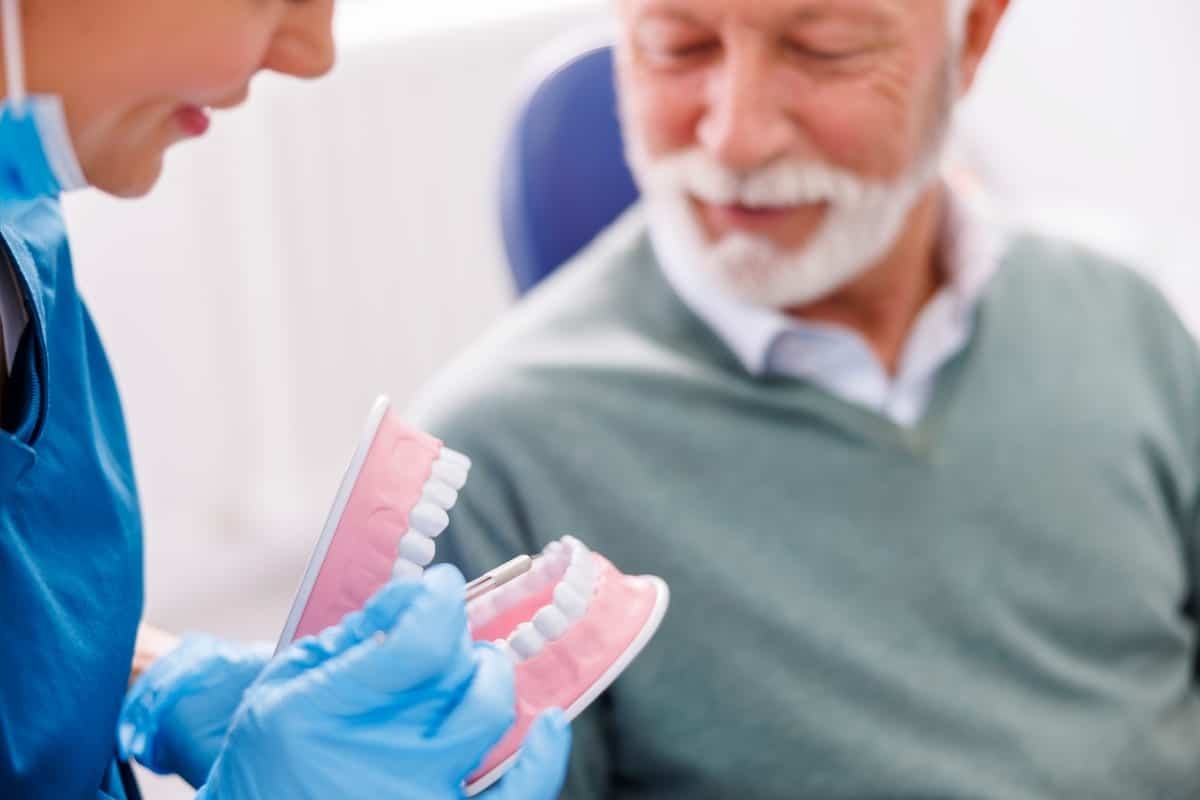
Replacing a capped tooth is a straightforward process, but it requires professional care to ensure it’s done correctly. Here’s what you can expect when you visit our dental office in Henderson:
- Examination: The dentist will first examine the cap and the tooth underneath to assess the damage. They’ll also check for any underlying issues that might need attention before deciding.
- Removal Of The Old Crown: Once any underlying problems are addressed, the old one will be carefully removed. In some cases, a local anesthetic may be used to ensure you’re comfortable throughout the process.
- Taking Impressions: After removing the cap, the professional will take impressions of your tooth to create a custom replacement that fits perfectly.
- Temporary Crown: While your permanent prosthetic crown is being fabricated, a temporary one will be placed to protect the tooth.
- Placement Of The New Crown: Once your new tooth cap is ready, it will be carefully placed over the tooth to ensure it fits comfortably and functions properly.
What Type Of Prosthetic Crowns Is Best For Long-Term Durability?
During the consultation, an oral care provider will discuss all options so you can make an informed decision. The types are:
- Porcelain-Fused-to-Metal Crowns: Ideal for back teeth, these offer a strong metal base with a natural-looking porcelain surface, providing excellent durability and aesthetics. They’re a reliable choice for long-lasting restorations.
- Zirconia Crowns: Known for their exceptional strength and wear resistance, zirconia crowns are highly durable and can withstand heavy chewing forces. They’re also more aesthetically pleasing than the metal ones.
- Full Porcelain Crowns: Ideal for those who prioritize a natural appearance. Though less durable than the metal-based ones, they’re highly aesthetic and a good option for front teeth.
- Gold Crowns: Gold is a classic material known for strength and longevity, making it an excellent choice for molars. It’s less likely to wear down and offers a long lifespan.
How To Care For Your Newly Replaced Tooth Restoration?
After the replacement, it’s important to take good care of it to extend its lifespan. Here are some tips for keeping your dental work in top condition:
- Good Oral Hygiene: Brush and floss regularly to prevent plaque buildup around the tooth cap and to maintain the health of the surrounding teeth and gums.
- Avoid Hard Foods: Be cautious with hard or sticky foods that could damage your new capped tooth. Chewing ice or hard candies could cause it to crack.
- Regular Checkups: Visit a local oral service care provider for routine checkups to ensure the cap is still in good condition. They will also address any potential issues before they become serious.
Can A Tooth Cap Be Repaired Instead Of Replaced?
In some cases, it can be repaired if it’s only slightly chipped or damaged. Minor issues like small chips or cracks may be addressed with bonding or reshaping, depending on the severity.
However, if the tooth cover is severely cracked, loose, or significantly worn, replacement is typically recommended. A professional will assess the damage and help determine whether a repair is feasible or if a replacement is necessary.
Ignoring the damage can lead to further complications. So it’s important to seek medical advice promptly to maintain the health and function of the underlying tooth.
How Do I Know If My Capped Tooth Is Causing Other Issues?
If you experience any discomfort, gum irritation, or changes in your bite, it could indicate that your dental work is no longer functioning properly. Sometimes, misalignment or movement can cause pressure on surrounding teeth and gums, leading to further complications. Always contact a nearby dentist if you suspect any issues.
Schedule Your Dental Crown Replacement Today
A precisely fitted dental crown from Green Valley Smile Care restores strength, function, and beauty to your smile with long-lasting results that exceed the national average lifespan. Our Henderson team leverages cutting-edge technology to deliver seamless, comfortable procedures—often completed efficiently so you can return to daily life swiftly. Prioritizing your health and satisfaction, we invite you to book an appointment today. We’ll check the condition of your capped tooth and offer the best solution for your smile.
Frequently Asked Questions (FAQs)
1. How long do dental crowns last?
Most of them last about 10–15 years, though with excellent care, they may last even longer. Their longevity depends on how well you maintain oral hygiene and avoid habits like grinding or chewing hard objects.
2. Can a capped tooth come off by itself?
Yes, a tooth cap can become loose or fall off if the bond deteriorates or if there’s decay at the edge of the tooth prosthesis. When this happens, it’s important to see a professional promptly to prevent further tooth damage.
3. Do dental crowns hurt once placed?
A properly fitted tooth cap should not cause pain once fully healed, though mild sensitivity or discomfort can occur initially. Persistent pain likely means adjustment or further evaluation is needed.
4. What can cause a crown to fail early?
Porcelain crowns can fail early due to excessive force, poor bonding, underlying decay, or gum recession, exposing the margins to bacteria. Identifying these issues early at checkups helps prevent complications.
5. Can a crowned tooth still get a cavity?
Yes, the tooth beneath a cap can still develop decay, especially at the gumline or where the crown meets natural enamel. Regular hygiene and checkups help catch any decay before it becomes serious.