

A healthy smile starts with the small choices you make every day. While brushing and flossing are essential, maintaining good oral health involves much more than your daily routine. Healthy eating, regular dental visits, and avoiding harmful habits all play a role in protecting your teeth and gums.
Whether you’re caring for your own smile or helping your family build healthy habits, a consistent oral care routine can lower your risk of cavities, gum disease, bad breath, and other dental problems. Here’s how you can keep your smile healthy at every stage of life.
Why Daily Oral Care Matters
Your mouth is home to millions of bacteria. While many are harmless, others can combine with food particles to form plaque—a sticky film that builds up on your teeth. If plaque isn’t removed through proper brushing and flossing, it can harden into tartar, increasing your risk of tooth decay and gum disease.
Practicing good oral hygiene every day helps:
- Prevent cavities
- Reduce the risk of gum disease
- Keep your breath fresh
- Protect tooth enamel
- Support your overall health
- Maintain a confident, healthy smile
Build a Healthy Daily Oral Care Routine
A simple, consistent routine can make a big difference in your oral health.
Brush Twice Every Day
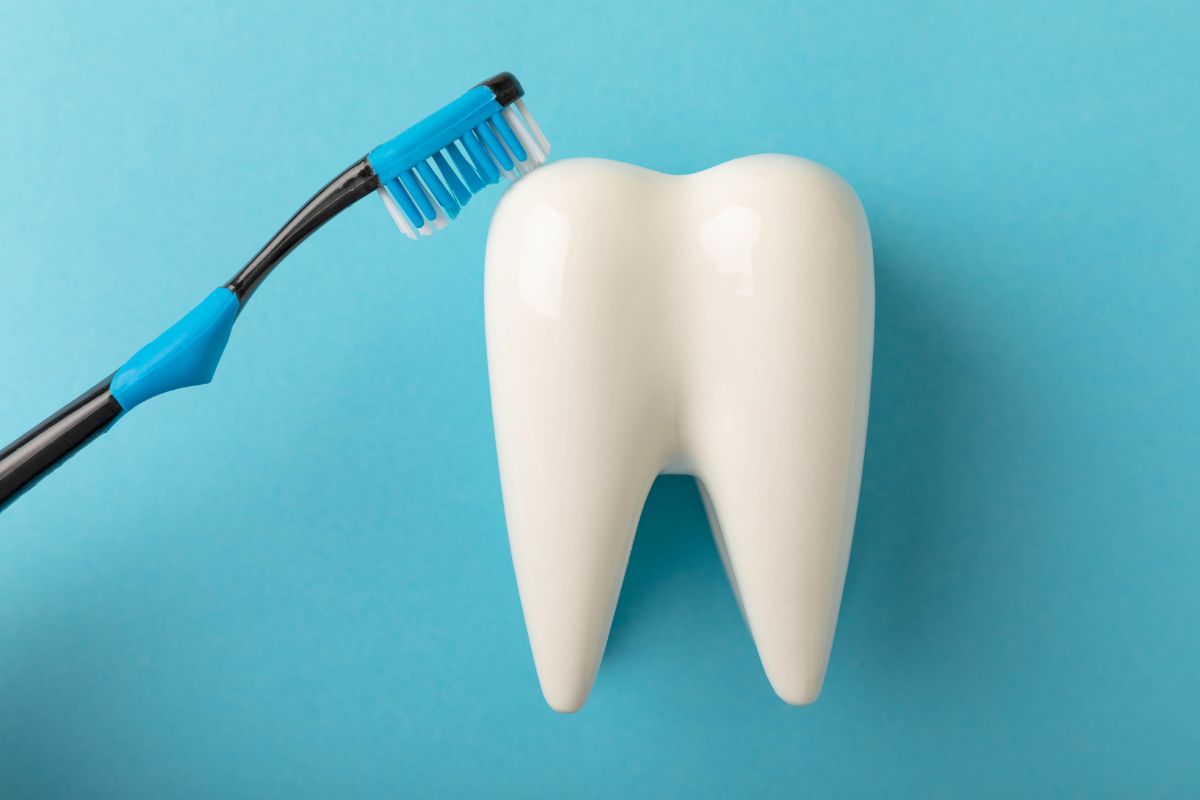
Brush your teeth every morning and before bed for at least two minutes using a soft-bristled toothbrush and fluoride toothpaste. Make sure to clean every surface of your teeth, including the front, back, and chewing surfaces.
Remember to replace your toothbrush every three to four months or sooner if the bristles become worn.
Floss Once a Day
Brushing alone cannot remove plaque and food particles trapped between your teeth. Flossing once a day helps clean these hard-to-reach areas and reduces the risk of cavities and gum disease.
If traditional floss is difficult to use, floss picks or water flossers can also be effective.
Clean Your Tongue
Bacteria can collect on your tongue and contribute to bad breath. Gently brushing your tongue or using a tongue scraper each day helps keep your mouth feeling fresh and clean.
Consider Using Mouthwash
An antimicrobial or fluoride mouthwash can help reduce bacteria, strengthen enamel, and freshen your breath. While mouthwash shouldn’t replace brushing or flossing, it can be a beneficial addition to your oral care routine.
Eat Foods That Support Healthy Teeth
Your diet has a direct impact on your oral health. Choosing nutritious foods can strengthen your teeth, while sugary snacks and drinks can increase your risk of decay.
For a healthier smile:
- Eat calcium-rich foods like milk, yogurt, and cheese.
- Include crunchy fruits and vegetables such as apples, carrots, and celery.
- Drink plenty of water throughout the day.
- Limit sugary drinks, candy, and sticky snacks.
- Avoid frequent snacking, which gives bacteria more opportunities to produce acids that attack your teeth.

Avoid Habits That Can Damage Your Smile
Even with good brushing habits, certain behaviors can harm your teeth over time.
Try to avoid:
- Smoking or using tobacco products
- Chewing ice or hard objects
- Using your teeth to open packages
- Nail biting
- Excessive consumption of sugary or acidic beverages
If you grind or clench your teeth while sleeping, ask your dentist whether a custom nightguard may help protect your smile.
Healthy Smiles at Every Age
Good oral care is important throughout every stage of life.
Children
Teach children proper brushing and flossing habits early. Encourage healthy snacks and schedule regular dental visits to monitor their growing smiles.
Teenagers
Teens should maintain consistent oral hygiene, especially if they wear braces or aligners. Limiting sugary drinks and energy beverages can also help prevent cavities.
Adults
Busy schedules can make it easy to skip dental care, but daily brushing, flossing, and regular dental checkups remain essential for preventing oral health problems.
Older Adults
As we age, dry mouth, gum recession, and worn teeth become more common. Seniors should continue regular dental visits and discuss any changes in their oral health with their dentist.
Make Oral Care a Family Habit
Building healthy routines together can make oral care easier and more enjoyable for everyone.
Simple ways to encourage family oral health include:
- Brush together as a family, especially with young children.
- Replace toothbrushes every three to four months.
- Keep healthy snacks available at home.
- Schedule dental checkups for the entire family.
- Lead by example by maintaining your own oral hygiene routine.
Healthy habits learned early often last a lifetime.
Don’t Skip Regular Dental Checkups
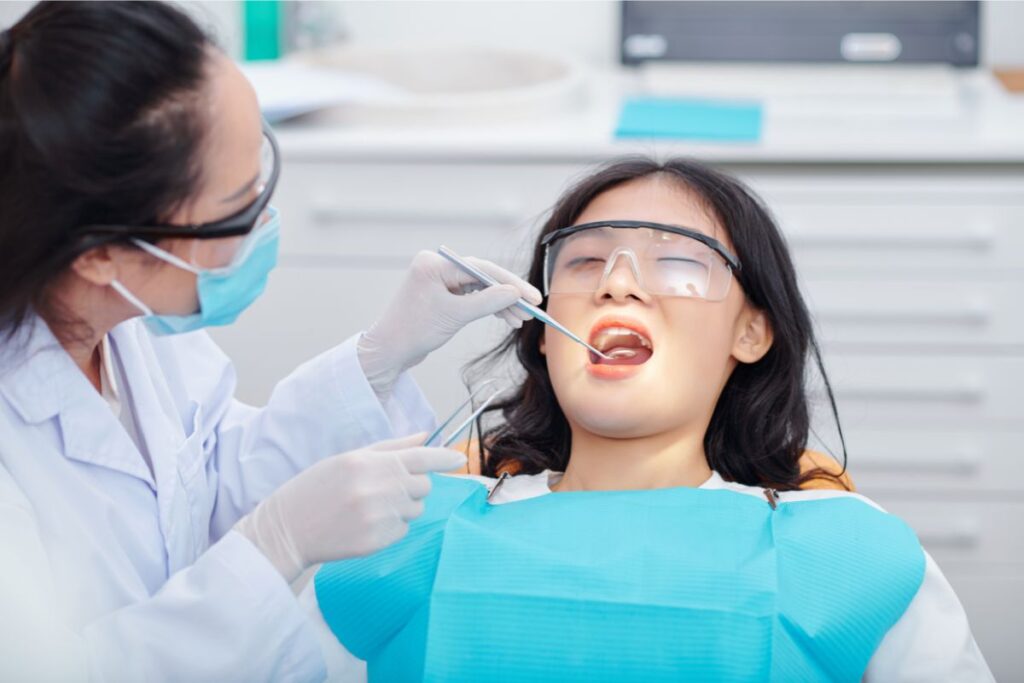
Even excellent home care can’t remove hardened tartar or detect every dental problem. Visiting an oral health professional every six months allows for professional cleanings and early detection of issues before they become more serious.
Routine dental visits can help identify:
- Cavities
- Gum disease
- Worn or cracked teeth
- Oral infections
- Early signs of oral cancer
Preventive care is often simpler, more comfortable, and more affordable than treating advanced dental problems.
Signs You Should Schedule a Dental Visit
Don’t ignore symptoms that could indicate an underlying dental issue. Contact your dentist if you notice:
- Tooth pain or sensitivity
- Bleeding gums
- Persistent bad breath
- Swollen or red gums
- Loose teeth
- Mouth sores that don’t heal
- Pain when chewing
Seeking care early can help prevent more complex treatments later.
Keep Your Smile Healthy Every Day
Healthy teeth and gums don’t happen by chance—they’re the result of consistent daily care and regular preventive dental visits. By brushing and flossing every day, eating a balanced diet, avoiding harmful habits, and scheduling routine checkups, you can protect your smile for years to come.
If it’s been a while since your last dental visit, the team at Green Valley Smile Care is here to help you maintain excellent oral health with personalized preventive care for every member of your family.
Frequently Asked Questions :
How often should I brush my teeth?
Brush at least twice a day for two minutes using fluoride toothpaste.
Is flossing really necessary?
Yes. Flossing removes plaque and food debris from between your teeth where a toothbrush cannot reach.
How often should I visit the dentist?
Most people benefit from dental exams and professional cleanings every six months, although your dentist may recommend a different schedule based on your oral health.
What foods are best for healthy teeth?
Calcium-rich dairy products, leafy greens, crunchy fruits and vegetables, and plenty of water all support healthy teeth and gums.