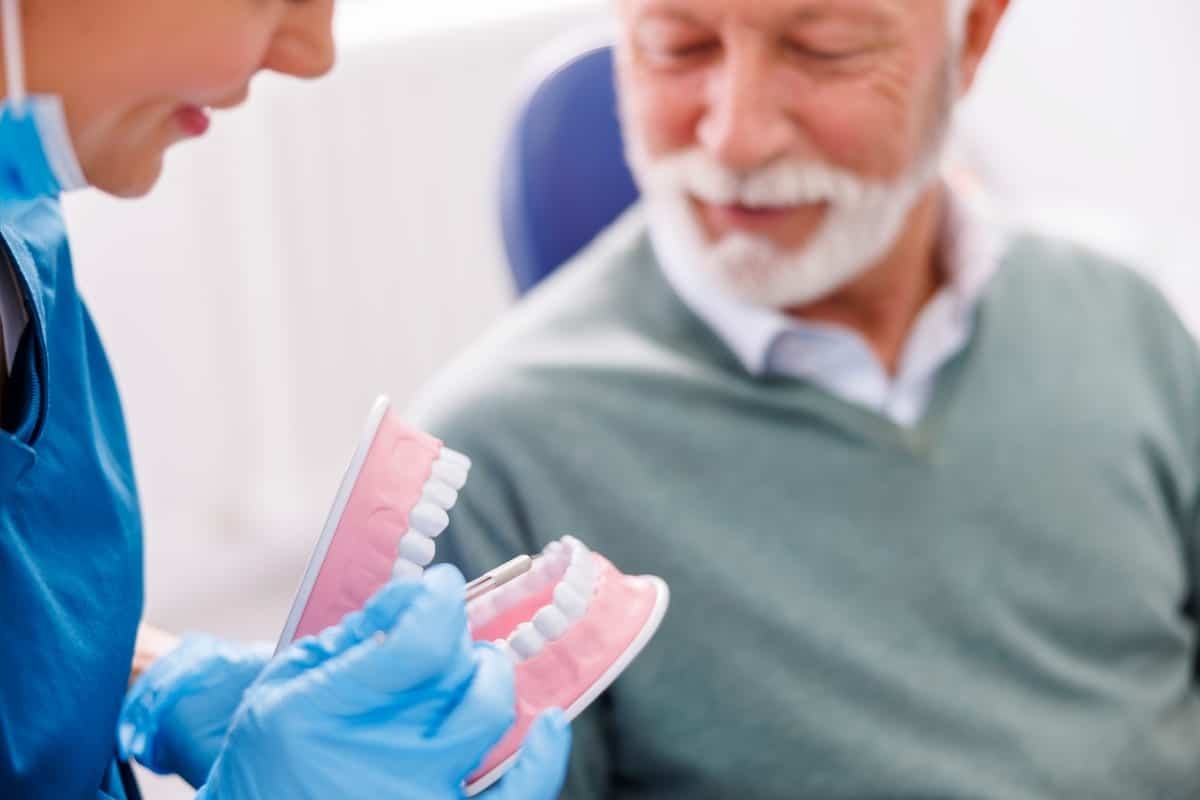



The health of your front teeth is quite important when it comes to keeping a bright and healthy smile. Since people frequently notice your front teeth first, any flaws might negatively impact your confidence. Dental crowns are one efficient method of restoring broken or flawed front teeth. We’ll go over all you need to know about dental crowns for front teeth in this blog, including their advantages, how they work, and what to anticipate.
What Are Dental Crowns?
Dental crowns cover teeth that are decaying or broken. They offer strength and durability while restoring the tooth’s size, shape, and appearance. Many materials, including porcelain, ceramic, metal, or a mix of these, are commonly used to make crowns. Because they may be color-matched to your actual teeth, porcelain and ceramic ones are especially popular for front teeth because they provide a smooth, natural appearance.
Benefits of Dental Crowns for Front Teeth
- Aesthetic Improvement: By concealing flaws including chips, cracks, discoloration, and malformed teeth, dental crowns can dramatically improve the appearance of front teeth.
- Durability: With the right maintenance, they are strong and can endure for many years. They shield the tooth underneath from additional deterioration and wear.
- Strength: A crown strengthens a tooth that is weak and allows it to be used for chewing and biting without causing pain or running the risk of breaking further.
- Natural Appearance: Ceramic and porcelain crowns are made to look as natural as possible, giving you a realistic and attractive smile.
The Procedure for Getting Dental Crowns
A dental crown usually requires two dental appointments to be completed. Things you should be prepared for at each stage of the procedure is as follows:
- First Consultation: Your dentist will examine your teeth and decide whether a dental crown is the proper course of action for you at this initial appointment. To make sure that the treatment plan meets both your dental health and aesthetic goals, this consultation is essential.
- Preparation: The dentist will remove any decay and shape the tooth to fit the crown if it is found to be necessary. This step may involve taking impressions of your teeth, which are sent to a dental lab to create a custom crown that fits perfectly.
- Temporary Crown: Your dentist will cover the prepared tooth with a temporary crown to protect it while the permanent crown is being created. You can continue to look and function normally until your next appointment with the help of our temporary crown.
- Fitting Process: The permanent crown will be fitted by your dentist, who will take out the temporary crown and examine the new crown’s fit and color. To make sure it matches the neighboring teeth and fits comfortably, adjustments may be done. The crown is then firmly fixed in position with a potent adhesive.
- Final changes: Your dentist will make any necessary changes to provide a comfortable bite and a natural-looking crown after it has been firmly placed. Additionally, they will provide you guidelines on how to care for your new crown to ensure its longevity.
Caring for Your Dental Crowns
In order to extend the lifespan, proper maintenance and care are necessary. Here are some pointers to remember:
- Maintaining Good Oral Hygiene: To keep your mouth healthy, brush and floss your teeth on a regular basis. This keeps gum disease and decay at bay, which can shorten the life of your crowns.
- Steer clear of firm Foods: Foods that are sticky or firm should be avoided as they may harm your crown. Even though crowns are strong, using too much force might still harm them.
- Frequent dental examinations: Your crowns and general oral health will be monitored if you see your dentist on a regular basis. He/she is able to identify possible problems early on and treat them appropriately.
- Avoid Grinding: If you grind your teeth at night, consider using a nightguard. Grinding can wear down or damage your crowns over time.
Potential Issues with Dental Crowns
Although dental crowns are typically a dependable and efficient treatment option for front teeth, there are a few possible risks to be aware of:
- Sensitivity: After receiving a crown, some people become more sensitive to heat or cold. Typically, this is just temporary and can be treated with sensitive toothpaste.
- Crown Loosening: When a crown becomes loose, it can cause pain and perhaps harm the tooth underneath. If you detect any looseness, you must make an immediate appointment with your dentist.
- Chipping or Cracking: Crowns have the unusual potential to chip or shatter, especially if they are composed of porcelain. Get in touch with your dentist for an assessment and possible replacement or repair if this occurs.
In Summary
A great way to improve the look and feel of your smile is with dental crowns on your front teeth. They have many advantages, such as increased strength, durability, and beauty. You can expect many years of use out of it if you know what to do and take care of them properly.
Seeking to have dental crowns placed on your front teeth? Don’t be hesitant to speak with a Henderson dentist with a good reputation. They are able to offer the professional advice and attention required to produce a stunning, healthy smile. Dental crowns have the potential to significantly improve both your overall confidence and oral health when paired with the appropriate strategy and expert assistance.