
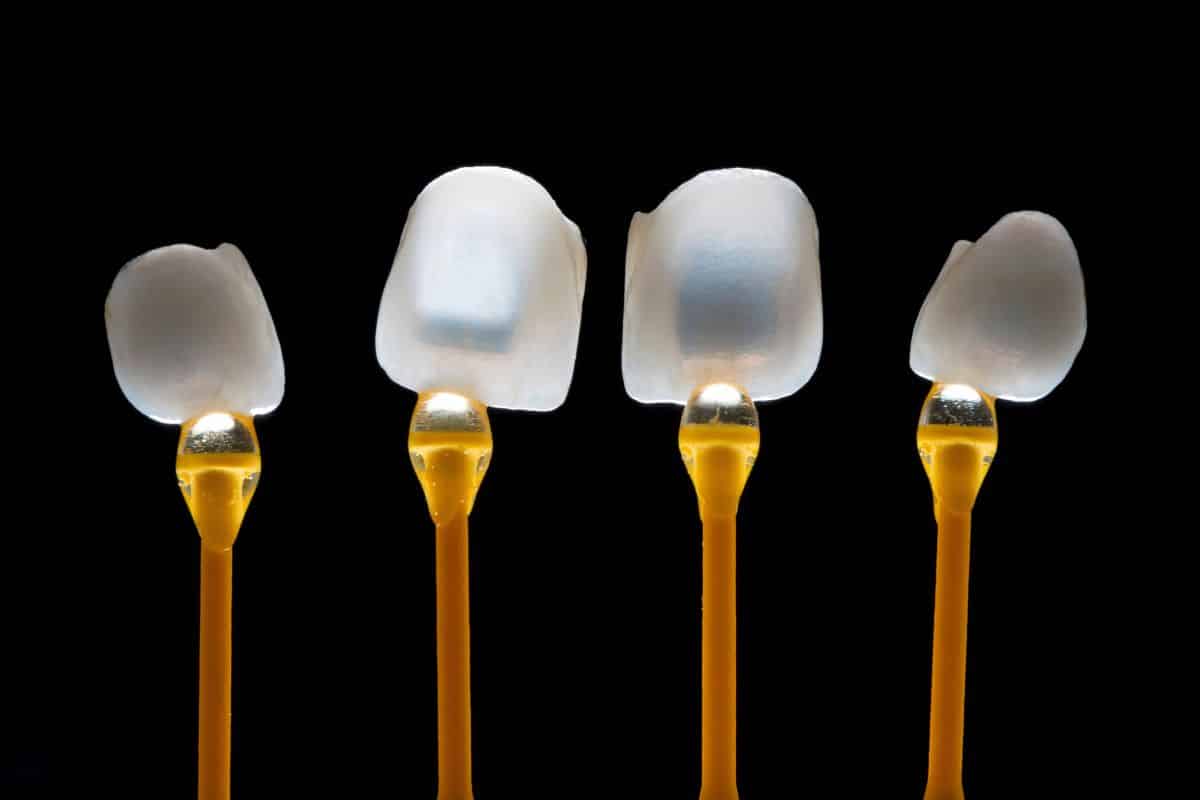
Dental crowns are a common dental restoration used to cover and protect a damaged tooth. However, despite their durability, crowns can sometimes break. A broken dental crown can cause discomfort, affect your ability to chew, and even lead to further dental issues if not addressed promptly. This blog aims to provide a comprehensive understanding of broken dental crowns, including their causes, treatment options, and preventive measures.
Causes of a Broken Dental Crown
Several factors can contribute to the breaking of a dental crown. Understanding these causes can help you take better care of your dental restorations and avoid potential issues.
1. Wear and Tear: Like natural teeth, dental crowns are subject to wear and tear over time. Regular use, especially in the case of molars used for chewing, can weaken the crown, making it more susceptible to breaking.
2. Accidental Trauma: An accidental blow to the face or mouth can easily cause a dental crown to crack or break. This could result from sports injuries, falls, or other impacts.
3. Tooth Decay: If the tooth underneath the crown decays, it can compromise the crown’s stability. Decay weakens the tooth’s structure, making it more likely for the crown to break.
4. Biting on Hard Objects: Chewing on hard objects such as ice, hard candy, or non-food items like pens can put excessive pressure on the crown, leading to fractures or breaks.
5. Poor Fit: A poorly fitted crown can create uneven pressure points, increasing the risk of breakage. Proper fitting by a skilled dentist is crucial to ensure the crown’s longevity.
6. Grinding and Clenching: Bruxism, or the habit of grinding or clenching your teeth, can exert tremendous force on both your natural teeth and dental crowns. Over time, this can cause the crown to crack or break.
How to Know Dental Crowns Are Broken?
Identifying a broken dental crown promptly is essential to prevent further complications. Some common symptoms include:
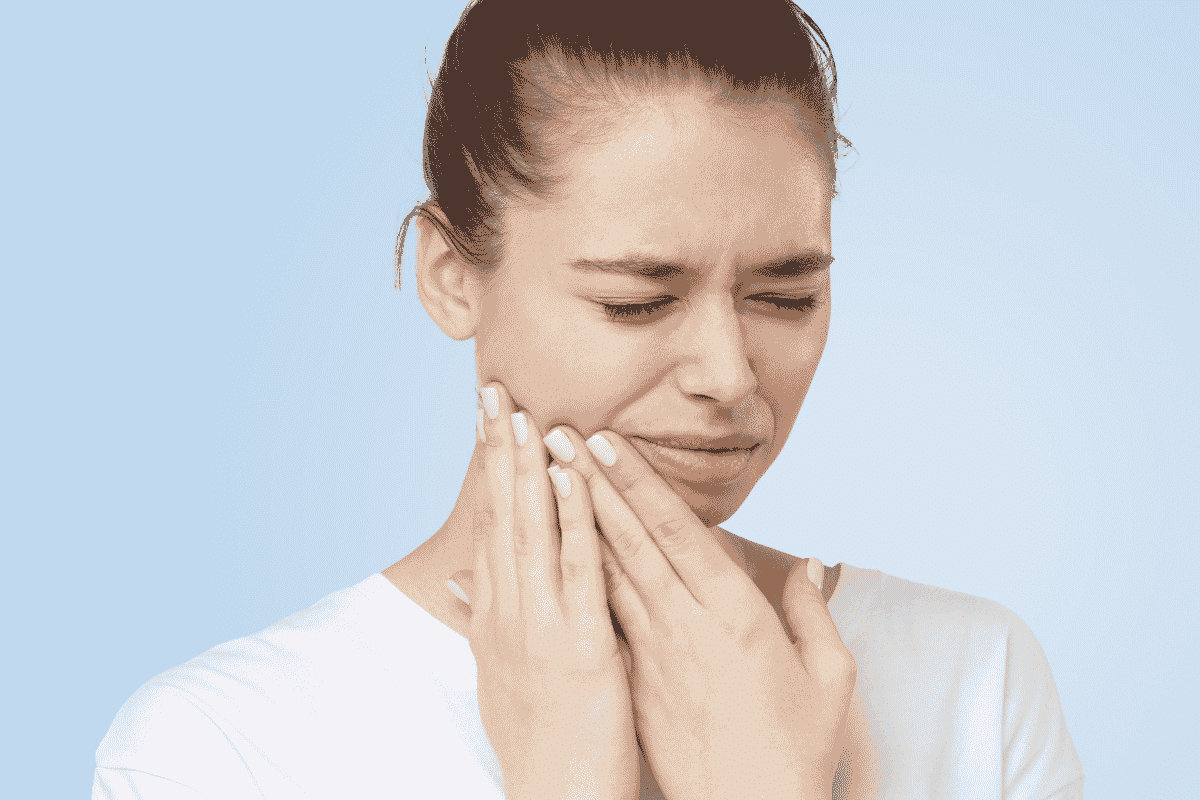
- Pain or Sensitivity: You may experience pain or sensitivity in the affected tooth, especially when chewing or drinking hot or cold beverages.
- Visible Damage: In some cases, you can see visible cracks or chips on the crown.
- Loose Crown: If the crown feels loose or moves when you touch it with your tongue, it might be broken or detached from the underlying tooth.
- Bad Taste or Odor: A broken crown can sometimes trap food particles, leading to a bad taste or odor in your mouth.
What to Do if Your Dental Crown Breaks?
If you suspect that your dental crown is broken, it’s important to take prompt action to prevent further damage and discomfort.
- Schedule a Dental Appointment: Contact your dentist as soon as possible to schedule an appointment. Early intervention can help save the crown and prevent further complications.
- Avoid Using the Affected Tooth: Try to avoid chewing on the side of your mouth where the broken crown is located. This can help prevent additional damage to the crown and the underlying tooth.
- Keep the Area Clean: Maintain good oral hygiene by gently brushing and flossing around the affected area. This helps prevent food particles from getting trapped and causing infection or decay.
- Use Temporary Dental Cement: If the crown is loose or detached, you can use over-the-counter temporary dental cement to hold it in place until you can see your dentist. This is a temporary solution and should not replace professional dental care.
Treatment Options for a Broken Crown
Your dentist will assess the extent of the damage to determine the best course of treatment. Depending on the severity of the break the following options are considered:
- Crown Repair: If the damage is minor, your dentist might be able to repair the crown using dental bonding materials. This involves filling in cracks or chips with composite resin to restore the crown’s appearance and function.
- Crown Replacement: In cases where the crown is extensively damaged or cannot be repaired, a new crown may be necessary. Your dentist will remove the old crown, prepare the tooth, and fit a new crown, ensuring a proper fit and alignment.
- Root Canal Treatment: If the underlying tooth is damaged or infected, a root canal treatment might be required before placing a new crown. This involves removing the infected pulp, cleaning the tooth’s interior, and sealing it to prevent further infection.
- Extraction and Implant: In severe cases where the tooth cannot be saved, your dentist may recommend extracting the tooth and replacing it with a dental implant. This involves surgically placing a titanium post into the jawbone, which acts as a foundation for a replacement tooth or crown.
Preventing Dental Crown from Breaking
Even while it’s not possible to stop every broken crown, there are steps you can do to lessen the chance of damage and extend the life of your dental work.
- Practice Good Oral Hygiene: Regular brushing and flossing help maintain the health of your natural teeth and dental restorations. Use a soft-bristled toothbrush and fluoride toothpaste to keep your teeth and gums healthy.
- Avoid Hard Foods: Steer clear of chewing on hard foods and objects that can exert excessive pressure on your crowns. Opt for softer foods and be mindful when eating hard or sticky items.
- Wear a Mouthguard: If you participate in contact sports or have a habit of grinding your teeth, wearing a mouthguard can provide an extra layer of protection for your crowns and natural teeth.
- Regular Dental Check-ups: Visit your dentist regularly for check-ups and cleanings. Regular examinations can help detect potential issues early, allowing for timely intervention and maintenance of your dental crowns.
- Address Bruxism: If you grind or clench your teeth, talk to your dentist about treatment options. Wearing a nightguard or exploring stress-relief techniques can help reduce the strain on your crowns.
In Summary
Having a broken dental crown can be a frustrating and uncomfortable experience. With prompt action and proper care, you can address the issue effectively. Understanding the causes and symptoms of broken crowns, knowing what to do if it happens, and taking preventive measures can help you maintain a healthy and functional smile. Remember to consult with your dentist regularly to ensure the longevity of your dental restorations and overall oral health.
If you feel that your your crowns are broken contact Green Valley Smile Care, Henderson, NV 89014. Our dentist in Henderson will take prompt action to give you the care your need.