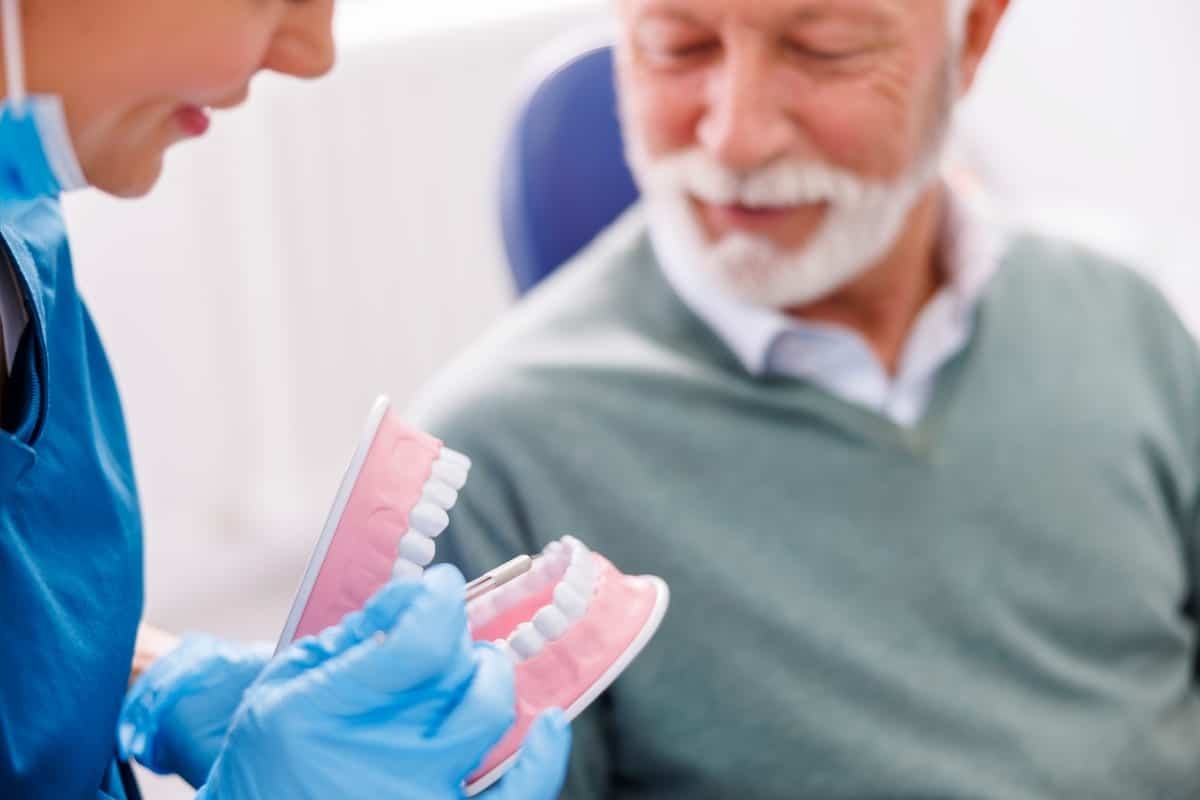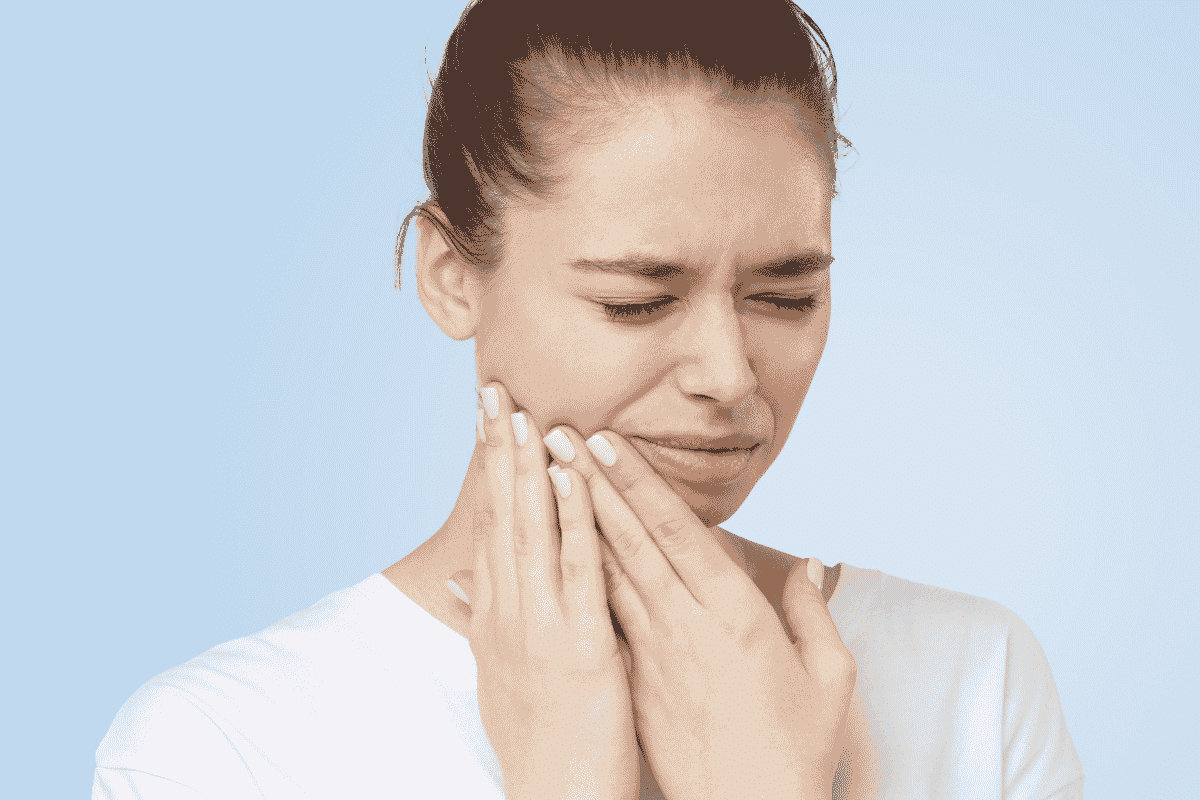



When people hear the words root canal, the first thought is often about the procedure itself. In reality, many patients are more curious about what happens afterward. Recovery is usually straightforward, and knowing what the healing process looks like can help you feel more comfortable and prepared.
A root canal removes infected tissue from inside the tooth and seals the inner chamber to prevent further damage. Once the treatment is completed, the surrounding tissues begin to settle and heal. Most patients notice that the intense pain they had before treatment is gone because the source of the infection has been removed.
For many individuals, Root canal dental treatment provides long-term relief while allowing the natural tooth to remain in place. After the procedure, your focus shifts to giving the area time to recover and following a few simple care steps.
What You May Notice After Treatment
Right after the procedure, the treated tooth and nearby gums may feel slightly sensitive. This response is normal because the tissue around the tooth has been through treatment.
Some common experiences during the first day include:
- Mild soreness around the treated tooth
- Slight sensitivity when biting down
- Temporary numbness while anesthesia wears off
- Minor tenderness in the surrounding gum area
These sensations are usually temporary. Many patients return to work or daily activities the next day without difficulty.
How Long Does Healing Usually Take
The recovery timeline varies by person, but most people begin to feel better within a few days. The tissues around the tooth typically calm down within about a week.
Several factors can influence how quickly healing occurs:
- The condition of the tooth before treatment
- The extent of infection that was present
- Personal healing response
- Following proper aftercare instructions
In some cases, a crown will be placed on the treated tooth during a follow-up visit. This helps protect the tooth and restore full chewing strength.
Practical Steps That Help Recovery
Taking small precautions after treatment can support faster healing and reduce discomfort. These habits help protect the treated tooth while it stabilizes.
Helpful recovery practices include:
- Avoid chewing on the treated side during the first day
- Eat softer foods until the tooth feels comfortable
- Continue brushing and flossing carefully
- Stay hydrated throughout the day
- Follow any instructions provided by your dentist
Consistent oral hygiene remains one of the most important factors in maintaining long term dental health.
When to Reach Out to Your Dentist
Although recovery usually progresses without complications, it is important to be aware of symptoms that may need professional attention.
Contact your dentist if you notice:
- Pain that becomes stronger instead of improving
- Swelling that continues for several days
- Difficulty biting that does not ease over time
- A small bump or drainage near the treated tooth
These situations are uncommon, but prompt evaluation ensures everything heals properly.
What Happens Once Healing Is Complete
After recovery, the treated tooth should function much like your other teeth. Most patients are able to chew comfortably again and return to their usual routines.
Maintaining your oral health will help protect the treated tooth for years to come. Regular dental visits, daily brushing, and flossing all contribute to long-term success.
Take the Next Step Toward Lasting Tooth Relief
Persistent tooth pain should never be ignored. Proper treatment can remove the infection and help you regain comfort while preserving your natural tooth.
The team at Green Valley Smile Care is dedicated to guiding patients through every stage of care, from diagnosis to recovery. Visit our dental clinic in henderson nv to receive professional guidance and compassionate treatment tailored to your needs. Your healthier smile can start with a single appointment.
Quick Answers to Common Recovery Questions
Many patients have similar questions after treatment. Here are a few helpful answers.
How long does soreness last after a root canal?
Mild soreness typically lasts a few days and gradually improves as the surrounding tissue settles.
Can I eat right away after the procedure?
It is best to wait until numbness wears off. After that, start with soft foods and slowly return to your normal diet.
Is it normal for the tooth to feel sensitive?
Yes. Slight sensitivity during the first few days is common and usually fades as healing continues.
Should I brush around the treated tooth?
Yes. Gentle brushing and flossing help keep the area clean and support proper healing.
Will the treated tooth last a long time?
With good oral care and regular checkups, a treated tooth can remain functional for many years.