


Tooth pain can range from mild discomfort to sharp, immense sensations that make daily life difficult. While some discomfort may be temporary, severe or persistent tooth pain could signal an underlying problem requiring professional care.
One common dental procedure that is often needed to address this type of pain is root therapy. For people, understanding when a root treatment is necessary can save both your smile and your peace of mind. With attractions like Hoover Dam and events like the Henderson Heritage Parade, no one wants a painful toothache. If you’re experiencing discomfort, it’s crucial to know when it’s time to get root canal therapy.
What is a Root Canal?
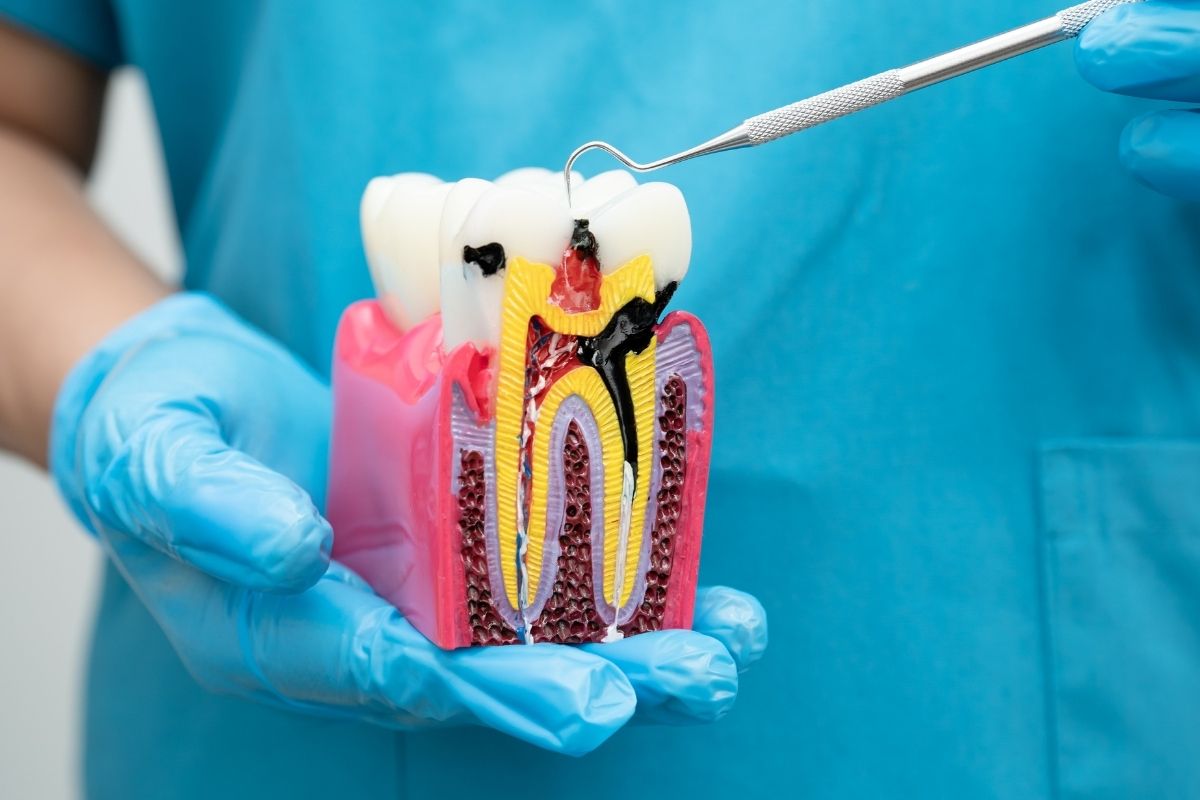
Root treatment is a dental procedure designed to treat infection or damage within the tooth’s pulp. The soft tissue inside the tooth that contains nerves and blood vessels. This therapy is often the last line of defense in saving a tooth that would otherwise need to be extracted.
When the pulp becomes infected or inflamed due to deep cavities, cracks, or trauma, a root treatment helps remove the infected tissue, clean the interior of the tooth, and seal it to prevent further issues. By doing so, it can preserve the tooth and alleviate the pain caused by the infection. Whether you’re at the local dining spots or attending festivals like the Henderson Symphony Orchestra’s Summer Concerts, you can still participate fully.
When Should You Consider Root Canal Treatment?
Root treatment isn’t always necessary, but there are certain signs that indicate it might be time for treatment. Keep an eye out for the following:
- Severe Tooth Pain: This pain can worsen when chewing or touching the tooth. The discomfort may be spontaneous or constant.
- Tooth Sensitivity: Extreme sensitivity to hot or cold, especially if the pain lingers even after the source is removed, can signal pulp damage.
- Swelling and Tenderness: Swelling near the tooth, often accompanied by tenderness in the gums, may indicate an infection inside the tooth.
- Darkened Tooth: A tooth that changes color may be a sign that the pulp is damaged or infected.
- Pimple on the Gums: A pimple-like bump on the gums could be a sign of an abscess, indicating infection at the root of the tooth.
Signs You Need to Visit the Dentist
If you experience any of these symptoms, it’s important to schedule a visit to your dental professional without delay. Many residents find themselves in need of dental care due to local events, changing weather conditions, or even stress-related habits that impact oral health. Whether it’s a busy day at Green Valley Ranch or the park, don’t let a toothache spoil it.
How Root Canal Treatment Works?
These are the steps:
Step 1: Diagnosis
Your dental practitioner will conduct a thorough examination, possibly taking X-rays to understand the extent of the damage or infection. This helps in determining if this is the right treatment for you.
Step 2: Cleaning the Root Canals
Once confirmed, your dental care service provider will numb the area and create an opening in the tooth to access the pulp. They will carefully remove the infected tissue and clean the inner chamber.
Step 3: Sealing the Tooth
After the infection is cleared, the dental professional will seal the tooth with a rubber-like material to prevent further infections. This process often requires placing a crown over the tooth to restore its shape and function.
Step 4: Recovery
Most patients feel relief from pain immediately after the procedure. Some mild discomfort might occur in the following days as the tissue heals, but this is temporary.
Common Misconceptions About Root Canal Treatment
There are several myths surrounding root therapy that can make people hesitant to seek treatment. Let’s clear up a few of these misconceptions:
- Root treatments are painful: Contrary to popular belief, the procedures are no more painful than other dental treatments. Local anesthesia ensures the process is pain-free.
- Root therapy is always a last resort: While it’s true that extraction might seem like the only option in severe cases, root therapy is often the best choice to save a damaged tooth.
- It’s unnecessary to treat a tooth with a root treatment: Ignoring the need for root therapy can lead to worsening pain, abscesses, or even tooth loss. It’s better to address the issue sooner rather than later.
Get Relief from the Toothache with Us
Experiencing tooth pain can be unsettling, especially if you’re unsure whether it’s serious or just a temporary issue. However, if you notice signs like persistent pain, swelling, or sensitivity, it might be time to visit our dental clinic in Henderson for an evaluation. Therapy can alleviate your pain and save your tooth, allowing you to continue enjoying your life in this vibrant community.
If you’re dealing with severe tooth pain, don’t wait too long to seek treatment. Green Valley Smile Care’s Brian G. Sanford, DDS, guides you through root canal therapy to keep your smile healthy.
FAQs
What happens if a root therapy is delayed?
Delaying a root treatment can worsen the infection, leading to an abscess or severe pain. In some cases, the infection can spread to surrounding teeth or the jawbone, requiring more intensive treatment.
How long does a root canal take?
A typical root treatment procedure can take one to two hours, depending on the complexity of the case. You may need multiple appointments if the infection is severe.
Can you eat after a root therapy?
It is best to avoid chewing on the treated tooth until it is fully restored with a crown. Soft foods are recommended until your dentist completes the final restoration.
How do you know if your tooth needs a root treatment or an extraction?
A thorough examination and X-rays will help your dentist determine whether root therapy or extraction is necessary. The goal is always to save your natural tooth if possible.
Is there any special care after a root treatment?
After the procedure, avoid chewing hard foods on the treated tooth until it’s fully restored. Practicing good oral hygiene and following your dentist’s instructions is essential for a smooth recovery.