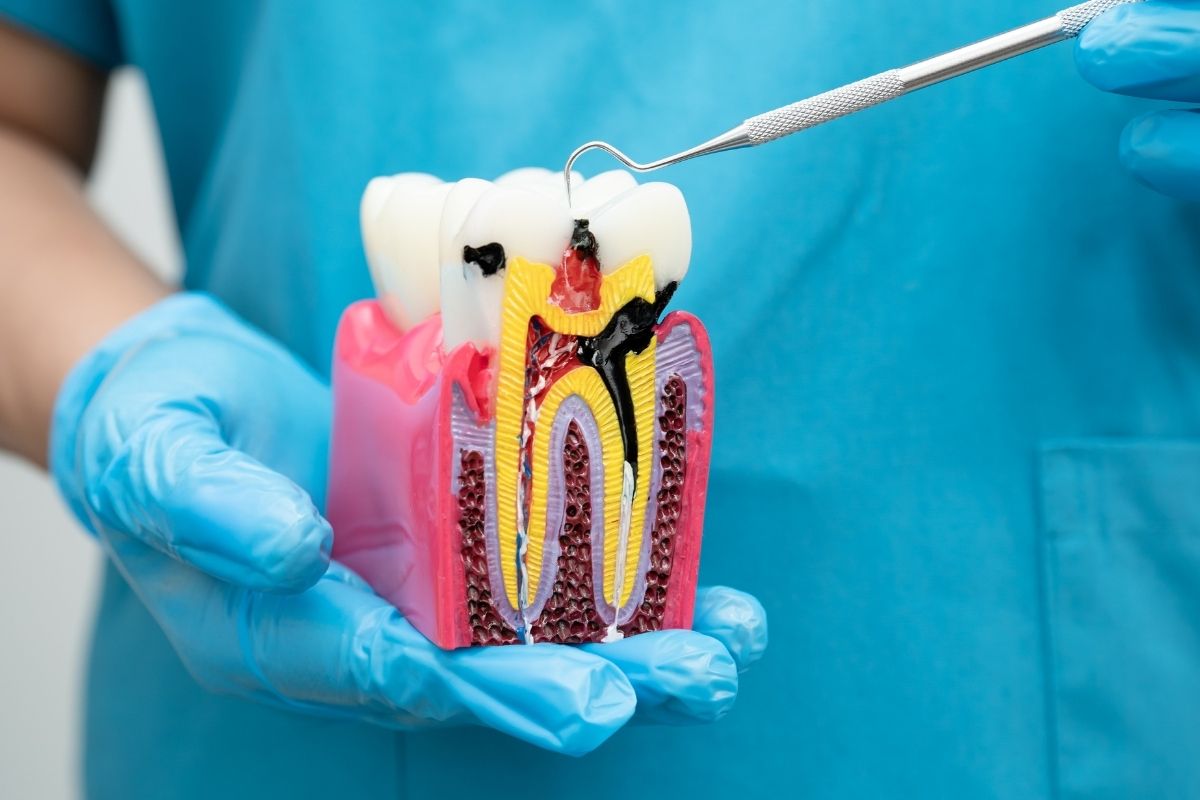



When a tooth starts causing pain or shows signs of infection, many people immediately worry about losing it. But losing a tooth isn’t always the best solution. Root canal therapy is designed to save your natural tooth, maintain your bite, and protect your long-term oral health. Understanding when to save a tooth versus remove it is key to making the right choice for your smile.
Why Root Canal Therapy Should Be Your First Choice
Root canal therapy focuses on removing infection from inside the tooth while preserving its structure. Instead of pulling the tooth, a dentist carefully cleans and seals the inner canals, restoring the tooth’s function and health.
Benefits of Choosing Root Canal Therapy
- Preserves your natural tooth – Maintaining your own tooth helps with chewing, speaking, and jawbone health.
- Prevents shifting of surrounding teeth – Saving the tooth avoids alignment issues that can occur after extraction.
- Long-lasting results – With proper care, a tooth treated with a root canal can last a lifetime.
- Minimally invasive – Modern techniques make the procedure comfortable, often similar to getting a filling.
When Root Canal Therapy Makes Sense
- Deep decay or infection confined to the tooth pulp.
- Cracks or fractures that don’t compromise the tooth’s foundation.
- Failed dental work, like a filling or crown, can be restored.
Root canal therapy not only resolves pain and infection but also keeps your smile intact, making it the go-to solution whenever feasible.
Understanding Tooth Extraction
While saving a tooth is usually preferred, extraction becomes necessary when the tooth is too damaged or the infection is uncontrollable.
Reasons an Extraction Might Be Necessary
- Extensive decay or structural damage that can’t be repaired.
- An infection that threatens nearby teeth or overall oral health.
- Space management for orthodontic reasons.
After extraction, replacement options such as dental implants or bridges can restore function and appearance, though they require additional procedures and healing time.
Key Points to Consider When Choosing
- Longevity – Root canal therapy preserves your natural tooth, which can last decades. Extractions need replacements for long-term dental stability.
- Bone health – Keeping the tooth maintains the jawbone and prevents facial changes over time.
- Recovery – Root canals typically involve minimal discomfort and a quick recovery. Extractions may require more time to heal.
- Cost and convenience – Root canal therapy may take multiple visits, but it avoids the extra procedures needed after extraction.
Protect Your Smile with Expert Care
Root canal therapy often allows you to save your natural tooth and maintain your oral health without complicated follow-ups. The team at Green Valley Smile Care in Henderson specializes in evaluating each situation and guiding you toward the solution that best preserves your smile. Schedule your consultation today and take the first step toward keeping your teeth healthy, strong, and pain-free.
FAQs :
Q: Is a root canal painful?
A: Modern root canal therapy is almost painless, often no worse than getting a filling.
Q: How long does a treated tooth last?
A: A tooth with a successful root canal can last a lifetime with proper care.
Q: Can every tooth be saved?
A: Not always. Severe damage or infection may require extraction.
Q: How fast is recovery after extraction?
A: Most patients heal within 1–2 weeks, but full jawbone recovery can take longer if a replacement is planned.