


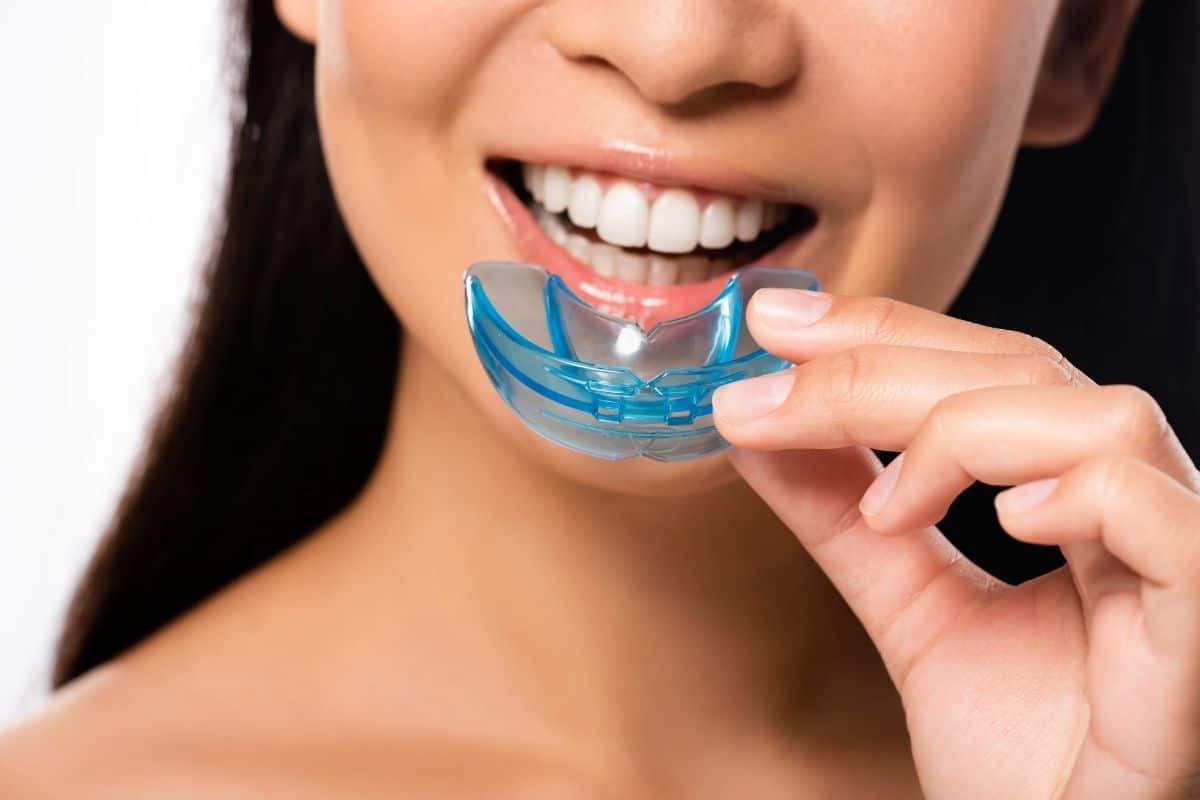
If you wear a mouthguard regularly, cleaning it after each use helps remove bacteria, saliva, food particles, and buildup that can affect both the appliance and your oral health. The best approach is simple: rinse it after wearing, gently brush it with a soft toothbrush, clean it with a suitable cleanser, and let it dry completely before storing it.
Why Cleaning Your Mouthguard Matters
Your mouthguard spends a lot of time inside a warm, moist environment. That makes it easy for bacteria and other microorganisms to collect on its surface. If you put it away while it is still dirty or damp, buildup can develop over time.
Regular cleaning can help:
- Reduce unpleasant odors and tastes
- Remove food particles and residue
- Keep the appliance looking and feeling cleaner
- Reduce bacterial buildup
- Help maintain the appliance
- Make wearing it more comfortable
Cleaning also gives you a chance to inspect the appliance. Cracks, rough edges, holes, or changes in its shape may mean it needs to be replaced.
How to Clean Your Mouthguard Properly
You do not need an elaborate routine. Follow these steps after each use.
1. Rinse It Right Away
After removing the appliance, rinse it thoroughly under cool or lukewarm water. This helps wash away saliva and loose debris before they have time to dry onto the surface.
Avoid hot water. Heat can change the shape of some appliances, which may affect how they fit.
2. Gently Brush the Surface
Use a separate soft toothbrush to clean the inside and outside surfaces. Brush gently and reach into grooves where residue can collect.
You generally do not need regular toothpaste for this step. Many toothpastes contain abrasive ingredients that can scratch the material. Scratches can create additional areas where debris and microorganisms can collect.
3. Use a Suitable Cleaning Solution
For deeper cleaning, use a product specifically designed for dental appliances, following the manufacturer’s instructions. Depending on the type of appliance, soaking it periodically may help remove buildup that brushing alone does not eliminate.
Do not use household cleaners, bleach, alcohol, or other harsh chemicals unless your dental professional specifically recommends them. These substances may damage the material or leave unwanted residue.
4. Let It Air Dry Completely
After cleaning, place the appliance somewhere clean and allow it to dry completely. Keeping it damp inside a closed container can encourage microbial growth and create an unpleasant odor.
Once it is dry, place it in its ventilated storage case.
How Often Should You Clean It?
Clean your appliance every time you use it. A quick rinse immediately after wearing it and gentle brushing can become part of your normal oral care routine.
A deeper cleaning can be done according to the manufacturer’s instructions or your dentist’s recommendation. If you use it every night, consistent cleaning becomes especially important because the appliance comes into contact with your teeth and gums for several hours at a time.
What Should You Avoid?
Some common cleaning habits can cause more harm than good.
Avoid:
- Very hot or boiling water
- Abrasive toothpaste
- Rough brushes
- Household cleaning products
- Bleach unless specifically recommended
- Leaving it exposed to direct heat or sunlight
- Storing it while it is still wet
- Sharing it with another person
If you are unsure whether a particular cleaning product is safe, check the manufacturer’s instructions or ask your dental professional.
How to Clean the Storage Case
Keeping the appliance clean while storing it is only half the job. The case needs attention too.
Wash the case regularly with mild soap and water, then rinse and dry it thoroughly. Avoid putting a clean appliance into a dirty case. Replace the case if it becomes cracked, damaged, or difficult to clean.
Store the case somewhere away from pets and young children. Pets may be attracted to the smell of saliva on the appliance and can damage it if they get access to it.
When Should You Replace It?
Cleaning can extend the useful life of your appliance, but it cannot repair damage.
Consider having it evaluated if you notice:
- Cracks or tears
- Sharp or rough areas
- Holes or worn sections
- A loose or uncomfortable fit
- Changes in its shape
- Persistent odor despite regular cleaning
- Difficulty keeping it securely in place
A poor fit can reduce comfort and may prevent the appliance from providing the protection it was designed to provide.
Does a Mouthguard Need Special Care?
That depends on the type you use. A sports appliance, a store-bought option, and an appliance made by a dental professional may use different materials and have different care instructions.
Always follow the cleaning and storage instructions provided with your specific appliance. If the instructions conflict with general cleaning advice, follow the manufacturer’s recommendations or ask your dental professional.
Keep Your Appliance Clean and Your Routine Simple
A few minutes of care after each use can make a noticeable difference. Rinse it, gently clean it, dry it thoroughly, and keep its storage case clean. If the appliance becomes damaged, changes shape, or no longer feels right, do not continue using it without having it evaluated.
Need Help With Your Oral Appliance?
If you are in Henderson and have questions about cleaning, fit, damage, or replacement, visit our dental clinic in Henderson. Green Valley Smile Care can help you determine whether your appliance still fits properly and whether it is time for a replacement.
Frequently Asked Questions :
1. Can I clean my mouthguard with toothpaste?
It is better to avoid regular toothpaste unless the manufacturer specifically recommends it. Some toothpastes are abrasive and may scratch the surface. A soft toothbrush and an appropriate appliance cleaner are usually better choices.
2. Can I soak my mouthguard overnight?
Not necessarily. Soaking instructions vary by material and appliance type. Use a cleaning product according to its directions rather than assuming an overnight soak is safe.
3. Can I use hot water to clean it?
No. Hot water can distort some appliances and change their fit. Cool or lukewarm water is a safer choice for routine rinsing.
4. Why does my mouthguard smell bad even after cleaning?
Persistent odor can result from bacterial buildup, inadequate drying, a dirty storage case, or an aging appliance. If the odor continues despite proper cleaning, have the appliance checked.
5. How should I store it between uses?
Let it dry completely, then keep it in a clean, ventilated protective case. Avoid storing it in a sealed container while it is still damp.