

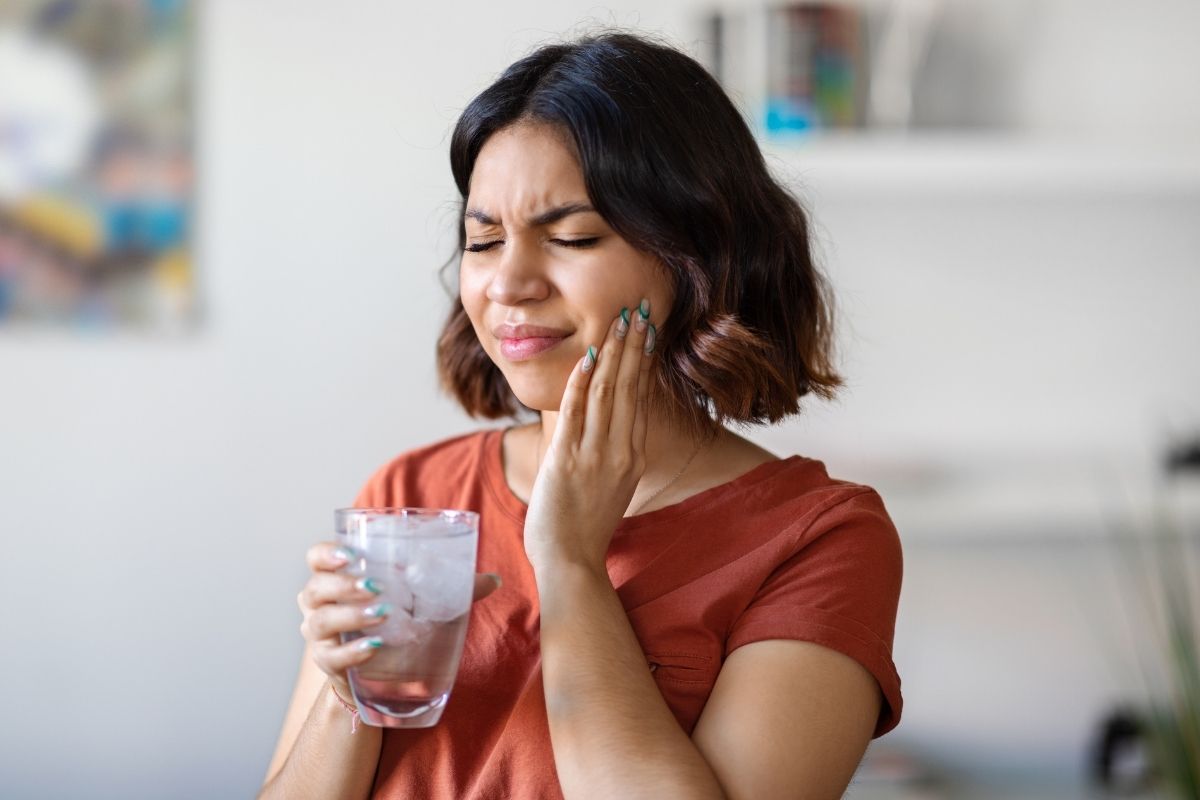
Do cold drinks make you wince? Does brushing sometimes feel like a tiny shock to your teeth? Tooth sensitivity is more common than you might think, and while it can be uncomfortable, small changes in your daily routine can make a noticeable difference. The key is understanding why it happens and adopting habits that protect your enamel and gums.
Why Teeth Become Sensitive
Sensitive teeth often occur when the enamel—the protective outer layer—wears down or when gums recede, exposing the underlying dentin. Certain foods, beverages, and brushing habits can make this worse. While temporary sensitivity is common, persistent discomfort may indicate the need to see a dental specialist to prevent more serious dental issues.
Habits That Can Ease Tooth Sensitivity
1. Switch to a Soft-Bristled Toothbrush
Hard-bristled brushes may feel efficient, but they can erode enamel and irritate gums over time. Opt for a soft-bristled toothbrush and use gentle circular motions instead of scrubbing back and forth. This simple change can quickly reduce discomfort.
2. Use Toothpaste for Sensitive Teeth
Specially formulated toothpaste helps block the pathways that lead to nerve endings in your teeth. Brushing twice daily may reduce sensitivity within a few weeks.
3. Mind Your Brushing Technique
Brushing too hard or using an abrasive toothpaste can worsen sensitivity. Aim for two minutes, twice a day, with light pressure. Hold the brush at a 45-degree angle to your gums to clean effectively without damaging enamel.
4. Rinse With Fluoride Mouthwash
Fluoride strengthens enamel, making teeth more resilient to temperature changes and acidic foods. Rinse daily after brushing to give your teeth an extra layer of protection.
5. Watch Your Diet
Highly acidic foods and drinks, such as citrus fruits, soda, and wine, can wear down enamel. Try to limit intake and rinse your mouth with water afterward to neutralize acids. Eating a balanced diet with plenty of calcium-rich foods also supports healthy teeth.
6. Avoid Teeth Grinding
Grinding or clenching teeth can wear down enamel and increase sensitivity. If you notice this habit, ask your dentist about a night guard to protect your teeth while you sleep.
7. Limit Extreme Temperatures
Switching quickly between hot and cold foods or drinks can trigger sensitivity. Allow beverages to cool slightly, or sip water between bites, to minimize discomfort.
Small Steps, Big Results
Consistency matters more than intensity. By incorporating these habits, many people experience a noticeable reduction in sensitivity within a few weeks. Pairing good oral hygiene with mindful habits helps keep your teeth strong and comfortable.
Ready to Protect Your Smile in Henderson, NV?
Sensitive teeth don’t have to control your life. Small, consistent habits can make a big difference—but professional guidance ensures lasting results. Visit our dental clinic in Henderson, NV, at Green Valley Smile Care and let our team help you enjoy a comfortable, confident smile. Schedule your appointment today and start reducing sensitivity fast!
FAQ:
Q: Can sensitive teeth be permanent?
A: In some cases, yes. If enamel erosion or gum recession is severe, professional treatment may be necessary. Early intervention usually prevents long-term issues.
Q: Will whitening toothpaste make sensitivity worse?
A: Whitening formulas can sometimes exacerbate sensitivity. Stick to toothpaste designed for sensitive teeth if you experience discomfort.
Q: Is mouthwash safe for sensitive teeth?
A: Alcohol-free, fluoride-based mouthwashes are safe and can help reduce sensitivity over time.
Q: Should I see a dentist even if the sensitivity is mild?
A: Yes. Even mild sensitivity can indicate underlying enamel or gum issues. Early evaluation prevents bigger problems down the road.