

Root Canal Therapy
Henderson, NV

Save Your Tooth With Root Canal Treatment
Root canal therapy not only relieves pain but also restores the function and appearance of a damaged tooth, ensuring your smile stays bright and beautiful for years to come. This procedure has become as routine and comfortable as getting a dental filling.
At Green Valley Smile, our top priority is patient comfort and care. We use advanced technology for root canals to assist patients in maintaining attractive and healthy smiles. Our trusted dental practitioner is here to take care of your oral health with their experience and expertise.
A Reliable Approach To Protect Your Smile
With a success rate of 100%, this treatment is still one of the most successful methods of safeguarding a severely damaged tooth that has been affected by oral disease or mishap. Unlike tooth extraction, root canal treatment is a common and highly recommended dental treatment. This procedure is carried out daily in the United States alone around 41,000 times regularly and almost 15 million times every year.
When You Require a Root Canal Therapy
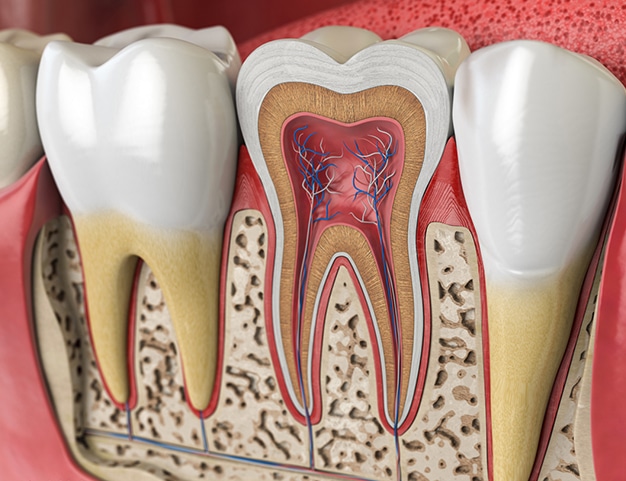
There is much more to your teeth than just the hard outer surfaces where you bite and roots. Each tooth has a chamber that contains connective tissues, nerve supplies, and blood arteries. These tissues, collectively called dental pulp, work together to support the development and growth of your tooth before it erupts in your mouth. After the tooth erupts, the dental pulp maintains your tooth health and also informs the potential issues.
Sensitivity to different stimuli like drinking or eating hot or cold items is a notification from the nerves inside your tooth that you are suffering from dental infection, decay, or damage that may occur due to a mishap. The damage and involvement of the nerve determine the amount of pain you witness.
Your tooth requires root canal treatment when the dental pulp is irreparably damaged or dead. You can avoid teeth extraction if there is sufficient tooth structure remaining and there is strong bone support around the affected tooth. The dental pulp is not required for completely grown functional teeth. To protect your natural teeth, our specialists performs root canal procedure.
Not all cases of tooth discomfort signify the requirement for root canal treatment. Here are indications that your teeth require this dental procedure:
-
Unresolved, persistent pain
Your body notifies you that there is something wrong through pain. Oral pain can be due to numerous reasons. One of the major causes of toothache is damage or decay that has impacted the internal tissues of your tooth. If you are suffering from tremendous tooth pain that disrupts your sleep, you are in need of root canal therapy.
-
Temperature sensitivity
If you are suffering from tremendous dental pain that is impacting the joy of having hot food and beverages, it is time to contact our dental office. Severe sensitivity to cold or hot drinks and food is an indication of irritated, inflamed or non-vital tooth pulp.
-
Discomfort with pressure or the slightest touch
Biting, chewing, or just touching your teeth can be very painful at times. It indicates the presence of oral infection, irreversible damage to the inner dental tissue, or pulpal involvement.
-
Darkened, discolored tooth
Discolored teeth indicate blood and nerve supply to the tooth, along with other integral tissues are damaged. When you face an oral mishap, your teeth become discolored due to the devitalization of internal dental tissue.
-
Chipped, cracked, or fractured tooth
Breaking and chipping a tooth can also stress the dental pulp. This can weaken the tooth to the extent that root canal therapy becomes important to preserve both.
-
Swelling around the tooth and gums
Swelling of gum tissues around a tooth can be an indication of infection. There are chances where the tooth abscess starts draining and leaking puss, even though the swelling may get larger with severe effects. In such a condition, immediate attention is a must.
-
Tooth mobility
A tooth that needs a root canal may have pathology that harms the supporting bone of a tooth, resulting in its movement. When the tissue heals, this frequently fixes the problem.
Benefits Of Early Intervention
The above-mentioned symptoms may indicate different dental problems; they all require immediate evaluation and care. There are chances where the tooth requires root canal therapy but does not demonstrate any obvious symptoms. After a thorough evaluation, it can be diagnosed and brought to your attention. Using radiographic evidence of periapical disease (root end pathology) or other forms of structural downfall is observed in these teeth.
When a root canal is recommended, it is crucial that you avail of treatment at the earliest. Postponing the treatment increases the possibility of facing more severe consequences to your dental health and even poses a threat to your overall well-being.
Steps Involved in Root Canal
With advanced dental instruments and techniques, nonsurgical oral procedures are as comfortable as routine tooth filing.
Certain root canal treatments can be completed in just a visit to a dentist, whereas others might require two or three visits. The time required for the process depends on factors like the number of canals in a tooth, its structure, and the absence or presence of an active infection.
During the surgery, our dentists will clean the internal part of your tooth. They also remove the infected dental pulp and fill the created canals with a biocompatible substance. Along with local anesthesia, other options for dental sedation are generally used during this process. It reduces the anxiety of the patients and offers a comfortable environment during the procedure.
Post Procedure Care for a Smooth Recovery
At our Henderson, NV dental clinic, our top priority is your comfort and care. For a quick recovery, the essential aftercare procedures are as follows:
-
Instant Care
Prevent eating or drinking for the first 30 minutes after the procedure. This allows the temporary filling to settle and harden appropriately. Avoid sensing the treated tooth and the nearing areas with your tongue, as this can disturb the setting. It is important to give the treated area time to settle for a smooth recovery. -
Inflammation Control
To manage swelling, you can apply a cold compress on the outer surface of your face near the treatment area. Using the compress for 20 minutes at a stretch or with a break multiple times for the next 6-8 hours will reduce the swelling. Avoid direct application of ice on your skin. Instead, use a towel or cloth to do so for comfortable recovery. -
Eating and Drinking Habits
When you resume drinking and eating, it is important to be cautious around the treated spots. Until we place the permanent restoration, avoid biting or chewing on that side. The crown or temporary filling that protects your treated tooth is vulnerable to fracturing. Skipping hard food like nuts, candy, and cookies will prevent it from damaging. Before we perform the final restoration, increased sensitivity is common in the processed area. -
Dental Hygiene
Proper oral hygiene is a must for quick and trouble-free recovery. To prevent infection and maintain cleanliness, gently floss and brush the treated area. If you notice the crown has fallen out during the process, feel free to contact us as soon as possible. -
Follow-up Care
It is common to feel discomfort for two to three days or even up to a few weeks. For quick recovery, schedule an appointment with us to get your permanent crown. This will reduce the risk of infection in the treated area and maintain cleanliness.
Following these tips will aid you in smooth healing. If you have any symptoms or concerns regarding root canal therapy, contact us or visit our dental clinic. We are here to ensure your optimum oral health.