

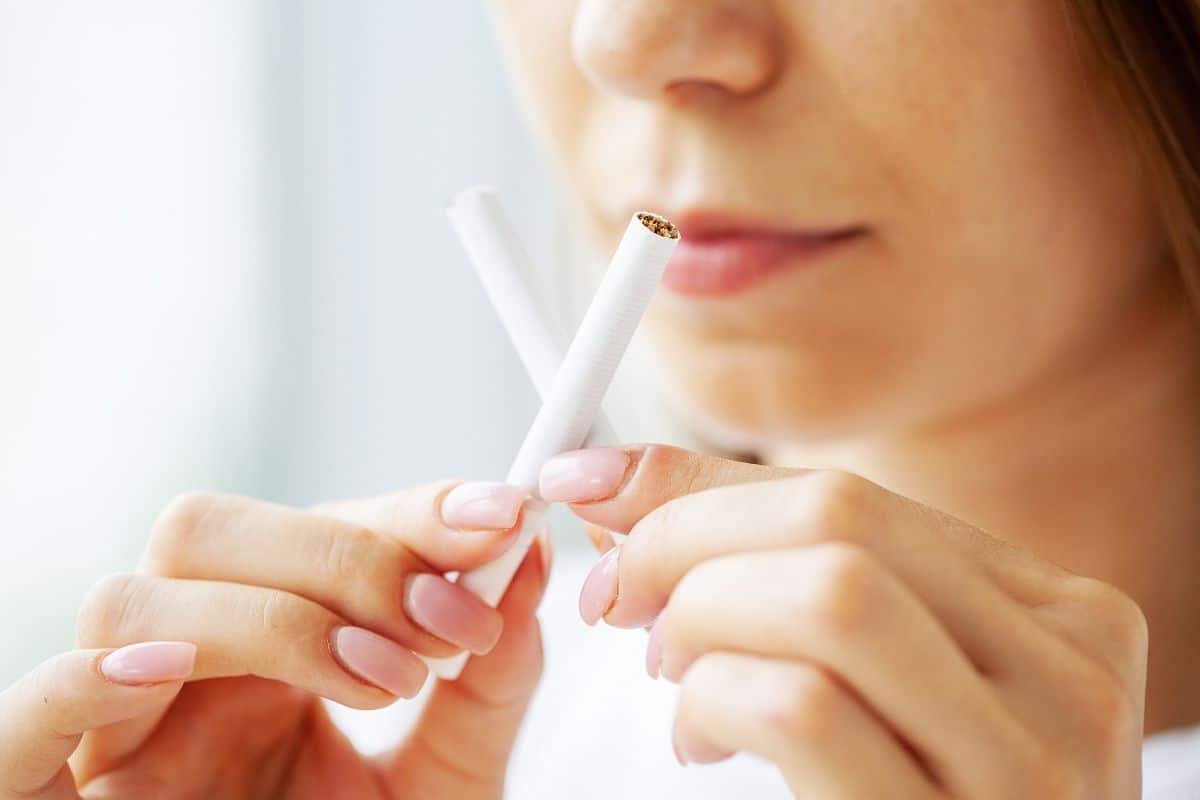
You should avoid smoking for at least 2 weeks after dental implant surgery, but waiting 8 weeks or longer is a safer approach when your implant surgeon recommends it. Ideally, stop smoking before the procedure and continue avoiding tobacco throughout the initial healing period. Smoking can restrict blood flow, slow tissue repair, increase infection risk, and interfere with the process that allows the implant to bond with your jawbone.
Why Should You Avoid Smoking After Dental Implant Surgery?
A dental implant needs time to heal and integrate with your jawbone. This process, called osseointegration, creates a stable foundation for your replacement tooth.
Smoking introduces nicotine, carbon monoxide, and other harmful chemicals into your body. These substances can interfere with normal healing.
Here is how smoking can affect recovery:
1. It Reduces Blood Flow to the Surgical Area
Nicotine narrows blood vessels and reduces circulation. Your healing gums need a steady blood supply to receive oxygen and nutrients.
Reduced blood flow can delay wound healing and tissue repair.
2. It Increases the Risk of Implant Failure
Your implant must bond securely with the surrounding bone. Smoking can interfere with this process and increase the likelihood that the implant will not integrate properly.
A 2024 systematic review and meta-analysis found that smokers had a significantly higher risk of early implant failure than nonsmokers.
3. It Increases the Risk of Infection
Smoking can affect your body’s immune response and make it harder to fight bacteria around the surgical site.
This may increase the risk of postoperative infection and peri-implantitis, an inflammatory condition that damages the tissues supporting an implant.
4. It Can Delay Gum Healing
The gums around your implant need to close and heal properly after surgery. Smoking can slow this process and increase the risk of complications such as inflammation, discomfort, and wound breakdown.
How Long Should You Wait Before Smoking After Implant Surgery?
The recommended waiting period depends on your healing progress, the number of implants placed, and whether you had additional procedures such as bone grafting.
Consider these general recovery stages:
- First 72 hours: Avoid smoking completely. The surgical site needs to form and protect its initial blood clot.
- First 2 weeks: Continue avoiding cigarettes while the gum tissue begins to heal.
- Weeks 3 to 8: Avoid smoking during this important period of early bone healing and implant integration.
- After 8 weeks: Do not automatically assume smoking is safe. Ask your implant dentist to assess your healing and provide clearance.
Waiting longer reduces exposure to smoking-related healing risks. Ideally, avoid tobacco throughout the entire implant healing process.
Can You Smoke Just One Cigarette After Implant Surgery?
No. Even one cigarette exposes your healing tissues to nicotine and other harmful substances.
Smoking can also involve suction and heat around the surgical area. These factors may irritate the wound, particularly during the early recovery period.
One cigarette is not worth risking your implant healing. Avoid smoking rather than trying to limit the number of cigarettes during recovery.
Can You Vape or Use Nicotine Products After Implant Surgery?
Vaping is not a safe substitute during implant recovery. Many vaping products contain nicotine, which can affect blood circulation and tissue healing.
Other products also deserve caution:
- E-cigarettes: Nicotine and other chemicals may affect healing.
- Nicotine patches: These deliver nicotine without smoke, but nicotine exposure remains a concern.
- Nicotine gum: Nicotine can affect healing, and chewing may irritate the surgical area.
- Chewing tobacco: Direct contact with tobacco can irritate oral tissues and introduce harmful substances.
Discuss nicotine replacement options with your healthcare provider and implant dentist before using them.
What Happens If You Smoke Too Soon After Implant Surgery?
Smoking too early does not guarantee implant failure, but it increases the risk of complications.
Watch for symptoms such as:
- Increasing pain after initial improvement
- Persistent swelling or redness
- Pus or unusual discharge
- Bleeding that does not stop
- A loose feeling around the implant
- Fever or worsening discomfort
Contact your implant dentist promptly if you notice these symptoms. Facial swelling with difficulty swallowing or breathing requires emergency medical attention.
How Can You Support Dental Implant Healing?
Avoiding tobacco is one of the most important steps, but your everyday habits also influence recovery.
Follow these precautions:
- Keep the surgical area clean: Follow your dentist’s brushing and rinsing instructions.
- Choose soft foods: Eat foods that do not put pressure on the implant site.
- Stay hydrated: Drink enough water to support normal recovery.
- Avoid alcohol initially: Follow your dentist’s instructions about when you can resume drinking.
- Attend follow-up appointments: Your dentist needs to monitor gum healing and implant stability.
- Take prescribed medications: Follow the recommended dosage and schedule.
Avoid vigorous rinsing, spitting, and strenuous activity during the initial recovery period if your dentist advises against them.
Protect Your Investment in a Healthy Smile
Dental implants require time, care, and proper healing. Avoiding smoking during recovery gives your gums and jawbone a better opportunity to heal and helps reduce the risk of complications.
If you are planning implant treatment or have concerns about recovery, visit our dental clinic in Henderson for professional guidance. Green Valley Smile Care can help you understand the healing process, discuss your smoking habits, and plan appropriate care for your dental implants.