

If you live in Winchester and struggle with frequent headaches, you may have tried everything — pain relievers, hydration, sleep changes — without lasting relief. What many people never consider is that their jaw could be the real source of pain. Your chronic headaches might actually be a jaw problem Winchester residents commonly overlook. At Green Valley Smile Care, Dr. Brian Sanford helps patients connect the dots between jaw tension and chronic head pain.
What Is TMJ and Why Does It Cause Headaches in Winchester?
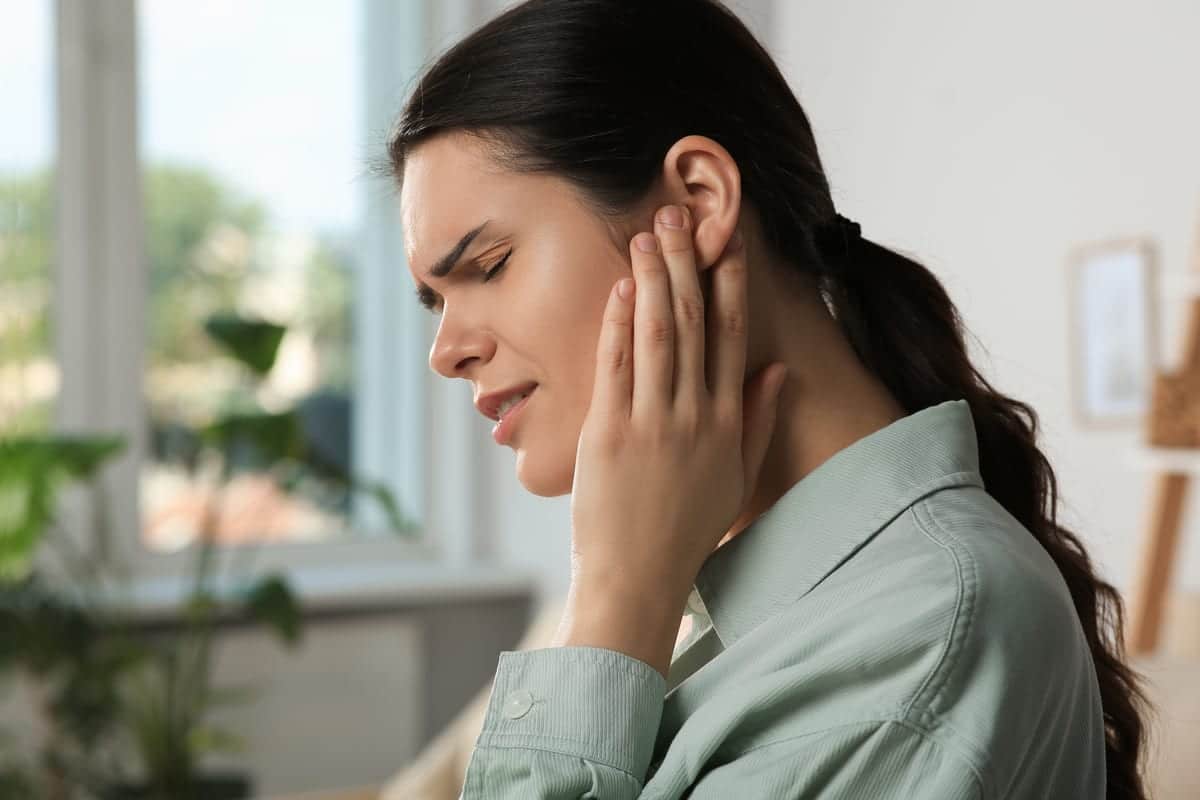
The temporomandibular joint — known as the TMJ — connects your lower jaw to your skull. It controls chewing, speaking, and even yawning. When this joint becomes strained or misaligned, it can trigger radiating pain that travels into your head, neck, and face. Many Winchester residents are surprised to learn their headaches start in this small but powerful joint.
TMJ disorders — often called TMD — affect millions of Americans every year. The jaw muscles work constantly, and when they are overworked or imbalanced, tension builds quickly. That tension has to go somewhere, and it often travels directly upward into the temples and forehead. This is why TMJ headaches closely mimic tension headaches or even migraines.
Common causes of TMJ disorders include:
- Teeth grinding or clenching, especially at night
- Bite misalignment that strains the jaw joint
- Stress-related jaw tension throughout the day
- Injuries to the jaw or surrounding muscles
- Arthritis affecting the temporomandibular joint
Signs Your Chronic Headaches Might Actually Be a Jaw Problem
Not every headache comes from the jaw, but certain patterns suggest a dental or jaw-related cause. Paying attention to when and where your headaches occur can reveal important clues. If you notice any of the following signs, your jaw may be the source of your pain.
Watch for these warning signals:
- Headaches that appear most often in the morning after waking up
- Pain concentrated around the temples or behind the eyes
- A sore, tired jaw when you wake up or after meals
- Clicking, popping, or locking sensations in your jaw
- Ear pain or ringing without an obvious ear infection
- Neck and shoulder stiffness accompanying your headaches
Morning headaches are especially telling. They often indicate nighttime teeth grinding, called bruxism. Your jaw works hard all night without you realizing it. By morning, those overworked muscles are screaming for relief.
How a Dentist Can Diagnose and Treat Jaw-Related Headaches
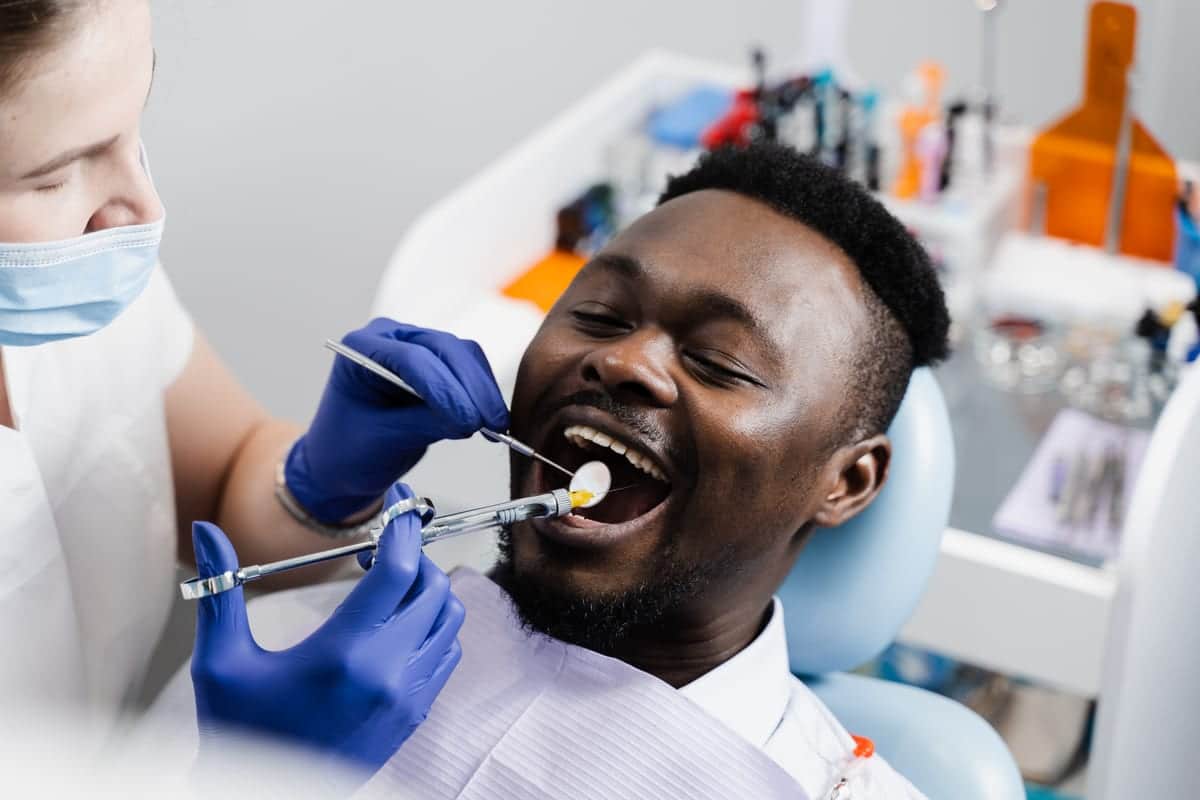
Many headache sufferers visit neurologists or primary care doctors first. That makes sense — headaches feel like a medical issue. However, if no clear cause is found, a dental evaluation should be your next step. Dr. Brian Sanford assesses your bite, jaw movement, and muscle tension to identify TMJ involvement.
At Green Valley Smile Care, diagnosis starts with a thorough clinical exam. Dr. Sanford checks how your teeth come together and how your jaw moves. He looks for signs of grinding on the tooth surfaces and evaluates joint function carefully. This comprehensive approach ensures no underlying jaw issue goes undetected.
Treatment options for TMJ-related headaches often include:
- Night guards — custom-fitted oral appliances that prevent grinding while you sleep
- Sports mouthguards — protective devices that also reduce jaw impact during physical activity
- Bite adjustments — minor corrections that help your jaw rest in a more natural position
- Muscle relaxation techniques — guidance on reducing jaw tension during daily activities
- Dental restorations — correcting damaged or worn teeth that contribute to bite problems
Night guards are one of the most effective first-line treatments. They create a cushion between your upper and lower teeth. This reduces the force of grinding and allows your jaw muscles to relax overnight. Many patients report significant headache reduction within the first few weeks of wearing one.
The Connection Between Dental Health and Whole-Body Wellness
Your mouth is not isolated from the rest of your body. Dental problems ripple outward and affect your overall health in surprising ways. Jaw dysfunction is one of the clearest examples of this connection. Treating it properly can dramatically improve your quality of life.
Patients who address TMJ issues often notice improvements beyond headache relief. Sleep quality improves when grinding stops. Neck and shoulder tension often decreases significantly. Many patients also feel less daily stress once the constant jaw tension is gone. These benefits make TMJ treatment a powerful investment in your whole-body wellness.
General dental care plays a key role in preventing TMJ problems. Keeping your teeth healthy ensures your bite stays balanced. Missing or damaged teeth can shift your bite over time and create uneven jaw pressure. Services like Restorative Dentistry can correct these issues before they escalate into chronic pain.
For those interested in improving the appearance and function of their smile, Cosmetic Dentistry options can also address bite alignment concerns. A properly aligned bite reduces strain on the TMJ over the long term. Investing in your smile is also investing in your comfort and health.
When to Visit Green Valley Smile Care for Headache Relief
You do not have to keep suffering through headaches without answers. If your headaches are frequent, persistent, or tied to jaw symptoms, it is time to seek a dental evaluation. Early intervention gives you the best chance at lasting relief. Waiting can allow jaw dysfunction to worsen and cause additional dental damage.
Dr. Brian Sanford and the team at Green Valley Smile Care serve patients throughout the Henderson and Winchester communities. We take a patient-first approach to every evaluation. Our goal is to educate you about what is happening in your body and empower you to make informed decisions about your care. You deserve to understand the source of your pain — not just mask it.
Do not let chronic headaches control your life any longer. Relief may be closer than you think, and it may start right here at your dental office. Book Now to schedule your appointment with our team.
Frequently Asked Questions
Can a dentist really help with my chronic headaches?
Yes, absolutely. When headaches stem from jaw tension, teeth grinding, or bite misalignment, a dentist is often the most effective provider to help. Dr. Brian Sanford evaluates your jaw function and bite to determine whether TMJ dysfunction is contributing to your pain. Many patients experience significant headache relief after dental treatment.
How do I know if my headaches are caused by my jaw?
Common signs include morning headaches, temple or eye pain, jaw soreness upon waking, clicking or popping in the jaw, and ear discomfort. If your headaches follow these patterns, a dental TMJ evaluation is a smart next step. Dr. Sanford can conduct a thorough exam to help identify the cause.
What does a night guard do for headaches?
A night guard is a custom oral appliance worn during sleep. It creates a protective barrier between your upper and lower teeth, preventing grinding and clenching. This allows your jaw muscles to relax fully overnight. Many patients notice fewer and less severe headaches within weeks of consistent use.
Is TMJ treatment painful or invasive?
Most initial TMJ treatments are non-invasive and comfortable. Night guards, bite adjustments, and muscle relaxation techniques are gentle approaches that most patients tolerate easily. Dr. Sanford always starts with the least invasive options first and explains every step before proceeding. Your comfort is a top priority throughout your care.
How long does it take to feel relief from TMJ-related headaches?
Relief timelines vary depending on the severity of your jaw dysfunction. Some patients notice improvement within a few weeks of starting treatment. Others may take a couple of months to experience full relief. Consistent use of prescribed appliances and follow-up visits with Dr. Sanford help ensure the best possible outcome.