


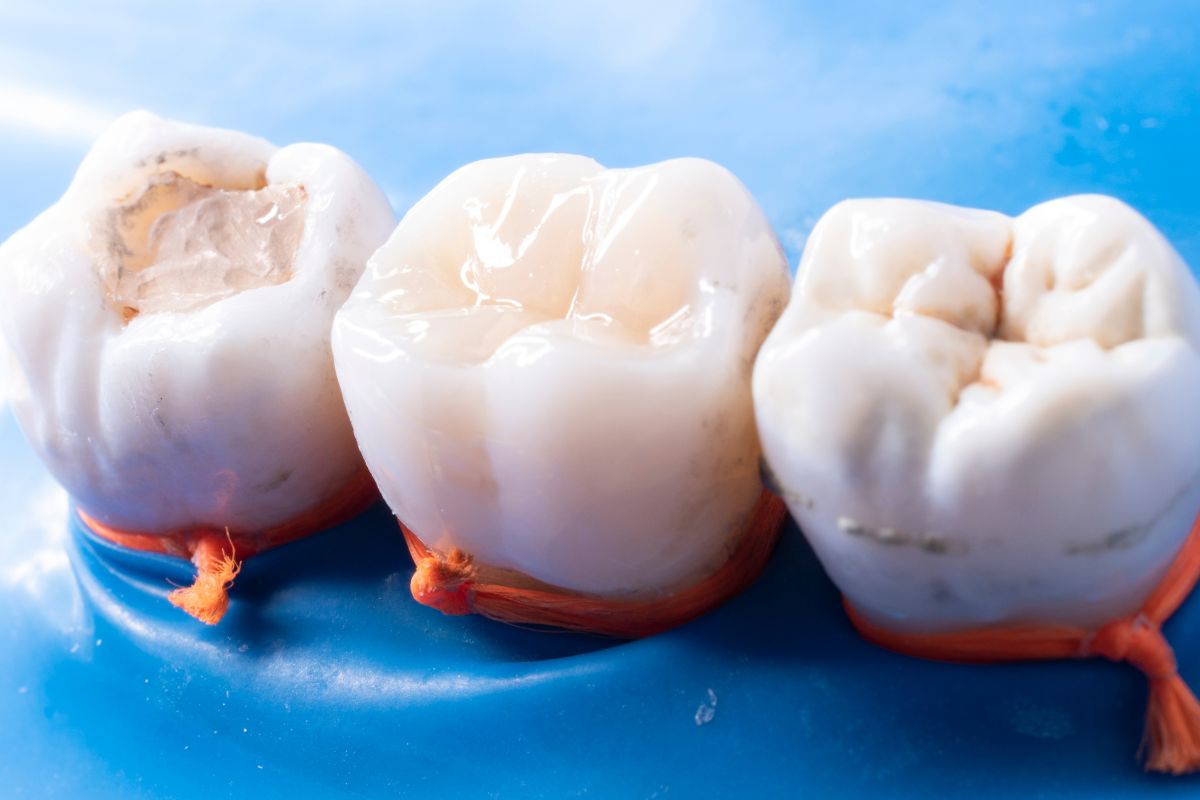
Dental fillings are common in restorative dentistry, helping to repair teeth that have been damaged by decay or other dental issues. Over time, they can wear out, and many people wonder whether they can be removed and replaced. This blog will provide detailed answers to this question and explain when and why it may be necessary to replace a dental filling.
What Are Dental Fillings?
Dental fillings are materials used to restore teeth after the removal of decay or damaged portions of the tooth. Dentists use various materials for fillings, including composite resin, amalgam (silver type), gold, and ceramic. Each material has different characteristics and benefits, but they all serve the same purpose: to restore the structure and function of a tooth.
Why Do Dental Fillings Need to Be Replaced?
They are durable, but they are not meant to last a lifetime. Over time, factors such as chewing, grinding, and exposure to different temperatures can cause fillings to wear down or even crack. Here are some common reasons why fillings may need to be replaced:
- Wear and Tear: Dental fillings can deteriorate due to regular wear. Over time, they can become loose or fall out.
- Cracks or Breaks: Chewing hard foods, teeth grinding, or trauma can cause fillings to crack. This can expose the tooth to bacteria and lead to further decay.
- Decay Under the Filling: Even with good oral hygiene, decay can form under or around an existing filling. This may require removal and replacement of the filling to prevent further damage.
- Allergic Reactions or Sensitivity: Some people may experience reactions or sensitivity to certain materials used in fillings, like amalgam. In such cases, replacing the filling with a different material can be necessary.
- Aesthetic Reasons: Some individuals choose to replace old amalgam (silver) with composite (tooth-colored) one for cosmetic reasons.
How Are Dental Fillings Removed?
Removing a filling is a common dental procedure. Dentists use specialized tools and techniques to ensure the process is safe and effective. Here’s what the process typically involves:
- Assessment: The first step is to assess the condition of the filling and the tooth. This may involve X-rays or other diagnostic tools to determine if the filling needs to be replaced.
- Anesthesia: The area around the tooth may be numbed to ensure a painless experience. This is especially necessary if the decay or damaged tooth material needs to be removed.
- Removal of the Filling: The dentist will use a drill or laser to carefully remove the old filling. They take care to preserve as much of the healthy tooth as possible.
- Cleaning the Tooth: After the filling is removed, the area will be cleaned thoroughly to ensure no decay or debris remains.
- Placing the New Filling: Once the tooth is cleaned, the new filling is placed. If you’re switching to a different material, such as from amalgam to composite, the dental professional will ensure the new filling fits securely and blends in with your natural teeth.
Are There Any Risks Involved in Removing Fillings?
While removing and replacing fillings is generally a safe procedure, there are some risks to consider. These include:
- Damage to the Tooth: If the filling is large, the tooth may become weaker after the filling is removed. In such cases, it might be recommended to apply a crown to provide additional support.
- Sensitivity: Some patients experience temporary sensitivity after a filling is replaced. This is common and usually subsides after a few days.
- Infection Risk: If the area isn’t properly cleaned or if decay is left behind, there’s a risk of infection. However, this is rare when done by qualified dentists.
- Allergic Reactions: If you have an allergy to certain dental materials, you should inform your dentists. This will help prevent any allergic reactions when the new filling is placed.
When Should You Consider Replacing Your Filling?
It’s important to visit for regular dental checkups to ensure your fillings are in good condition. However, there are some signs that may indicate your filling needs to be replaced sooner rather than later. These include:
- Tooth Sensitivity: If you notice increased sensitivity to hot, cold, or sweet foods, it may be a sign that your filling is wearing out or that decay has formed under the filling.
- Pain When Chewing: Pain or discomfort when chewing could indicate that the filling is loose or that there’s damage to the underlying tooth structure.
- Visible Damage: If you can see cracks, chips, or wear in your filling, it’s time to have it replaced. Ignoring visible damage can lead to more serious issues like infection or tooth loss.
- Bad Taste in Your Mouth: A metallic taste or an unpleasant taste could indicate that the filling is breaking down and needs replacement.
Conclusion
Dental fillings can be removed and replaced when necessary, whether due to wear, damage, or aesthetic preferences. If you notice signs that your filling is creating, such as pain or sensitivity, consult your local dentist promptly. With proper care, a new filling can help restore your tooth and protect it for years to come. Regular dental visits and good oral hygiene will ensure your fillings last as long as possible.