


Dental fillings are a common procedure to restore teeth damaged by decay, cracks, or other issues. While the treatment is routine, many patients often wonder how long they should wait before eating after getting a filling. This question is essential for ensuring the filling sets properly and to avoid discomfort or complications.
Dental Filling Process
Before diving into the eating guidelines, it’s helpful to understand what happens during a dental filling. The process begins with the dentist removing the decayed portion of the tooth. Once the decay is cleared, the space is filled with a material that restores the tooth’s shape and functionality. The type of material used can affect how soon you can eat afterward.
Types of Filling Materials
1. Composite Resin Fillings: These are tooth-colored fillings that blend well with your natural teeth. Composite resin fillings are popular due to their aesthetic appeal, but they do take some time to set fully.
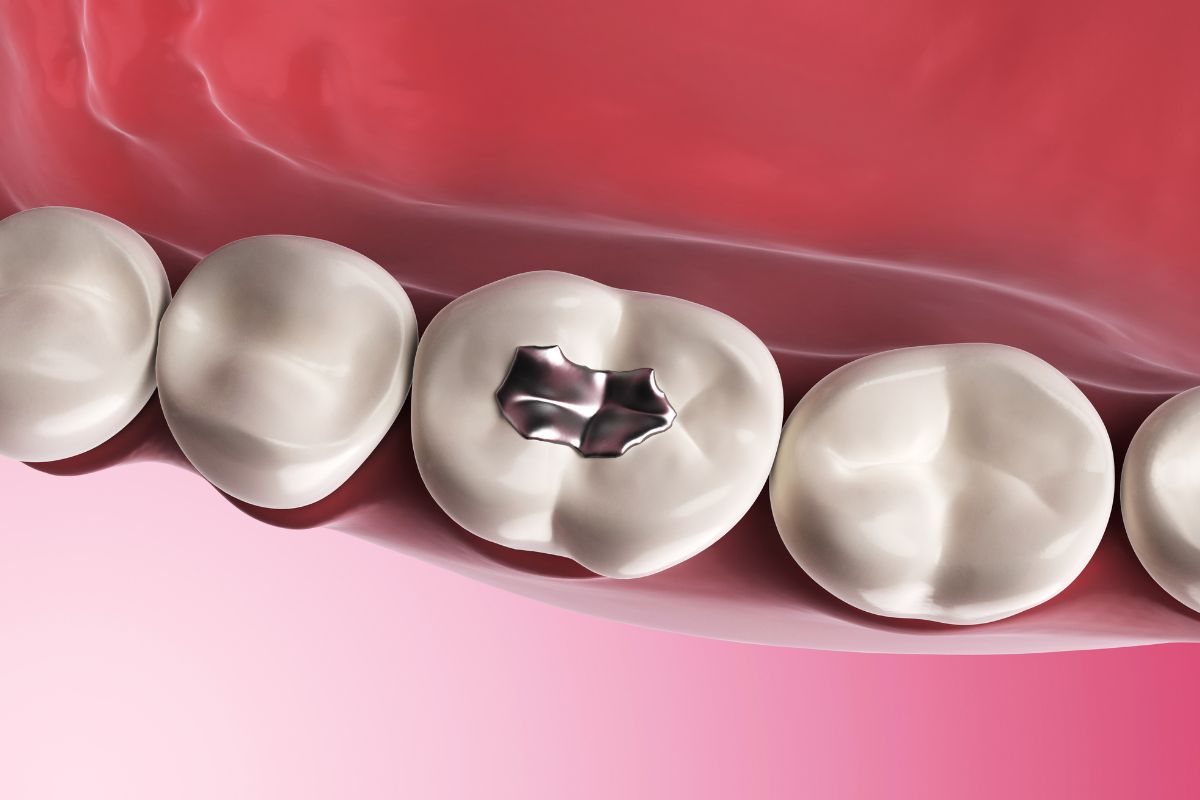
2. Amalgam Fillings: Made from a mixture of metals, including silver, mercury, and other elements, amalgam fillings are durable and have been used for decades. They set quickly but still require some caution before eating.
3. Ceramic Fillings: These are strong and stain-resistant, making them a great option for visible teeth. Ceramic fillings may need more time to set than other types.
4. Gold Fillings: Although not as common, gold fillings are durable and can last many years. However, they are usually more expensive and may require a longer wait time before eating.
Eating After Different Types of Fillings
The waiting period before you can eat after a dental filling depends largely on the material used. Here’s a breakdown of what to expect:
- Composite Resin Fillings
Composite fillings harden almost immediately after the procedure. Thanks to a special curing light used by the dentists. However, it is advisable to wait at least two hours before eating. This gives the filling time to settle into your tooth and minimizes the risk of disrupting the bonding process.
- Amalgam Fillings
In the amalgam fillings, the setting process is a bit slower. You should ideally wait 24 hours before eating hard or chewy foods. While you can eat soft foods a few hours after the procedure but it is good to avoid anything that requires significant pressure to chew.
- Ceramic Fillings
Ceramic fillings are often used for inlays and onlays. They are strong but can take a while to bond fully with your tooth. Dentists generally recommend waiting at least 24 hours before eating anything hard or sticky. Soft foods are safe to eat a few hours after the procedure.
- Gold Fillings
Gold fillings require the most caution. It’s best to wait a full 24 hours before eating anything solid. This extended waiting time ensures the gold has fully set and won’t shift under the pressure of chewing.
General Tips for Eating After a Filling
After receiving a dental filling, it’s essential to take some precautions to ensure the filling sets properly and your recovery is smooth. One key tip is to avoid chewing on the side of your mouth where the filling was placed. This precaution is particularly important during the first 24 hours, as it reduces the risk of dislodging or damaging the new filling. Opting for soft foods like yogurt, mashed potatoes, and soups can make eating more comfortable and minimize pressure on the treated tooth. Additionally, you may want to avoid foods and drinks that are either too hot or too cold, as sensitivity to temperature is common following a filling. Sticking to room-temperature items for a day or two can help you avoid discomfort. It’s also wise to steer clear of sticky or hard foods such as caramel, nuts, or hard candies, as these can potentially pull on the filling and dislodge it. While it’s crucial to maintain good oral hygiene, be gentle when brushing and flossing around the filled tooth to prevent disturbing the area.
Recognizing When There’s a Problem
While most dental fillings settle without issues, it’s important to be aware of signs that something might be wrong. For instance, it’s normal to experience some sensitivity after a filling, but if you notice sharp pain or discomfort that lasts beyond a few days, it could indicate a problem with the filling. In such cases, it’s advisable to contact your dentist for an evaluation. Similarly, if you find that your bite feels uneven or you have difficulty chewing, the filling might be too high, which can be easily adjusted by your dentist for a comfortable fit. On rare occasions, fillings can crack or chip, especially if they are exposed to hard or sticky foods too soon after the procedure. If you notice any damage, it’s essential to schedule a visit with your dentist promptly to have the filling repaired or replaced, ensuring the continued health and function of your tooth.
Conclusion
Understanding how long to wait before eating after a dental filling is key to ensuring the longevity and effectiveness of the treatment. The type of filling material used will largely determine the appropriate waiting period, but following general guidelines like avoiding hard and sticky foods, chewing on the opposite side, and maintaining good oral hygiene will help protect your new filling.
At Green Valley Smile Care in Henderson, NV, we prioritize your dental health and comfort. If you’ve recently had dental fillings Henderson or are experiencing issues with a previous one, don’t hesitate to contact us. Whether it’s for routine care or to address a specific concern, our friendly staff is ready to help you achieve optimal oral health.